
Last updated September 23, 2026
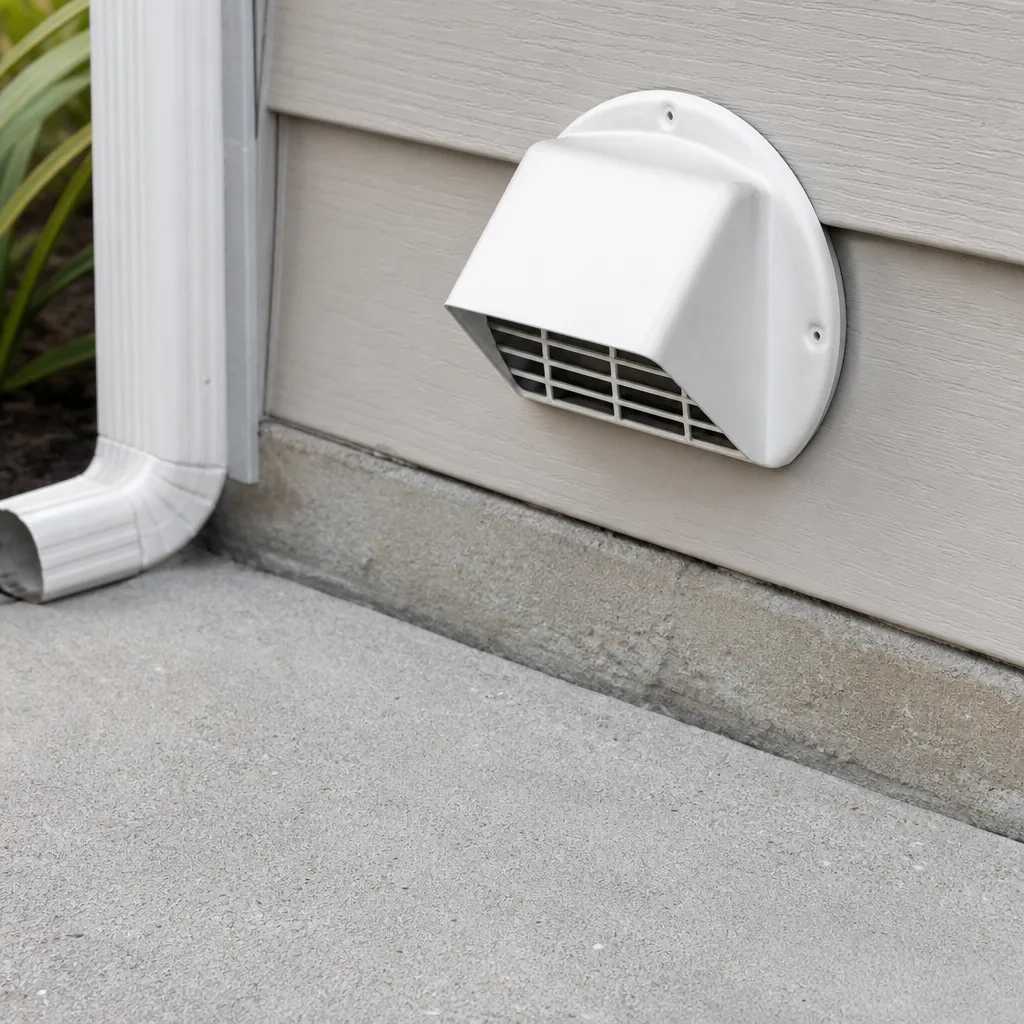
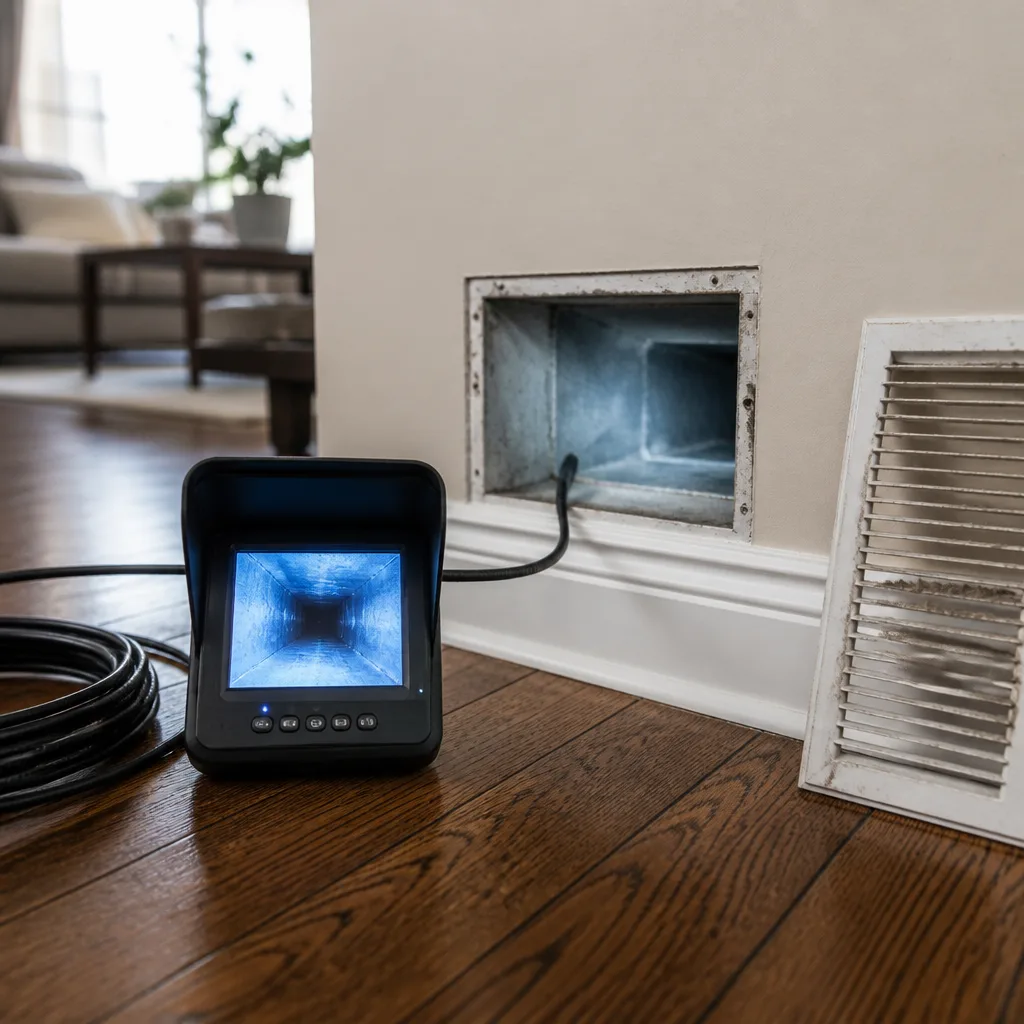
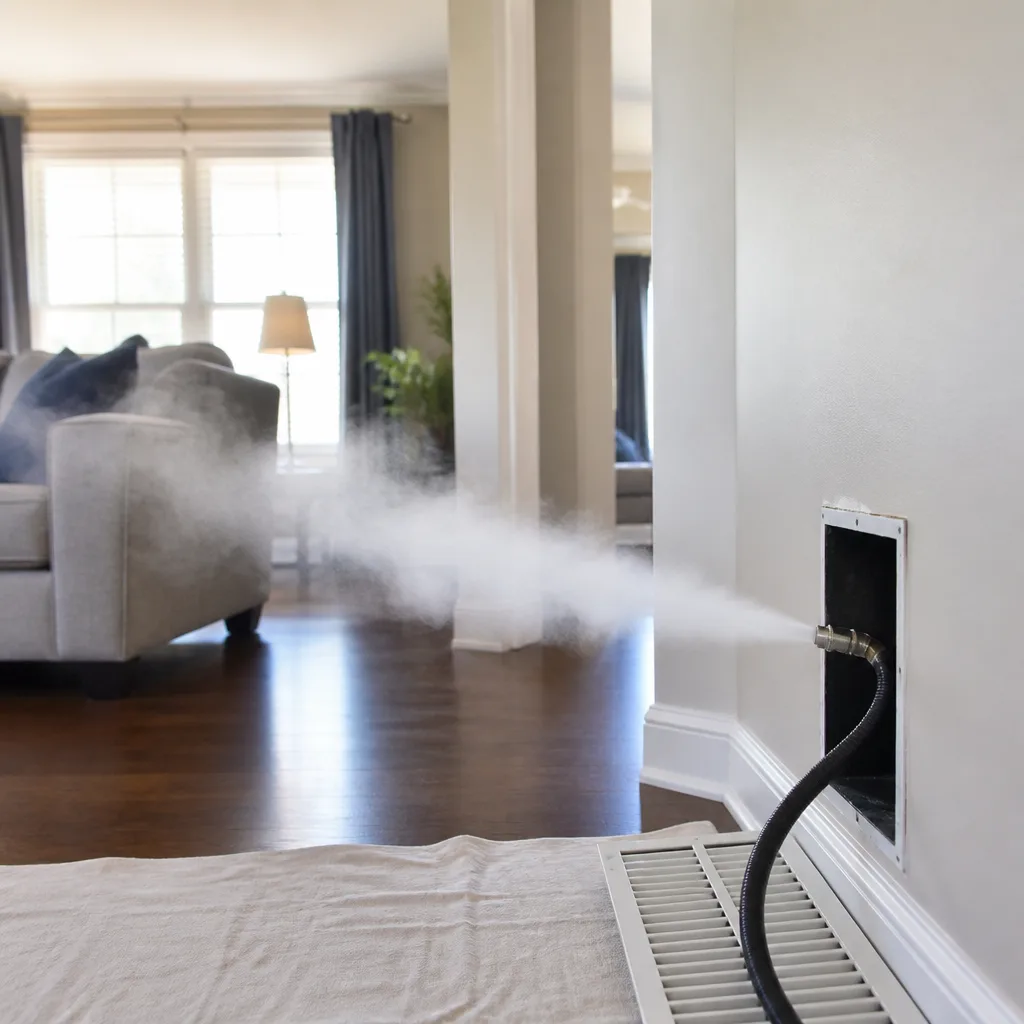
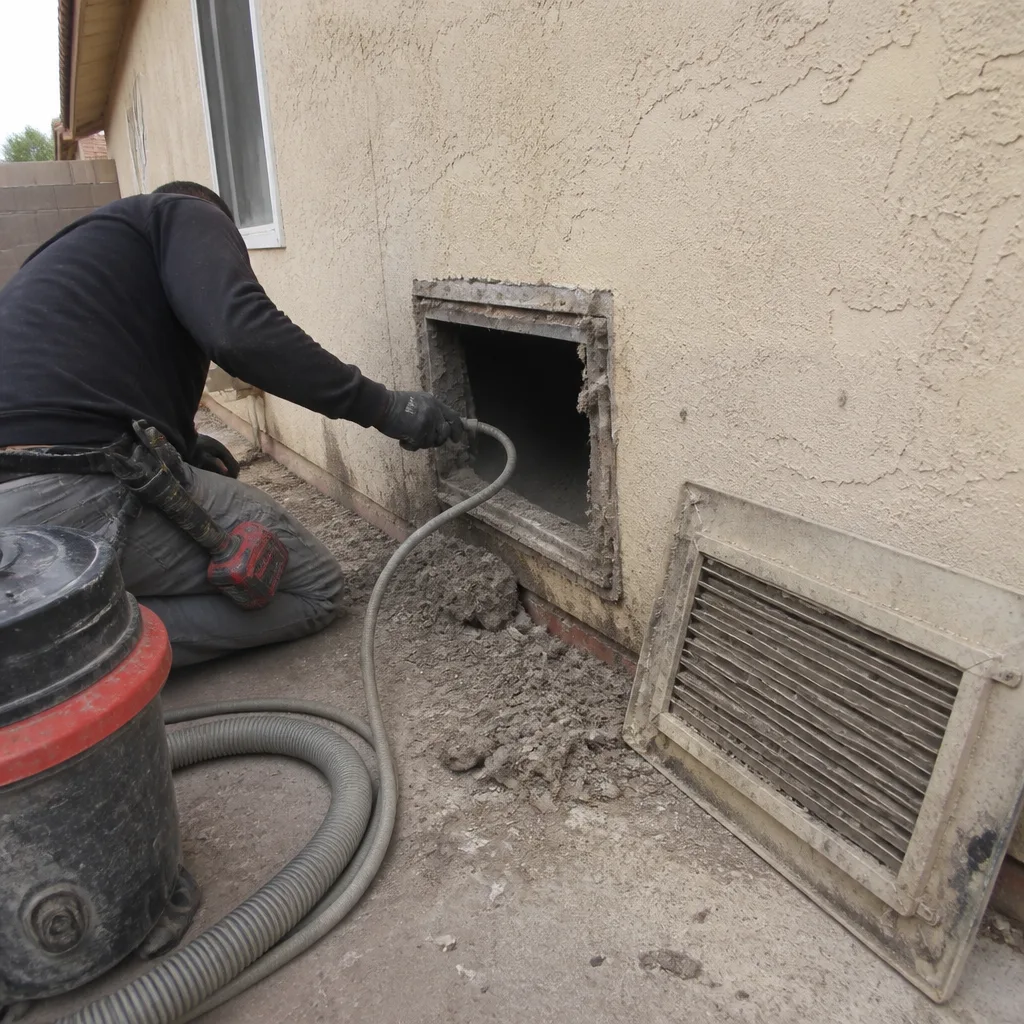
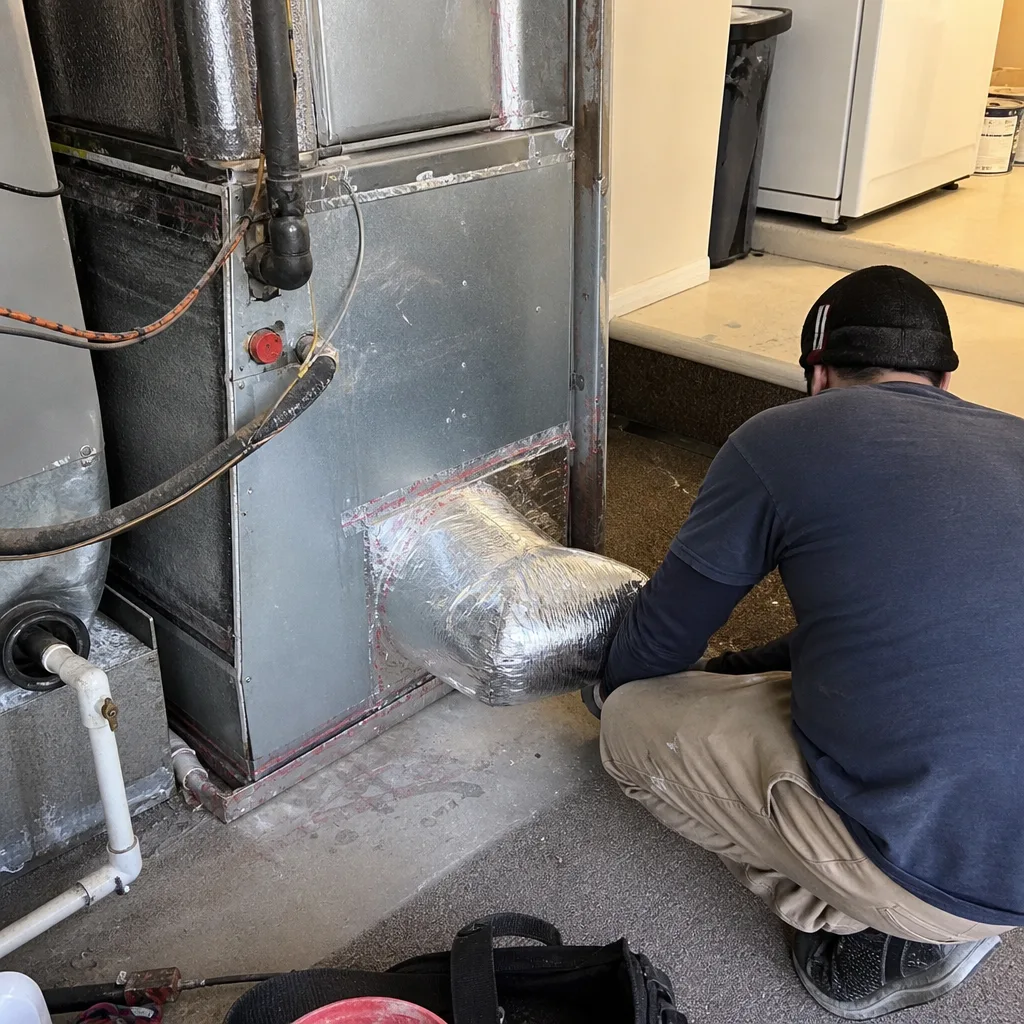
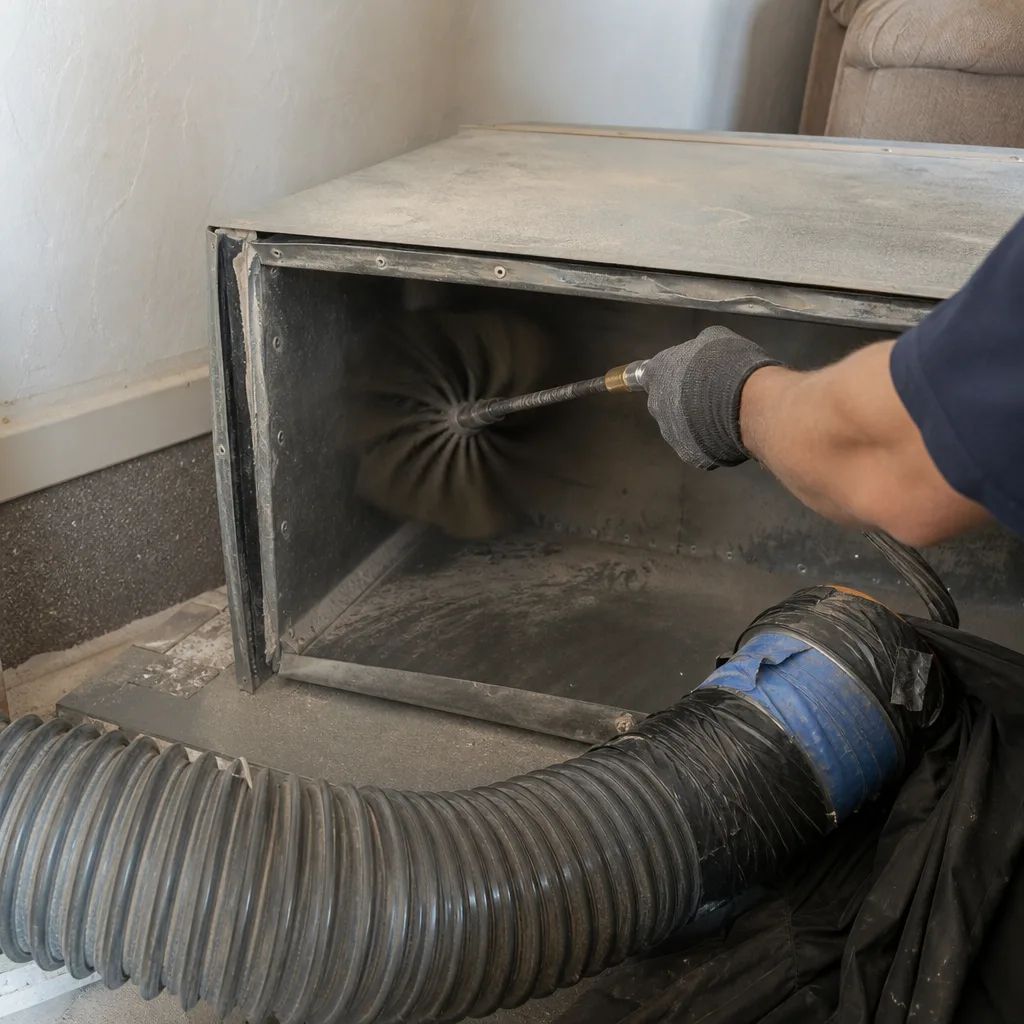
Whole-system duct and dryer vent check with before-and-after photos - you see exactly what came out of your vents
That "$99 whole-house special" is a bait ad - the real number appears once they are in your hallway, or the "clean" is a shop-vac at the register. We photograph the inside of your ducts before and after instead.

 Before
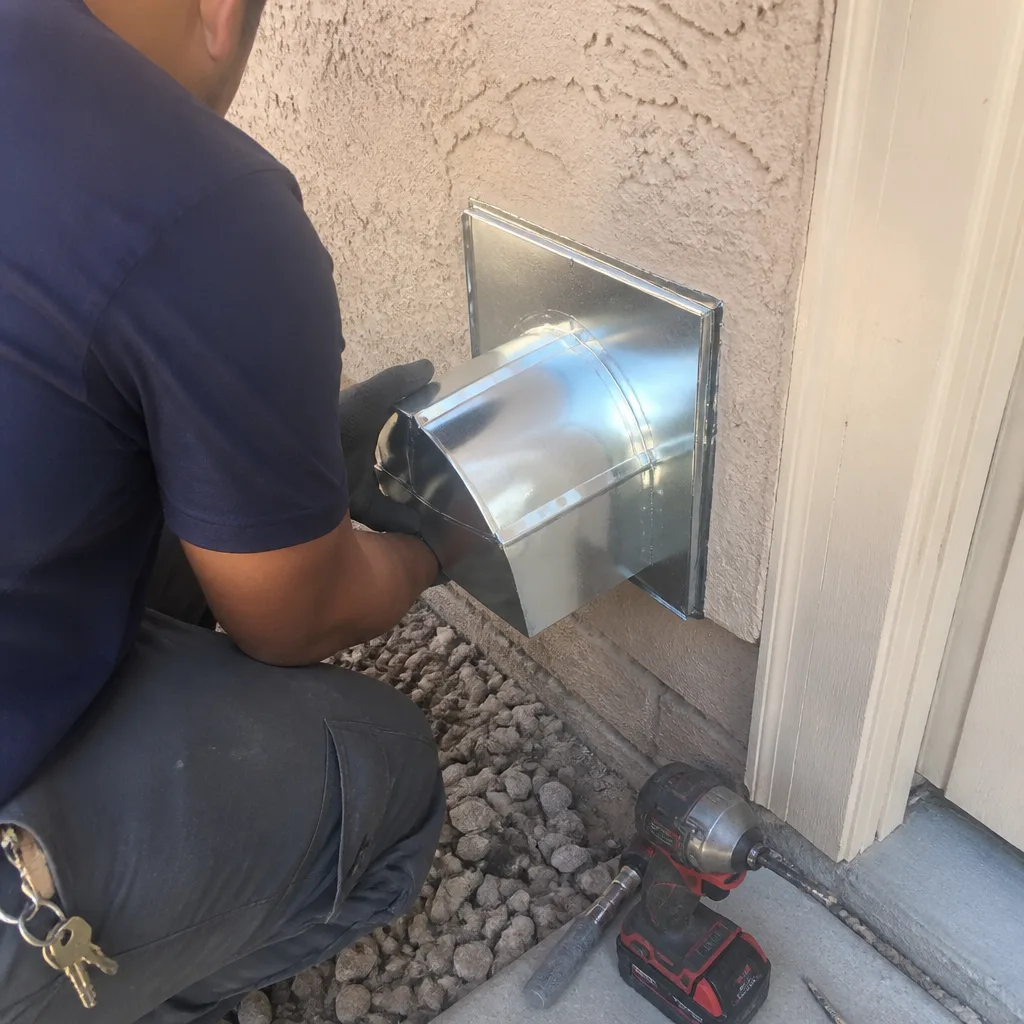 After
After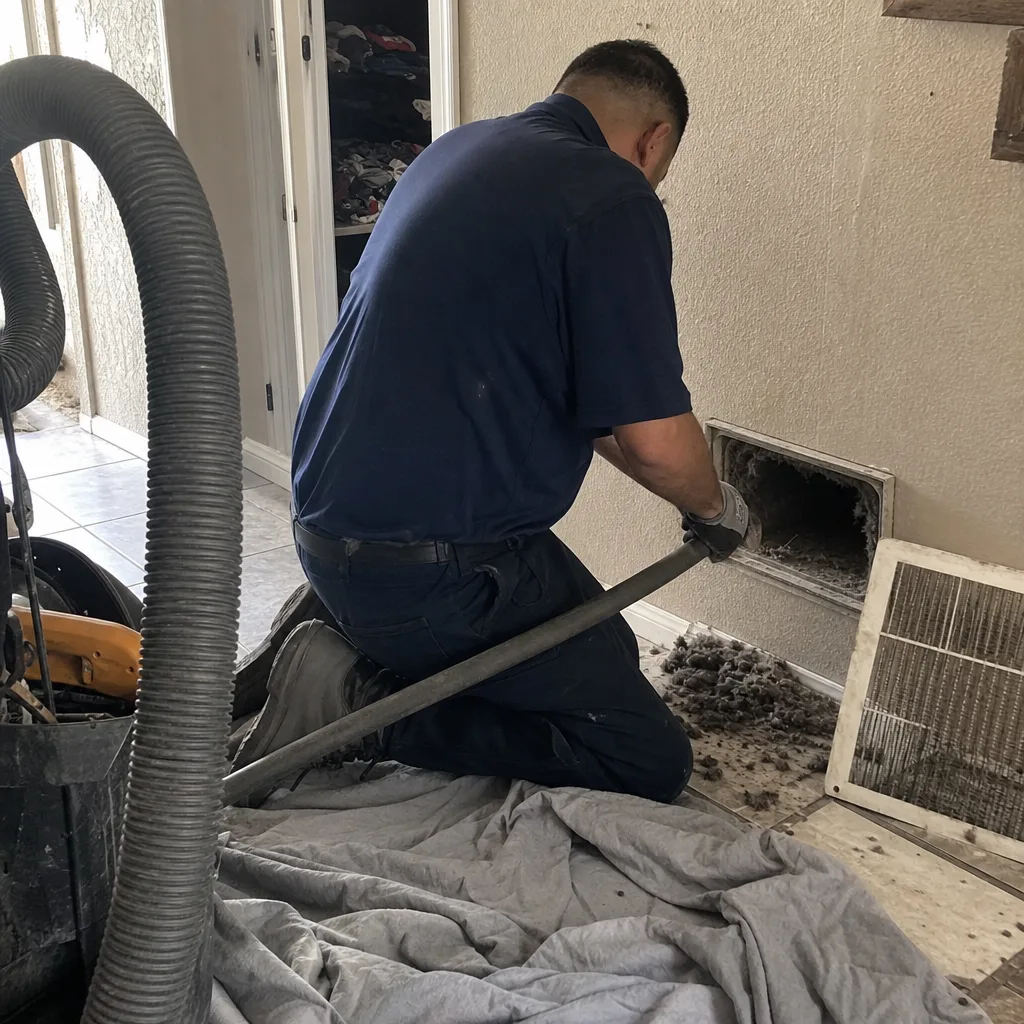 Before
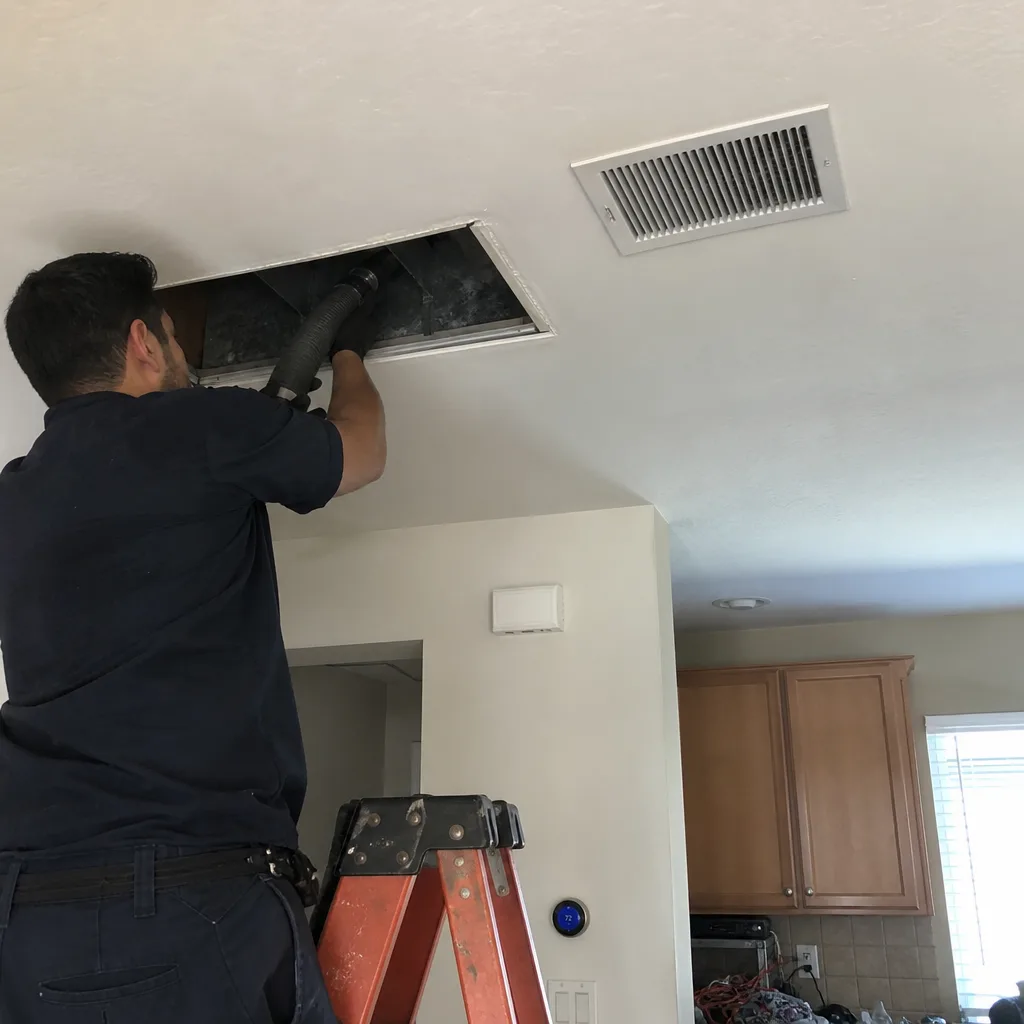 After
After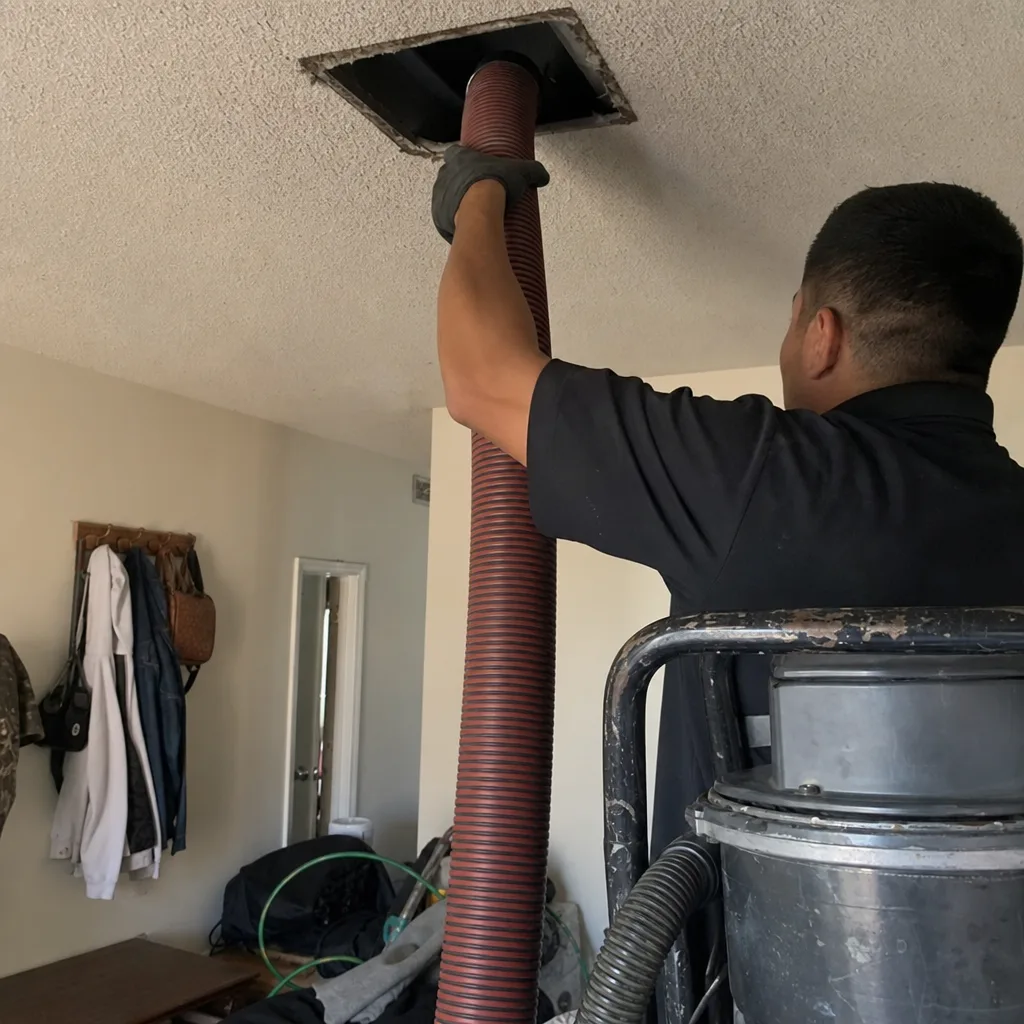 Before
 After
AfterAir Duct Cleaning Warning Signs: A Gilbert Homeowner’s Reference Guide
Here’s something most contractors won’t tell you: the warning signs plastered across every air duct cleaning website in Gilbert - visible dust at your registers, musty smells, rising energy bills - are late-stage symptoms, not early warnings. By the time you’re noticing them, the underlying mechanical condition has usually been developing for months or years. In Gilbert’s climate, where summer attic temperatures exceed 140°F and monsoon humidity spikes stress every component of your HVAC system, chasing symptoms without diagnosing causes wastes money and often leaves the real problem untouched. This guide - like The Complete Guide to Air Duct Cleaning in Gilbert - works backward from those familiar warning signs to the actual mechanical conditions that produce them, so you can tell whether you need duct cleaning, duct repair, coil service, or equipment replacement - and spot a contractor who’s solving the wrong problem.
Quick Answer
The most reliable warning signs that your Gilbert home needs our Air Duct Cleaning services are: debris visible inside the ductwork past the register boot (not just surface dust on the grill), reduced airflow at specific registers that doesn’t match filter condition, and a photo-documented buildup of particulate at duct elbows or the plenum. Musty odors, uneven room temperatures, and rising energy bills are secondary symptoms that may indicate duct problems, coil issues, or equipment sizing failures - conditions that duct cleaning alone often won’t fix.
Table of Contents
- Dusty Registers vs. Dusty Discharge: The Critical Difference
- Musty Odors: Three Causes, Three First Responses
- Asymmetric Room Temperatures: Blockage, Leakage, or Wrong Size
- Visible Mold at a Supply Register: What You’re Actually Seeing
- How to Document a Warning Sign Before Calling Anyone
- Gilbert Climate Factors That Accelerate Duct Problems
- When Duct Cleaning Won’t Help (And What Will)
- Choosing a Contractor: What to Ask Before Booking
BeforeAfterDusty Registers vs. Dusty Discharge: The Critical Difference
This distinction determines whether you’re looking at a $150 cosmetic fix or a $1,200+ duct remediation. Most Gilbert homeowners, and too many contractors, get it wrong.
Dusty registers are surface accumulation. The metal or plastic grill covering your duct opening collects airborne particles the same way a bookshelf does. In Gilbert, where desert dust is constant and construction in developing neighborhoods like Morrison Ranch and Agritopia stirs additional particulate, a dusty register is normal. Wipe it with a damp cloth. If the dust returns in a week but the air coming through feels normal, you’re observing ambient dust loading, not a duct problem. Cleaning your registers is housekeeping, not HVAC maintenance.
Dusty discharge air is a system bypass problem. When you hold a flashlight at the register and see particles moving with the airflow, or when you remove the register and find debris accumulated on the duct walls past the boot, you’re seeing conditioned air carrying material from inside the ductwork into your living space. This indicates one of three conditions:
- Return-side leakage: Your return ducts pull air from unconditioned spaces - attics, wall cavities, the garage - because joints or seams have separated. That air carries fiberglass particles, attic dust, and construction debris. The filter never sees it because it enters after the filter location.
- Filter bypass: The filter is incorrectly sized, improperly seated, or has collapsed, allowing unfiltered air to enter the blower compartment and distribute through supply ducts.
- Degraded flex duct liner: Older flex duct, common in Gilbert homes built 2005-2015, can shed fiberglass insulation particles into the airstream as the adhesive binder breaks down in attic heat.
We’ve documented this distinction on hundreds of jobs in Gilbert. In a 2019-built home near Val Vista Lakes, the camera showed pristine metal ductwork but heavy debris at the return plenum - the result of a 2-inch gap where the return trunk met the air handler platform, pulling 140°F attic air continuously. The registers looked filthy; the ducts were clean. Sealing that gap eliminated the dust problem. Cleaning the ducts would have been irrelevant.
How to check yourself: Remove one register. Shine a flashlight into the boot. If the first 6-12 inches are clean but debris appears deeper, or if the duct walls show a uniform coating rather than scattered particles, you have discharge-side loading that warrants professional inspection. Photograph what you see - we’ll explain why this matters in the documentation section below.
Musty Odors: Three Causes, Three First Responses
A musty smell from your vents in Gilbert in August isn’t automatically a duct cleaning problem. In our experience, it’s almost always a condensate drainage or coil moisture issue that duct cleaning alone won’t fix, and a contractor who leads with cleaning without checking the coil is solving the wrong thing.
Here’s how to distinguish the three common causes:
Odor from Duct Debris
Organic material in ductwork - pet hair, pollen, skin cells, occasional moisture from system cycling - can produce a mild, earthy smell when the blower first engages. Characteristics: the smell fades after 10-15 minutes of runtime; it’s consistent across all registers; and there’s no correlation with outdoor humidity. This odor responds to thorough mechanical cleaning with negative-pressure extraction and contact agitation. In Gilbert’s dry climate, true duct-borne mustiness is less common than contractors suggest, but it does occur, especially in homes with evaporative cooler history or past water intrusion.
Odor from Wet Evaporator Coil
The coil in your indoor air handler condenses moisture from indoor air during cooling mode. In Gilbert, where systems run 2,500+ cooling hours annually, biofilm accumulates on coil fins - a slimy matrix of bacteria and fungal growth that produces a distinctive sour, locker-room smell. Characteristics: odor intensifies when cooling first starts; may be stronger at registers closest to the air handler; often correlates with reduced cooling efficiency or longer run times. The coil needs physical cleaning with foaming cleaner and fin combing, not duct cleaning. We’ve found coils in Gilbert homes so fouled that airflow was reduced 30% before the homeowner noticed anything except the smell.
Odor from Standing Water in Drain Pan
Your air handler’s condensate drain can clog with algae, especially in hard-water areas like Gilbert’s municipal supply. Water backs up into the emergency pan or overflows onto surrounding platform materials. Characteristics: smell is sharp and acrid, not earthy; may accompany water stains on ceiling drywall below the air handler; often worse after monsoon humidity spikes when condensate volume increases. This requires drain line clearing, pan treatment, and often platform repair - not duct cleaning. In one 2016 home near Power Ranch, the drain line had been “cleared” three times by duct cleaners while a cracked pan leaked continuously onto the return platform, saturating the filter rack and producing persistent mold growth.
First response protocol: If you notice musty odors, run your system for 20 minutes, then check the air handler location (usually attic or closet). Look for water in the emergency pan, stains on the platform, or moisture around the coil cabinet. Note whether the smell correlates with cooling startup. This information lets any legitimate technician start in the right place.
Asymmetric Room Temperatures: Blockage, Leakage, or Wrong Size
One bedroom runs 8°F warmer than the rest of the house. The office near the garage never cools adequately. These complaints represent a significant portion of our Air Duct Cleaning in Gilbert inquiries, and the cause is rarely “dirty ducts” in the way homeowners imagine.
Duct blockage produces a sharp temperature gradient with normal or high airflow elsewhere. Common causes in Gilbert: collapsed flex duct in attics where 140°F summer heat degrades the wire helix; construction debris (drywall chunks, insulation batts) left in ducts during original build; or, in homes with rodent history, nesting material packed at elbows. Diagnosis: remove the register and inspect with a flashlight; check whether airflow at the problem register is visibly weaker than at adjacent ones. A camera inspection confirms. Blockage responds to physical removal and duct repair if the duct is damaged.
Duct leakage produces gradual temperature drift with apparently normal airflow at the register - because the air you’re feeling is a mix of conditioned air and attic air pulled in through separated joints. In Gilbert’s climate, leakage is pervasive: thermal expansion and contraction of duct metal and flex in extreme attic temperatures loosen connections over time. A 2018 study by Arizona Public Service found average duct leakage of 23% in tested Valley homes, with some exceeding 40%. Diagnosis: pressure pan testing during blower operation, or infrared imaging showing cooled air escaping at joints. Leakage requires sealing, not cleaning. CleanRun’s CleanRun Air Duct Cleaning Gilbert home service includes leakage assessment because we’ve learned that cleaning leaky ducts improves nothing until the leaks are addressed.
Equipment sizing problems produce temperature asymmetry that cleaning cannot touch. An undersized system cannot move enough air to reach distant rooms; an oversized system short-cycles, cooling the thermostat location before remote rooms reach setpoint. Both conditions are common in Gilbert’s rapid-build environment, where builders often specified identical equipment across floor plans with different load profiles. In a 2020-built home near Adora Trails, the upstairs master bedroom ran 10°F warm despite “clean” ducts - the 3-ton system was rated for 1,800 square feet and serving 2,400 with west-facing glass. No cleaning or sealing fixes a 33% capacity deficit.
How to tell which you have: measure airflow at each register with a simple anemometer ($25 online). Note the CFM readings. If one register shows 30%+ less airflow than others, suspect blockage. If readings are similar but temperatures differ, suspect leakage or sizing. If the problem room is the farthest from the air handler with a long duct run, sizing is increasingly likely.
Visible Mold at a Supply Register: What You’re Actually Seeing
Few findings trigger homeowner anxiety like dark spots on a register. But “mold at the register” describes three distinct conditions with different health implications and remediation requirements. Misidentification leads to unnecessary duct cleaning or, worse, ignored genuine growth.
Surface Condensation Staining
In Gilbert, this is the most common cause of dark register discoloration. Cold supply air hits a metal register in a humid room (bathroom after shower, kitchen during cooking, or during monsoon season when indoor humidity spikes). Condensation forms on the register face, attracting and trapping airborne dust. The result: dark streaks or spots that look biological but are purely particulate staining. Test: the discoloration wipes off with household cleaner and does not recur if humidity is controlled. No remediation needed beyond humidity management.
Biological Growth on Register Face
Actual mold or mildew can colonize the register surface when condensation is chronic and organic material is present. Characteristics: fuzzy or raised texture, not flat staining; may show color variation (green, black, white); recurs after cleaning if humidity persists. Remediation: remove and clean the register with antimicrobial solution, address humidity source, and monitor. The ductwork behind may be unaffected.
Growth Inside the Duct
This is the condition that warrants professional intervention, and it’s the rarest of the three. Characteristics: visible growth extends past the register boot into the duct; may show at multiple registers served by the same duct branch; often accompanies a history of water intrusion, chronic condensation in the duct due to poor insulation, or previous evaporative cooler use. In Gilbert, we see this most often in homes with uninsulated metal duct in exterior walls, where winter heating creates condensation against cool exterior surfaces, or in homes converted from evaporative cooling where residual moisture supported growth.
Critical distinction: growth inside the duct requires source removal (physical cleaning or, in severe cases, duct replacement), not chemical fogging or “mold treatment” alone. The EPA and NADCA guidelines are clear - biocides in ductwork are not a substitute for removing contaminated materials. Any contractor proposing to “treat” internal growth without physical removal is not following recognized standards.
Documentation tip: photograph the register before touching it. Note whether the growth pattern is uniform (suggesting condensation staining) or irregular and three-dimensional (suggesting biological growth). Include a ruler or coin for scale. This pre-inspection record prevents contractors from characterizing minor staining as major contamination.
How to Document a Warning Sign Before Calling Anyone
The most powerful tool a Gilbert homeowner has is a dated photograph taken before any technician arrives. It creates an accountability record that prevents the common industry practice of inflating findings once the truck is on your driveway.
- Photograph the symptom in context. If it’s a dusty register, shoot the register in place, then removed, then the duct interior with flashlight. Include a timestamp. If it’s a temperature asymmetry, photograph the thermostat setting and a thermometer in the problem room.
- Record operational conditions. Note outdoor temperature, system runtime before observation, filter age and type, and any recent changes (renovation, new pets, filter replacement). These variables explain many “warning signs” without mechanical failure.
- Measure what you can. Airflow at registers with an anemometer. Temperature at multiple rooms with the same thermometer. Humidity with a basic hygrometer ($15). These numbers transform vague complaints into specific, verifiable conditions.
- Request the contractor’s pre-inspection protocol. Before booking, ask: “Will you photograph the interior of every duct run before and after any work?” If the answer is no, you’re relying on verbal characterization of findings you cannot verify. CleanRun’s documented photo record on every visit exists precisely because we believe customers should see what was found, not be told.
- Get any recommended work in writing before it starts. Haven Standard Clause 1: written price delivered before any work begins, every time. No exceptions. A contractor who discovers “additional problems” after starting work and demands more money is operating outside this standard.
We’ve had Gilbert homeowners present pre-inspection photos that directly contradicted a competitor’s “urgent” recommendation. In one case, a homeowner’s photo of a clean metal duct boot - taken the morning of the appointment - exposed a technician’s claim of “heavy contamination requiring immediate sanitizing.” The photos don’t lie. Verbal descriptions do.
Gilbert Climate Factors That Accelerate Duct Problems

Gilbert’s specific climate conditions create duct degradation patterns that differ from national norms. Understanding these helps distinguish real problems from normal wear.
Extreme attic thermal cycling. Summer attic temperatures in Gilbert routinely reach 140-150°F. Duct metal expands; joints loosen. Flex duct wire helix fatigues. Mastic sealant cracks. This thermal stress is absent in milder climates and produces leakage rates that surprise relocating homeowners. We’ve found 15-year-old duct systems in Gilbert with leakage exceeding 35% - not from poor original installation, but from a decade and a half of daily expansion and contraction.
Monsoon humidity spikes. July and August bring brief periods of high humidity that stress systems designed for dry operation. Condensate drains clog more frequently. Coil biofilm proliferates. Duct insulation facing degrades if moisture penetrates. These events are transient but consequential - a single clogged drain pan during a humid week can produce mold growth that persists for months.
Caliche soil and foundation movement. Gilbert’s expansive clay soils produce slab movement that cracks drywall, misaligns doors, and - less obviously - stresses duct connections where flex duct enters wall chases. A duct boot that was sealed at construction may separate as the wall shifts, creating a return leak that pulls garage or wall-cavity air. This is particularly common in neighborhoods built during the 2005-2008 construction boom, where rapid grading and limited cure time produced more foundation movement.
Construction dust loading. Gilbert’s continued development - new neighborhoods like The Bridges, Whitewing, and ongoing infill - generates airborne particulate that loads filters and settles in ductwork. Homes downwind of active construction sites show measurably higher dust accumulation rates. This isn’t a system failure; it’s environmental loading that may require more frequent filter changes but doesn’t indicate duct contamination requiring cleaning.
Hard water and condensate chemistry. Gilbert’s municipal water supply, sourced from Colorado River and local groundwater, runs 12-18 grains per gallon hardness. Condensate water is chemically aggressive toward aluminum drain pans and copper coils, accelerating corrosion that can produce pinhole leaks and platform damage. This chemistry is invisible to homeowners until damage is advanced, but it explains why coil and drain maintenance matters more here than in soft-water regions.
When Duct Cleaning Won’t Help (And What Will)
Honest diagnosis requires acknowledging when your symptoms point away from cleaning entirely. These are the most common mismatches we encounter in Gilbert homes:
- Persistent odors after cleaning: If a previous cleaning didn’t resolve mustiness, the source was never the ducts. Check the evaporator coil, drain pan, and return platform for moisture or biofilm. In Gilbert’s climate, coil cleaning is often the actual need.
- Rising energy bills with clean ducts: Duct leakage or equipment efficiency degradation explains this, not duct debris. A blower door and duct blaster test quantifies leakage; an HVAC load calculation identifies sizing problems. Cleaning doesn’t change either.
- Allergies unimproved after cleaning: Indoor allergens in Gilbert are predominantly outdoor pollen (palo verde, mesquite, ragweed) and dust mites in bedding, not duct debris. If your symptoms are seasonal, the ducts aren’t the vector. Consider whole-home filtration with media rated MERV 11 or higher, and source control in bedrooms.
- Noisy airflow: Whistling, rumbling, or banging from ducts indicates mechanical problems - loose dampers, separated flex duct, undersized returns, or blower speed issues. Cleaning doesn’t change airflow dynamics.
- Recent renovation with dust complaints: Construction dust is episodic and heavy. If your complaint started after a remodel, the problem is likely residual particulate in the living space and HVAC components (coil, blower wheel), not chronic duct accumulation. Cleaning may help, but coil and blower cleaning are usually more impactful.
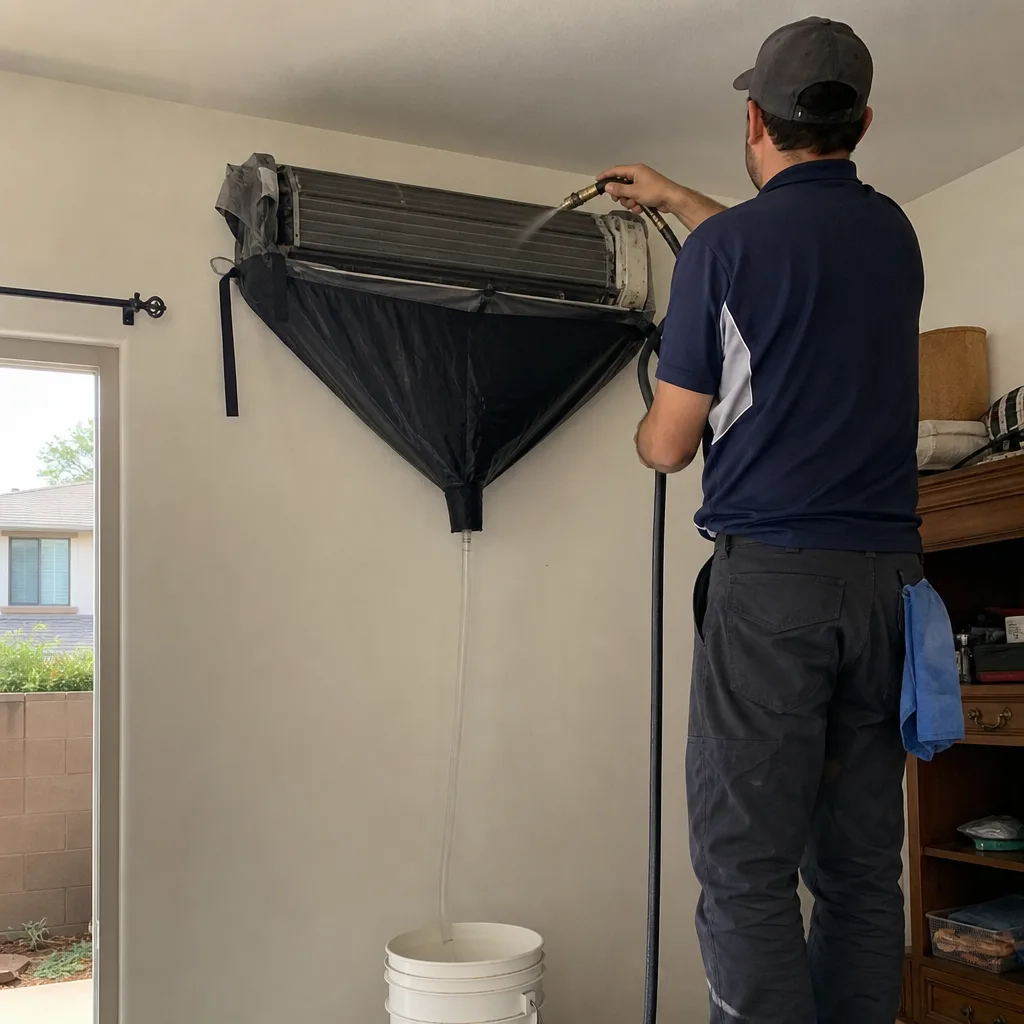
For equipment-related issues, our HVAC Cleaning in Gilbert service addresses coils, blowers, and cabinets - the components that actually interact with conditioned air. Duct cleaning without component cleaning, or vice versa, addresses half the system.
Choosing a Contractor: What to Ask Before Booking
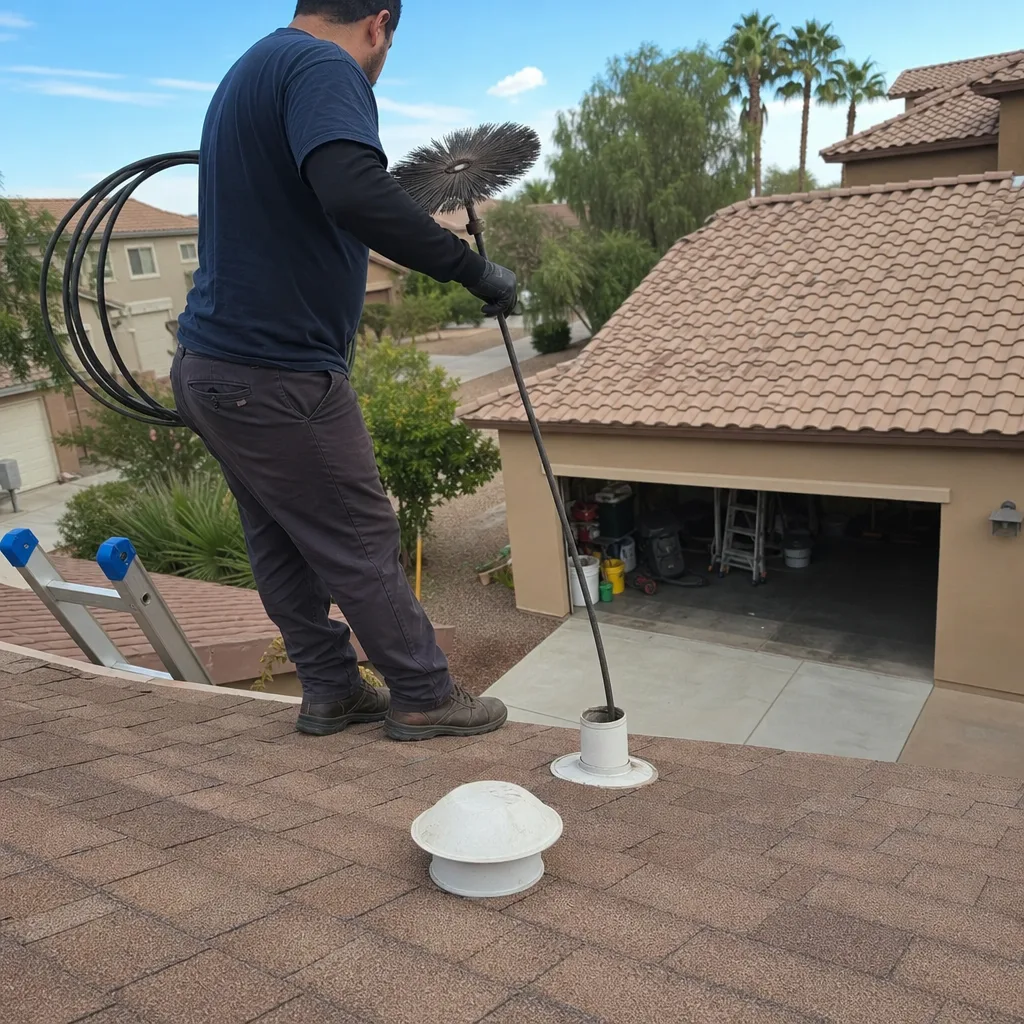
The air duct cleaning industry in Gilbert, like nationally, is fragmented between documented, equipment-based service and coupon-driven vacuum visits. For more guides & resources on navigating this, see our blog. These questions separate the two:
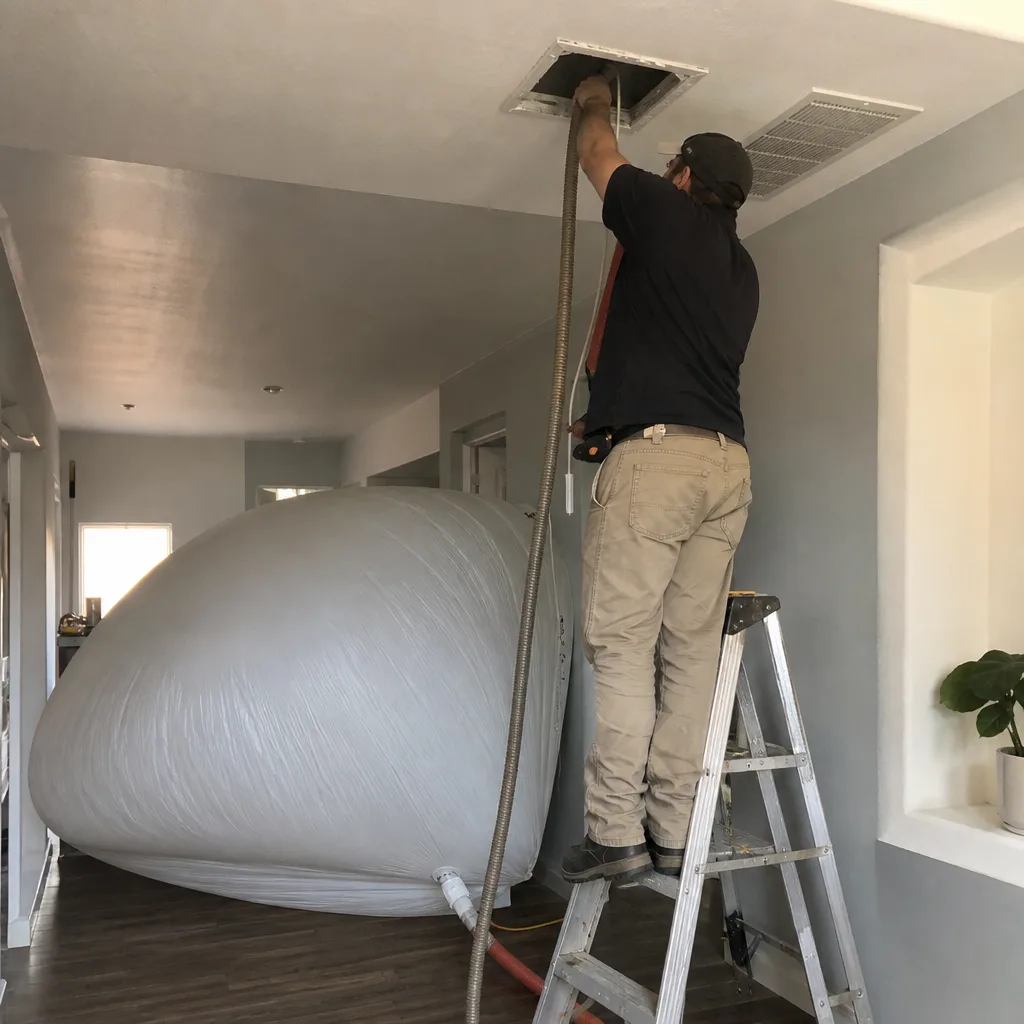
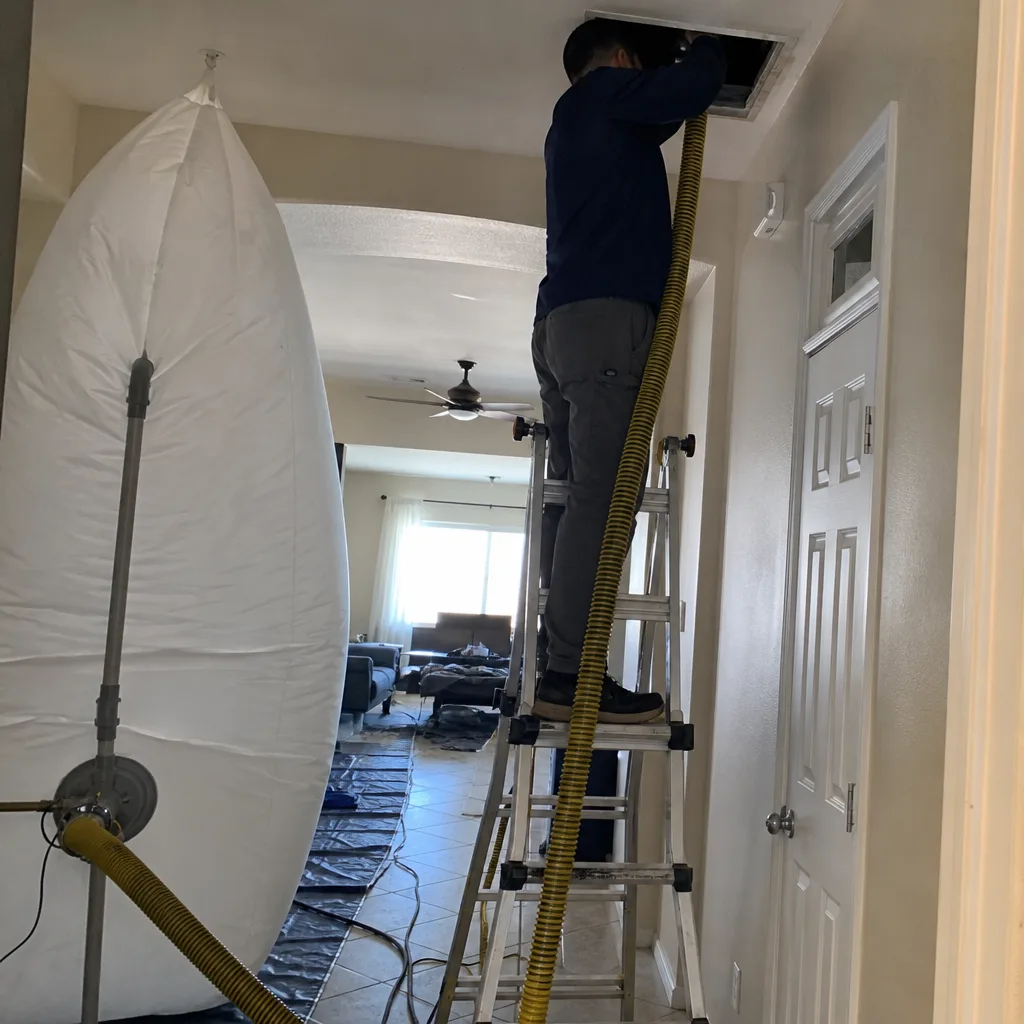
“What equipment do you use, and can I verify the manufacturer?” Legitimate technicians name specific brands: Rotobrush for contact agitation in residential ductwork, Nikro or Abatement Technologies for negative-pressure extraction systems, Guardsman for filtration and containment. Vague answers (“commercial-grade equipment,” “proprietary systems”) suggest shop-vac improvisation. CleanRun publishes its equipment roster because customers can and should verify what will be in their home.
“Will I receive photographs of every duct run before and after?” A documented photo record is not an upgrade or a courtesy - it’s the only proof that work occurred as described. If the answer involves “visual inspection” or “technician notes,” you’re buying trust, not verification.
“What is the written price for my system, and what could change it?” Haven Standard Clause 1: written price before work starts, every time. Not an estimate range. Not a “starting at” figure. A single number for the agreed scope. If the contractor discovers “additional contamination” after starting, the pre-work photograph protects you from inflated charges.
“Are your technicians background-checked and identified by name before arrival?” Haven Standard Clause 3: Verified Crews. You should know who is entering your home before the truck arrives.
“What does your warranty cover, and is it in writing?” CleanRun’s 365-Day Done Right Promise is backed in writing on every job, not stated in marketing copy and subject to manager discretion. Ask to see the actual warranty document before booking.
“Do you offer a free second opinion on written estimates?” If you’ve received another quote, a legitimate operator should welcome comparison. CleanRun’s free second opinion puts our written number next to any competitor’s - no obligation, no pressure.
Common Mistakes to Avoid
- Booking based on register dust alone. Surface dust is ambient, not systemic. In Gilbert’s dusty environment, registers need regular wiping. Don’t pay for duct cleaning when housekeeping suffices.
- Accepting “mold” diagnosis without photographic evidence. Visual mold claims are the industry’s most common upsell tactic. Demand to see the growth in your specific ductwork, not generic photos from another job.
- Ignoring the evaporator coil. A contractor who inspects ducts without examining the coil is missing the most common odor and efficiency source in Gilbert homes. Coil cleaning is a separate service, but it’s often the actual need.
- Chasing the lowest coupon price. The $79 duct cleaning special in Gilbert invariably becomes a $400-$800 invoice once “additional vents” and “sanitizing” are added. Whole-system pricing from reputable operators runs $400-$900 for typical residential systems, with variation based on system size and accessibility - not per-vent gimmicks.
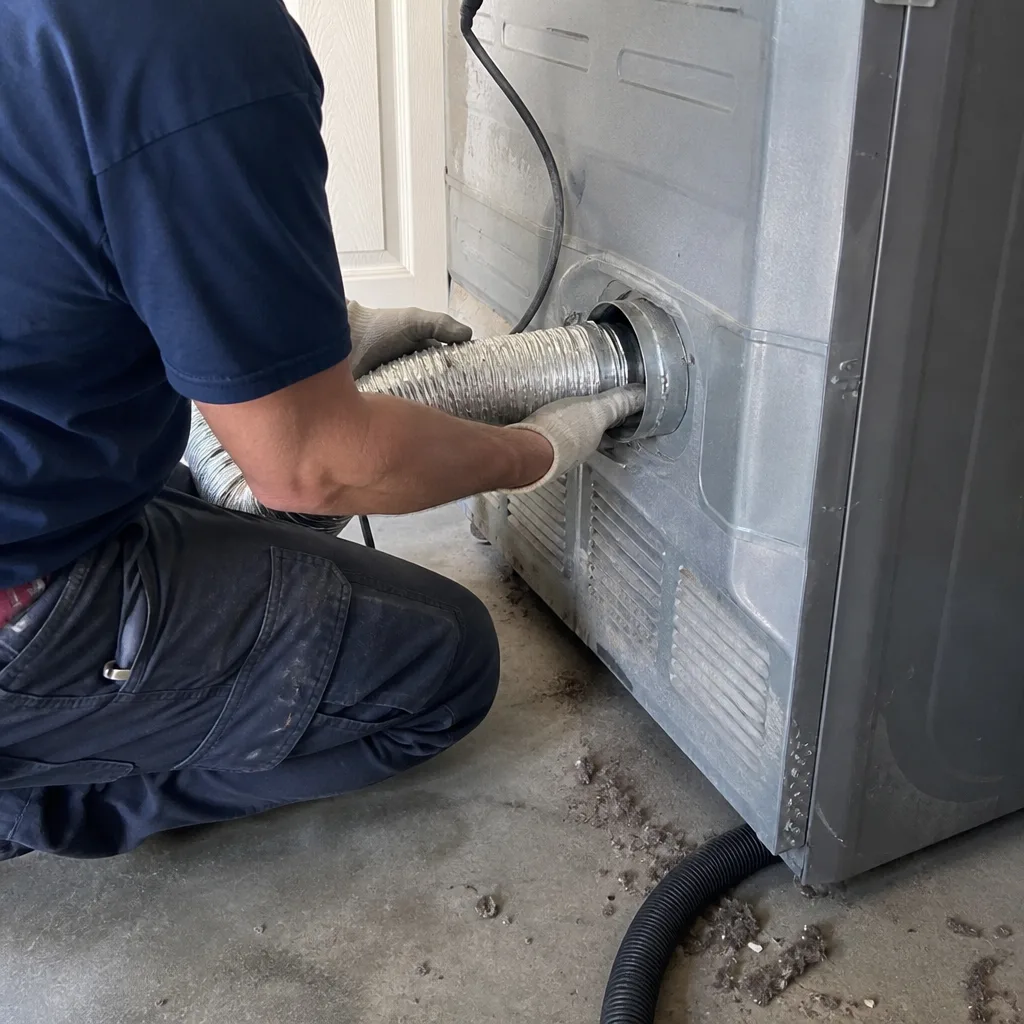
- Neglecting dryer vent maintenance while focusing on ducts. A clogged dryer vent is a genuine fire hazard and efficiency problem, often more consequential than duct debris. CleanRun’s Dryer Vent Cleaning in Gilbert addresses this separate, critical system.
- Assuming new homes have clean ducts. Construction debris in new Gilbert homes is pervasive: drywall dust, wood chips, insulation fragments, and occasionally discarded lunch wrappers. A 2022 home near Cooley Station had enough drywall compound in the return trunk to fill a grocery bag. The ducts were “new” but not clean.
When to Call a Professional
Call for professional assessment when you’ve documented visible debris inside ductwork past the register boot, when asymmetric temperatures persist after filter replacement, when musty odors correlate with cooling startup and don’t resolve with coil inspection, or when you’ve had water intrusion or pest activity in your duct system. These conditions require equipment and expertise beyond homeowner tools.
CleanRun Air Duct Cleaning Gilbert offers free estimates in Gilbert - call (520) 666-7643. Every estimate includes a written price before any work begins, background-checked technicians identified by name, and a documented photo record of findings. The 365-Day Done Right Promise applies to every job, backed in writing, not as a policy subject to approval.
Frequently Asked Questions
Whole-system air duct cleaning in Gilbert typically ranges from $400 to $900 for residential HVAC systems, depending on system size, number of air handlers, duct accessibility, and whether dryer vent or HVAC component cleaning is included. Per-vent pricing is a common bait-and-switch structure; reputable operators quote one flat price per system. CleanRun delivers a written price before any work starts under Haven Standard Clause 1 - call (520) 666-7643 for an exact quote; estimates are free.
Low initial quotes rely on add-on pricing: extra charges per vent, mandatory “sanitizing,” discovered “contamination” after work begins. The $79 special becomes $600+ on the invoice. CleanRun’s pricing is flat per system, agreed in writing before work starts, with no post-arrival changes. The documented photo record shows what was actually done, preventing invoice inflation.
Demand a documented photo record of every duct run, before and after, delivered as part of the job record. Verbal assurances and technician checklists are not verification. CleanRun has photographed every duct run on every job since 2013 - over 52,000 homes - because customers should see the difference between real work and vacuum noise.
For most Gilbert homes with standard fiberglass filters changed every 60-90 days, duct cleaning is not time-based maintenance but response to specific conditions: documented debris, post-renovation cleanup, or real estate transaction preparation. Homes with pets, recent construction, or previous moisture problems may need more frequent attention. We assess based on camera inspection, not calendar intervals.
Homeowner-accessible ductwork is limited to register removal and vacuuming of the boot interior. Beyond that, professional equipment - negative-pressure extraction systems like those from Nikro or Abatement Technologies, and contact agitation tools like Rotobrush - is required to clean past the first few feet without damaging ductwork or releasing debris into the home. We do not recommend DIY duct cleaning attempts; improper technique can damage flex duct, dislodge connections, or contaminate living spaces.
Hard water doesn’t directly affect ductwork, but it accelerates corrosion in condensate drain pans and evaporator coils. A failed drain pan can leak onto return platforms and surrounding ductwork, producing moisture damage and mold conditions that require duct remediation. This is why we inspect drain pans and platforms during every duct assessment in Gilbert.
The Bottom Line
The warning signs marketed as “duct cleaning needs” are usually late-stage symptoms of deeper mechanical conditions. Dusty registers are surface housekeeping. Musty odors typically originate at the coil or drain, not the ducts. Uneven temperatures indicate blockage, leakage, or sizing - conditions cleaning won’t fix. The homeowner who documents findings before calling, asks specific equipment and pricing questions, and demands photographic verification avoids the industry’s most common traps. In Gilbert’s extreme climate, accurate diagnosis matters more than aggressive cleaning. Start with evidence, verify everything, and never pay for work described but not shown.
Written by Tomas Reyes, Owner at CleanRun Air Duct Cleaning Gilbert, serving Gilbert since 2013.