
Whole-system duct and dryer vent check with before-and-after photos - you see exactly what came out of your vents
That "$99 whole-house special" is a bait ad - the real number appears once they are in your hallway, or the "clean" is a shop-vac at the register. We photograph the inside of your ducts before and after instead.
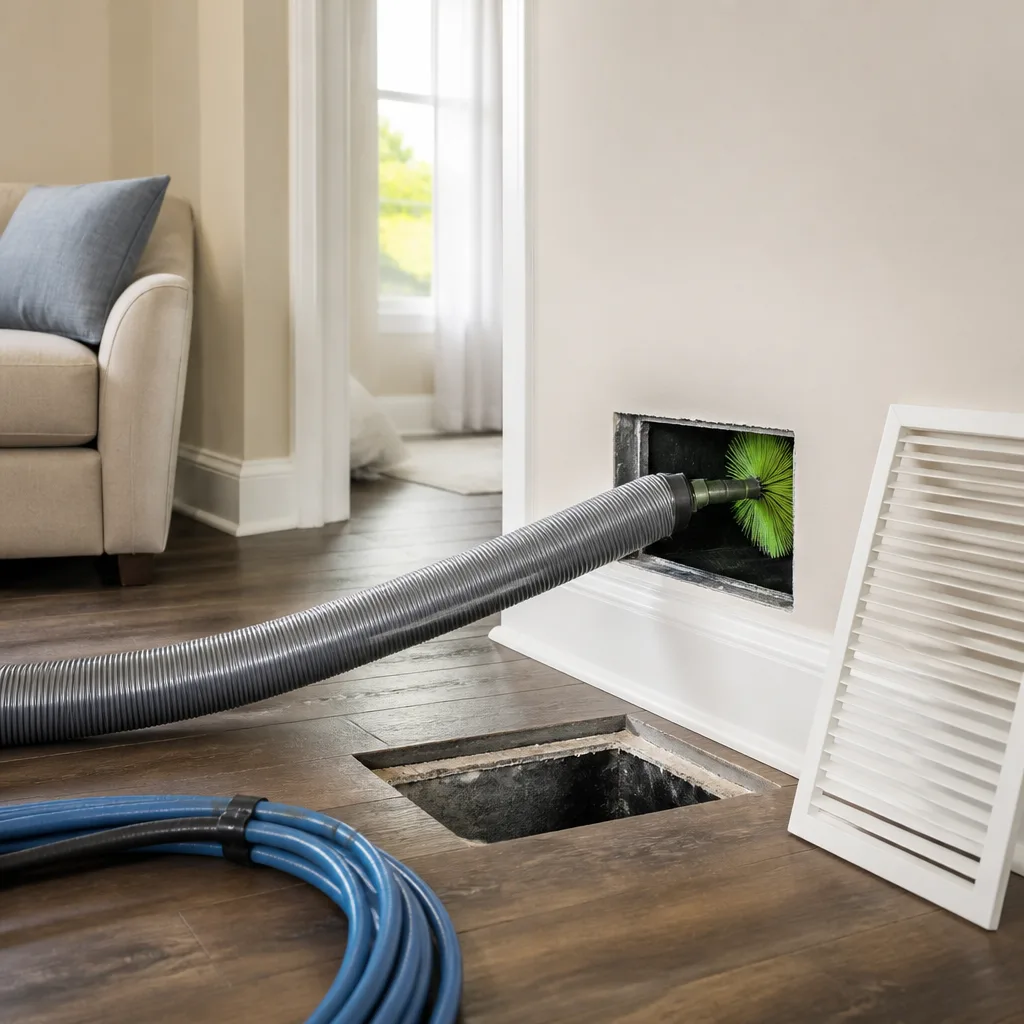
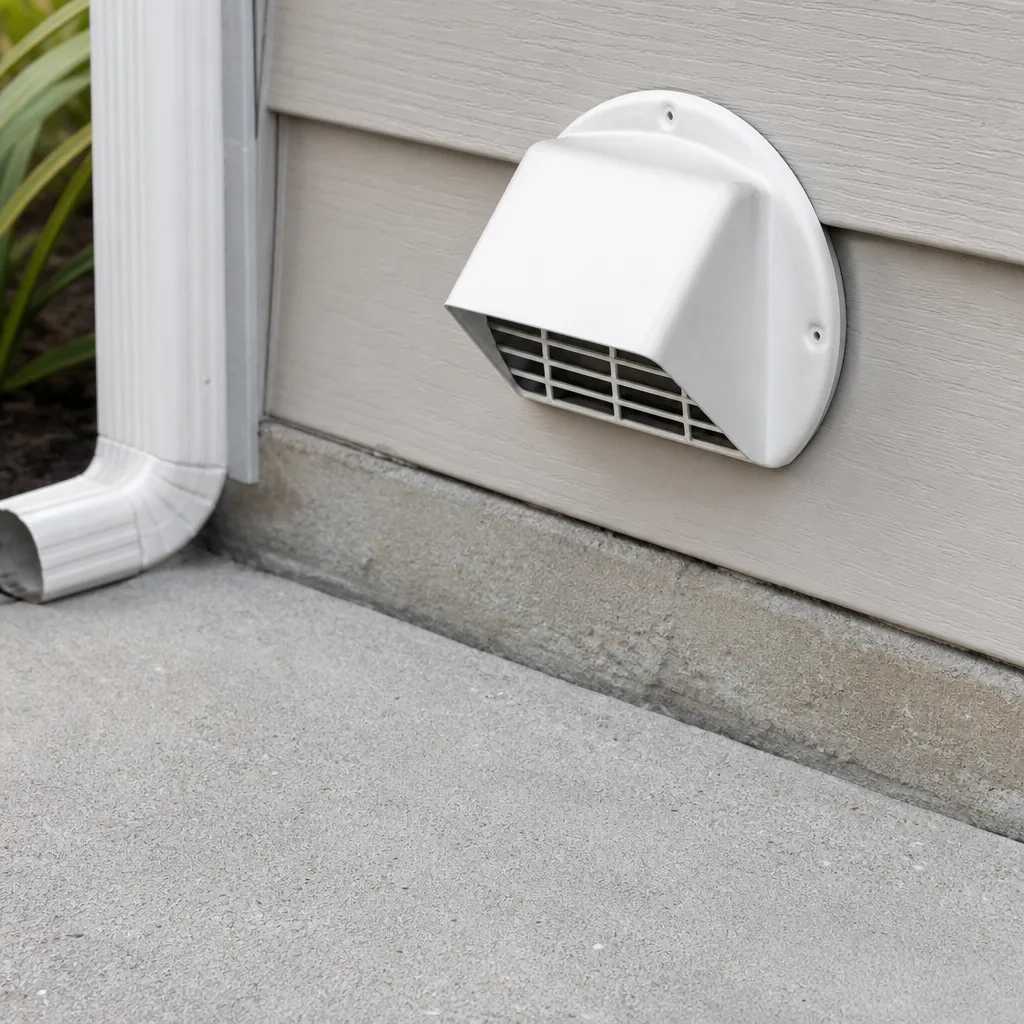
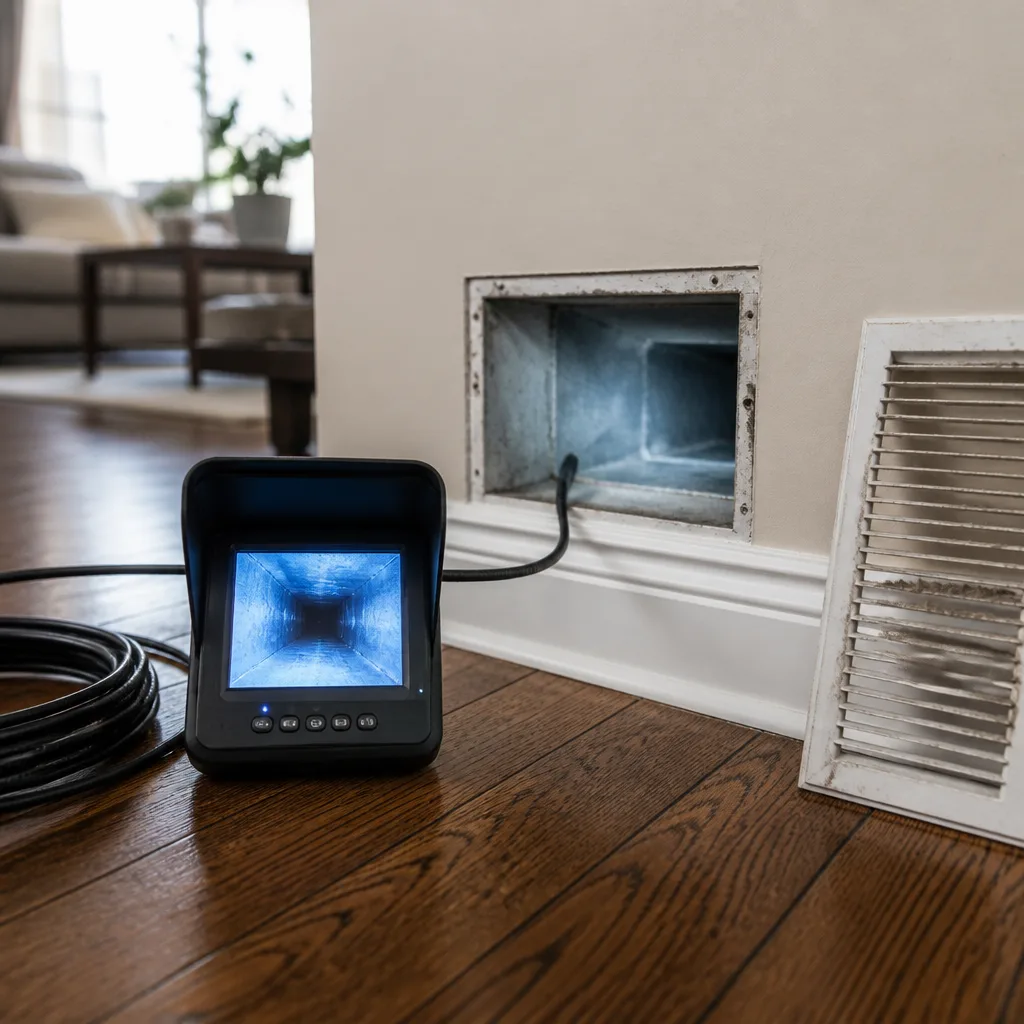
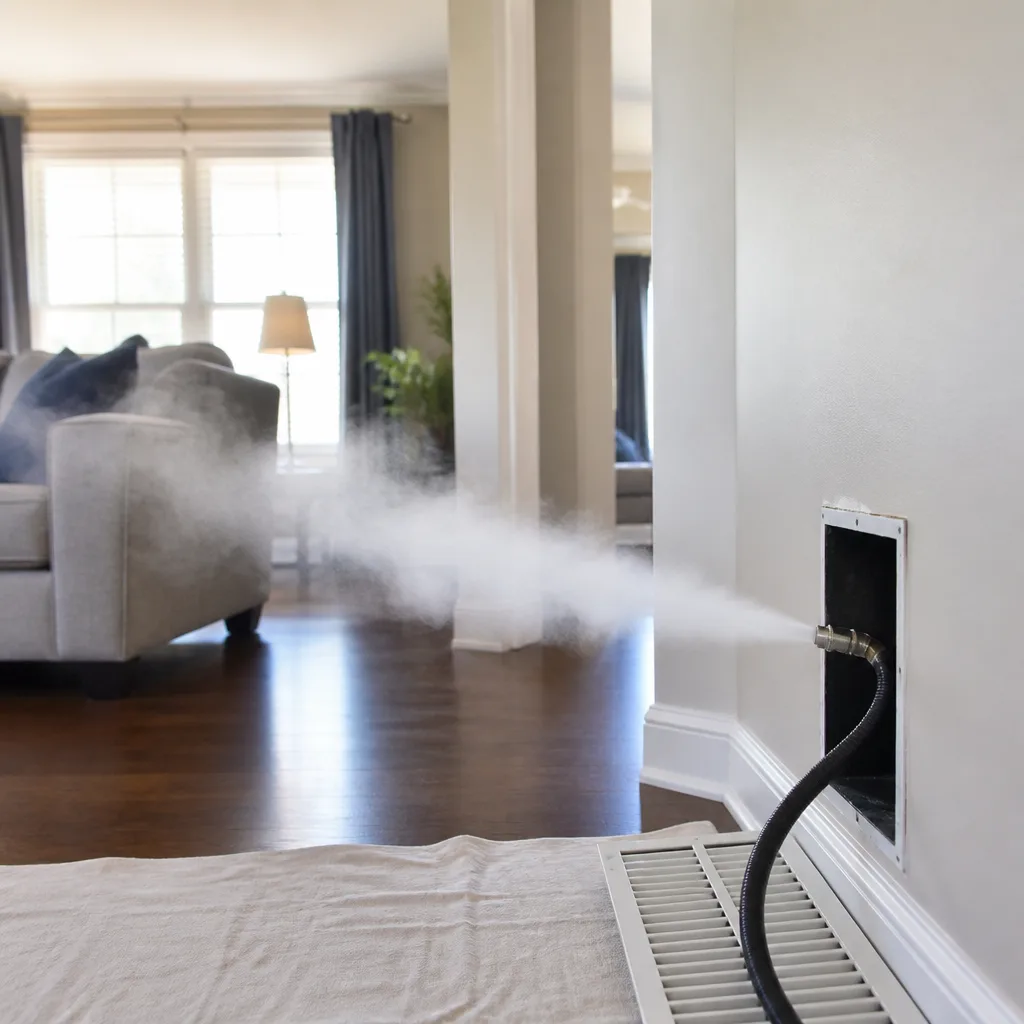
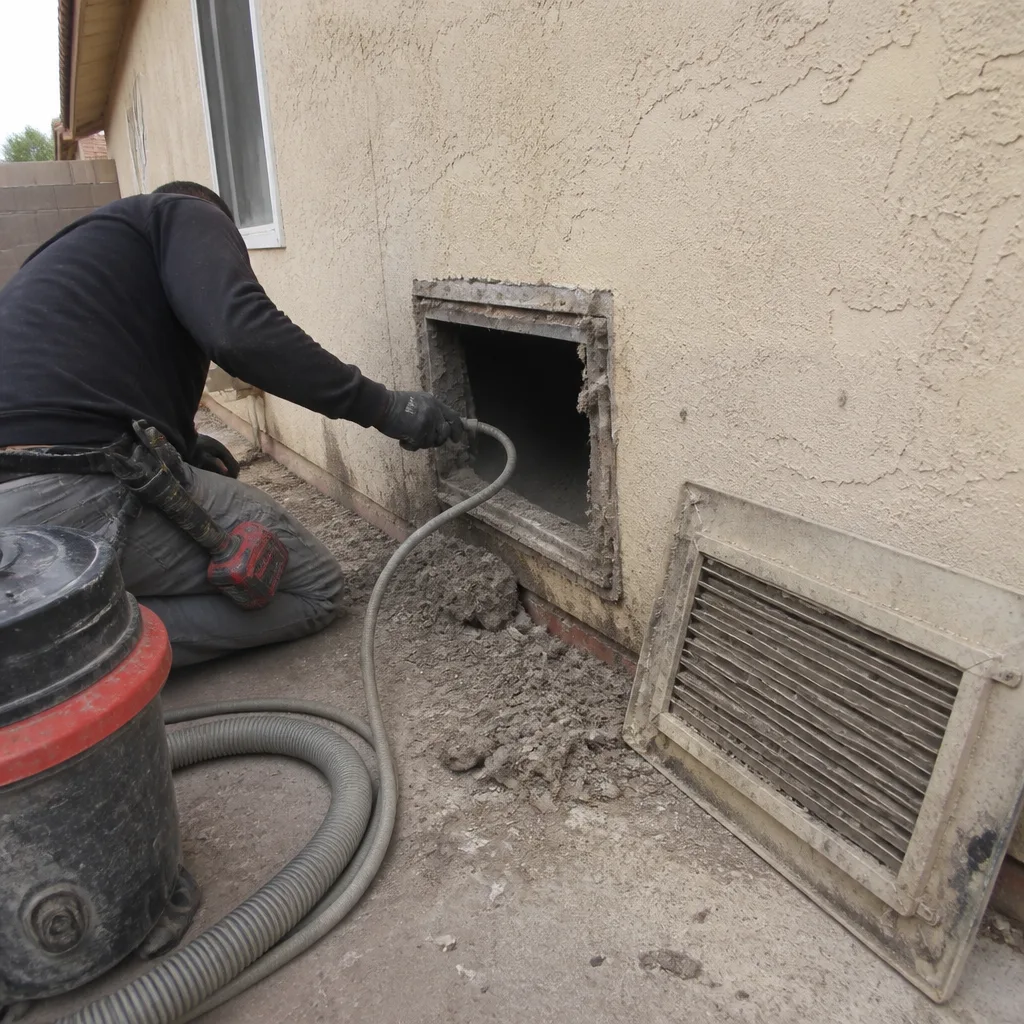 Before
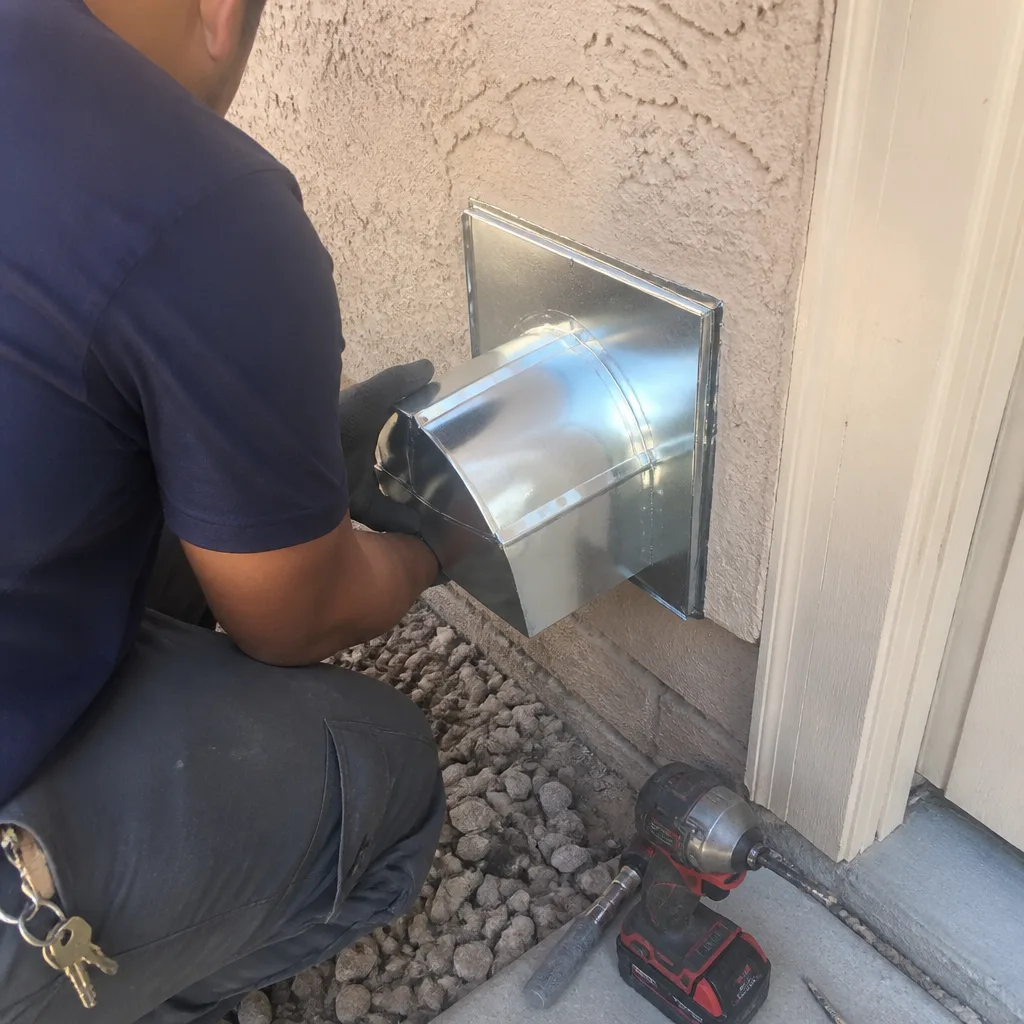 After
After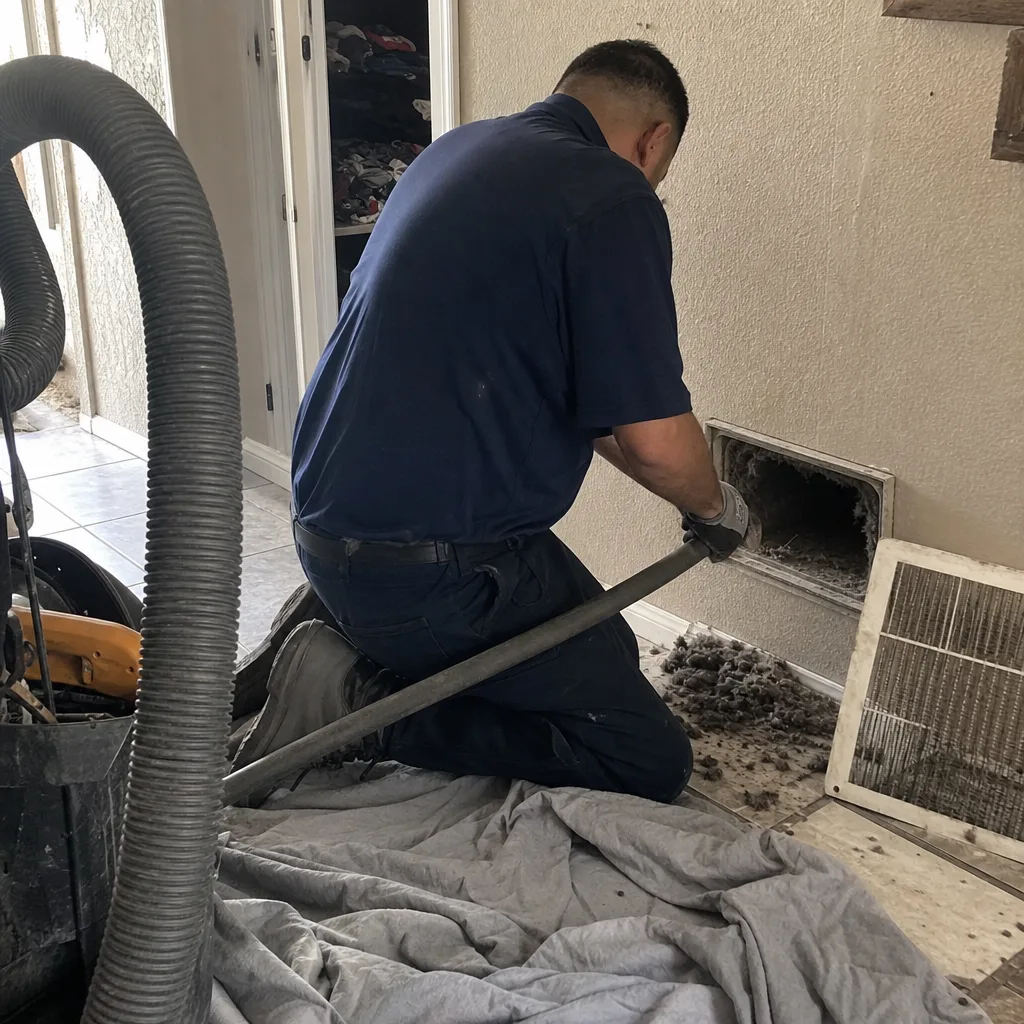 Before
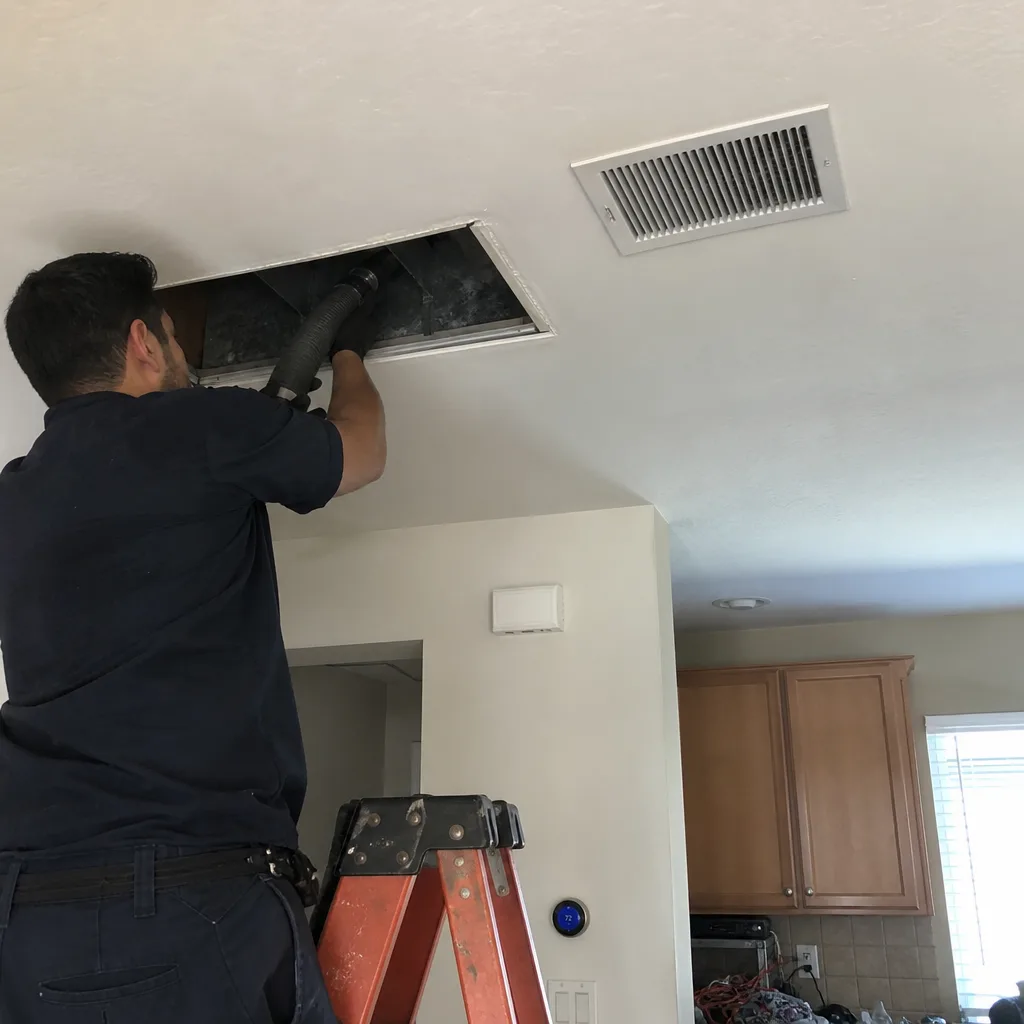 After
After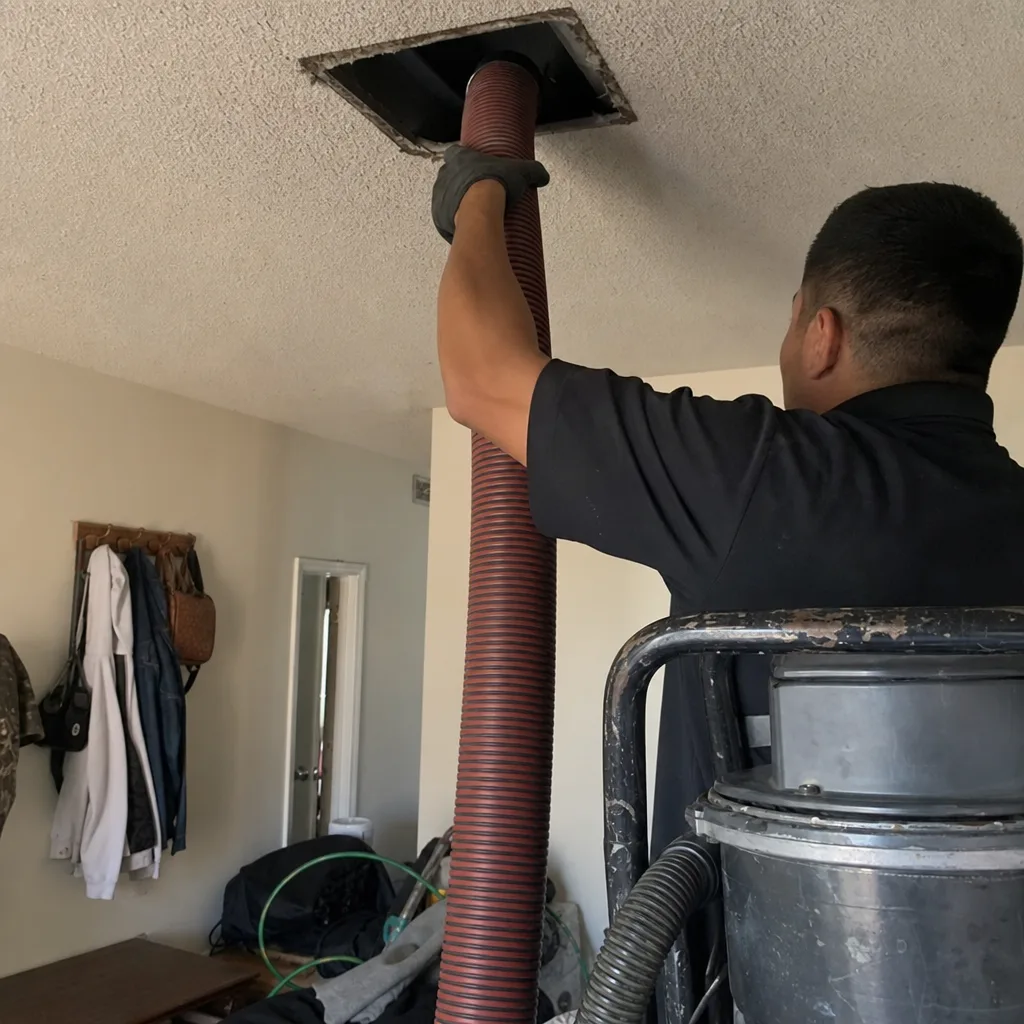 Before
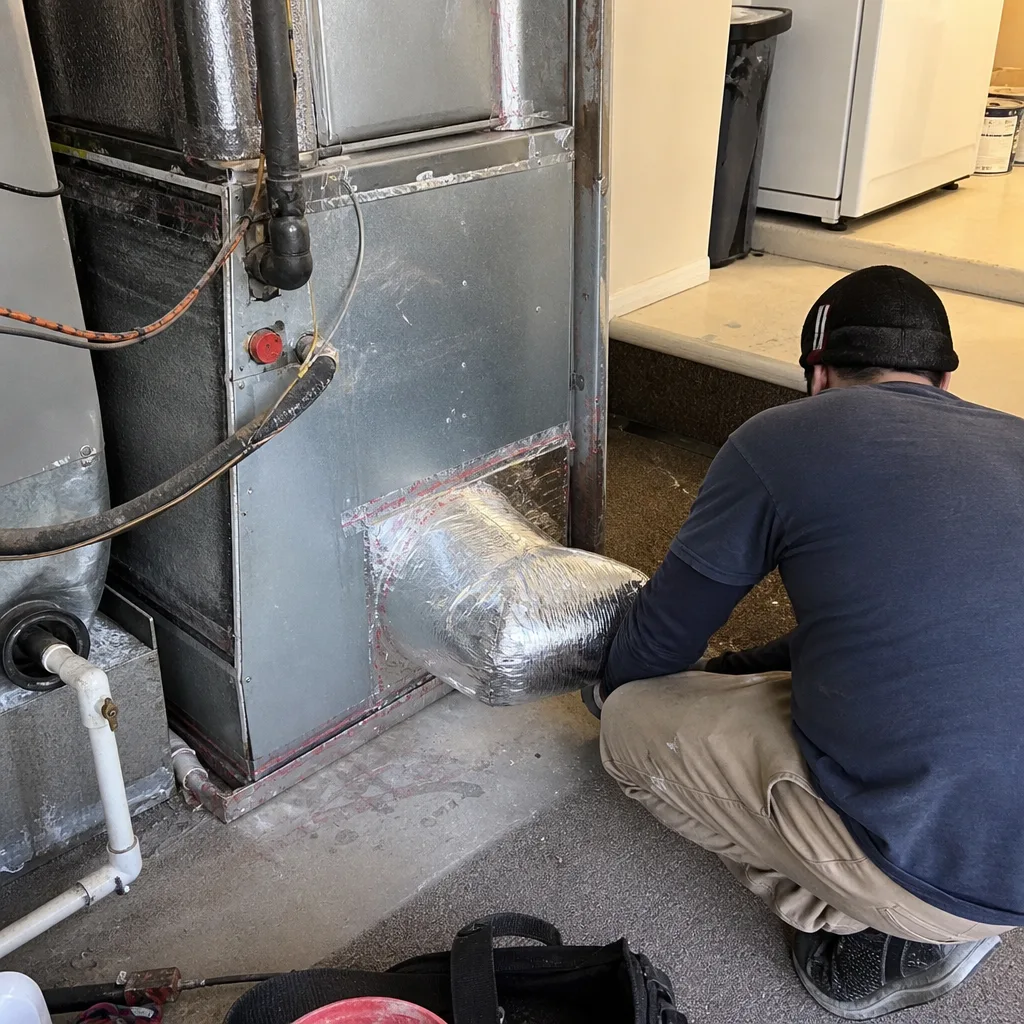 After
AfterNikro Duct Sealing & Repair: The Gilbert Owner’s Guide
We stock and install Nikro-compatible duct sealing and repair components for residential systems throughout Gilbert, with typical installed pricing between $340 and $780 depending on system reach and access difficulty. Most Nikro sealing jobs we handle are completed same-day because the parts travel on our trucks. The photo tells you what’s in there. The price tells you what it costs to fix it. Everything else is just paperwork.
Most Gilbert homeowners discover a Nikro sealing issue when their utility bill spikes during July or August despite the thermostat never budging. Others notice one room stays stubbornly warm while the rest of the house cools, or they find dust settling on registers within hours of cleaning. In Power Ranch and the older Agritopia builds, we’ve traced these symptoms to failed Nikro flex-duct seals that were never designed to handle fifteen years of 120°F attic cycling.
Which Nikro Models This Applies To
Nikro’s duct sealing equipment falls into several product families, and matching the right repair component matters more than most homeowners realize. The SL-2000 and SL-3000 aerosol sealant systems use proprietary injection hardware with 2.5-inch quick-connect fittings that do not interchange with standard HVAC couplings. The PD-100 portable duct cleaner series uses a different diameter flex-hose attachment set, typically 1.5-inch or 3-inch depending on production year. Check the brass specification plate on the motor housing, not the outer case decal, which often fades in Arizona attics.
We carry OEM Nikro gaskets, injection wands, and flex-duct repair sleeves, plus quality aftermarket equivalents from Abatement Technologies where the spec matches. The aftermarket route saves roughly 20 percent on parts cost without sacrificing pressure-test integrity, but we only substitute when the material rating equals or exceeds Nikro’s original, which we verify against the job’s written scope before any work starts. Haven Standard Clause 1 requires that written price to include the exact part number and source.
One compatibility gotcha we’ve hit repeatedly in Gilbert: the SL-3000’s post-2019 revision changed the injection wand thread pitch from 3/8-inch NPT to metric. The parts look identical until you try to mate them. We stock both and check the motor serial prefix before quoting.
Signs Your Nikro Duct Sealing & Repair Is Failing
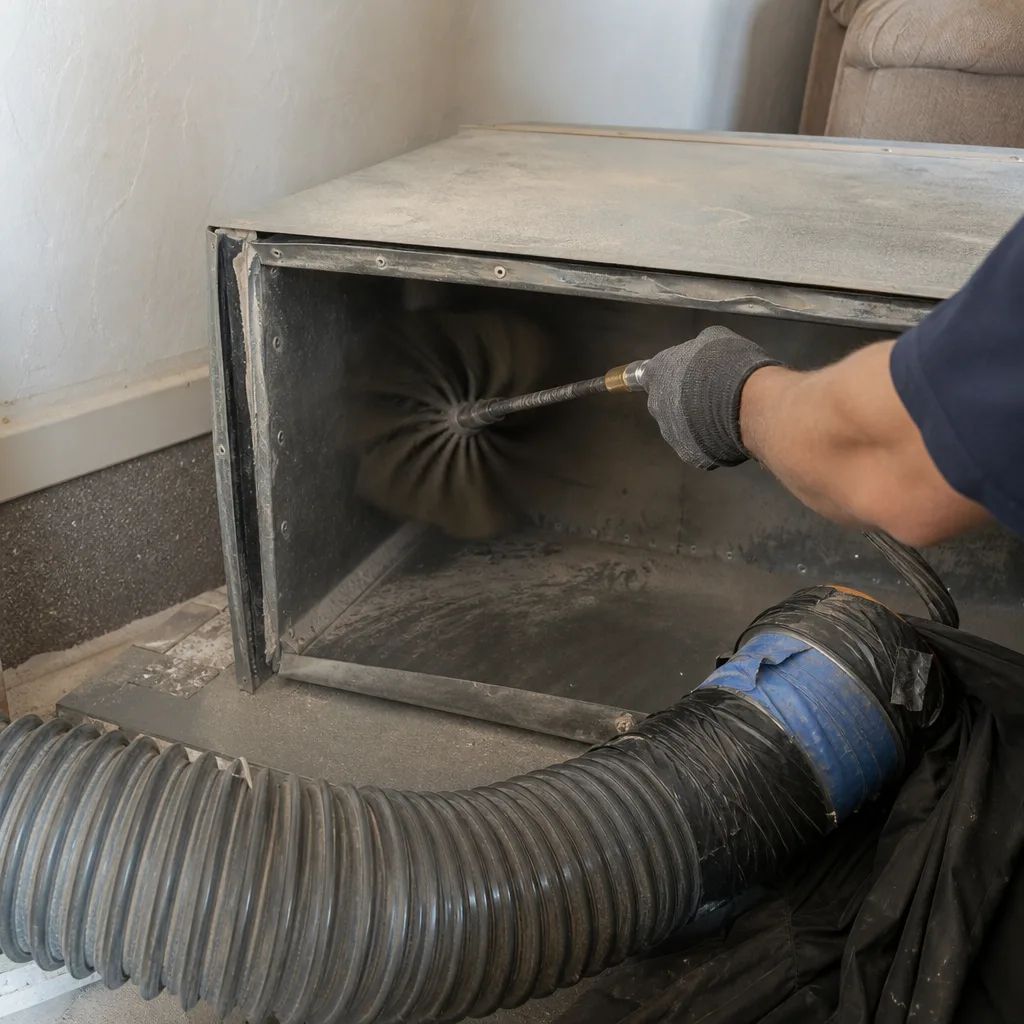
- Uneven cooling between rooms. When a Nikro-sealed duct run loses integrity, pressurized air escapes into the attic or wall cavity before reaching the register. The room at the end of that run warms first, often by 4 to 6 degrees against the thermostat reading.
- Dust blowout immediately after system startup. A failed seal pulls attic debris directly into the airstream. In Gilbert’s desert environment, that’s fine alkaline dust and often insulation fragments. The camera shows a clean duct trunk with debris packed against the first compromised joint downstream.
- Whistling or rushing air from behind walls or ceilings. Nikro aerosol seals harden and can crack after repeated thermal expansion cycles. The resulting gap creates turbulent airflow audible through drywall, especially when the blower ramps to stage two.
- Spiking summer electric bills with no thermostat change. Leaky ductwork forces the HVAC system to run longer to satisfy the thermostat. We’ve measured 18 to 30 percent runtime increases in Gilbert homes with failed Nikro seals, all of it wasted cooling the attic.
- Musty or chemical odor when AC engages. A breached seal can pull attic air past rodent droppings, old insulation, or in rare cases, degraded Nikro sealant residue itself. The smell hits strongest on first startup after the system’s been off overnight.
BeforeAfterReplacement Cost & What’s Included
| Scope | Typical Range |
|---|---|
| Single register seal repair, accessible | $340 - $460 |
| Multi-run Nikro seal restoration, attic access | $520 - $680 |
| Full system re-seal with pressure verification | $640 - $780 |
What drives the range: attic temperature at time of work, number of compromised joints, and whether the original Nikro sealant must be mechanically removed before reapplication. Every quote includes the part, labor, post-repair pressure test, and the Documented Photo Record of every accessed duct run. The 365-Day Done Right Promise covers labor and materials; if the seal fails within that window, we return and correct it at no charge, backed in writing on every job.
We do not quote per-vent or per-foot pricing. One flat price per system, agreed before work starts. That’s Haven Standard Clause 1, and it’s been our practice since 2013.
DIY or Call Us?
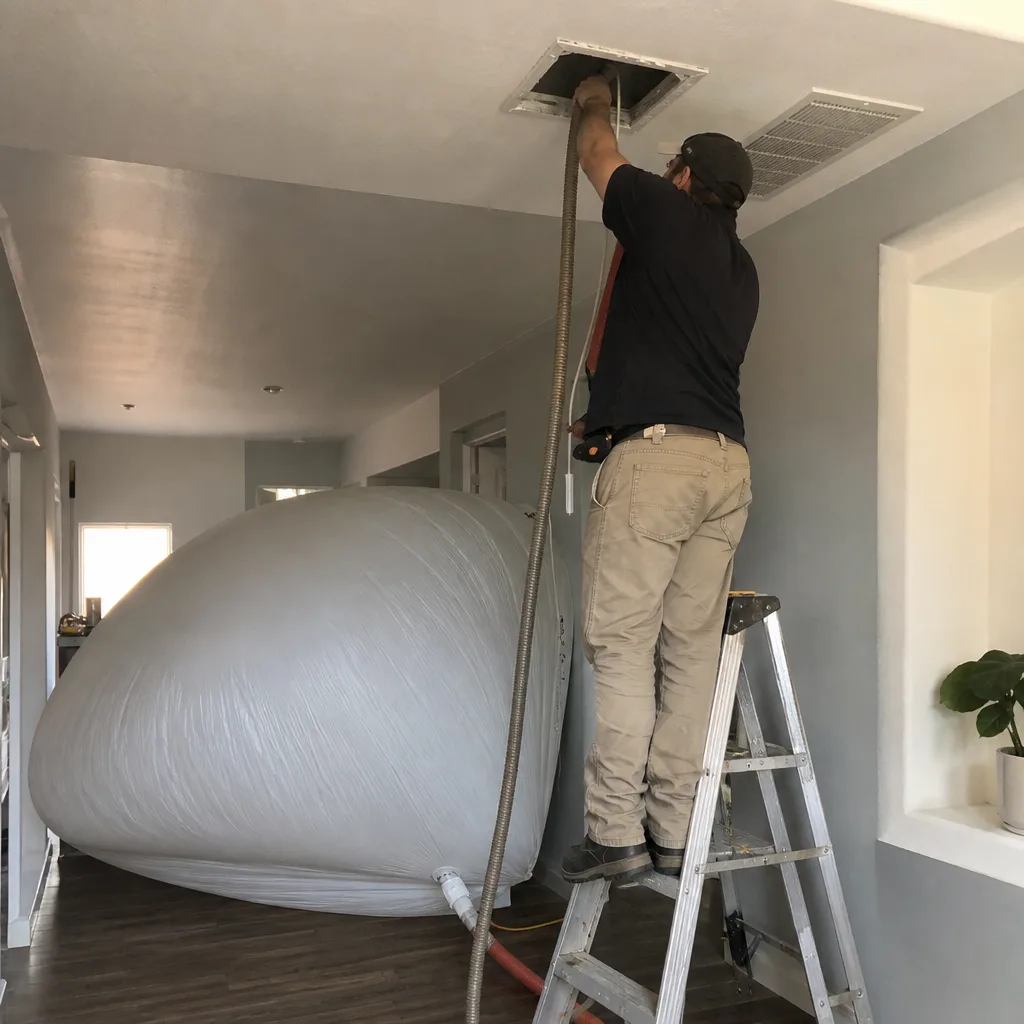
There’s a safe middle ground here, and then there’s the point where DIY becomes expensive guesswork.
What you can check safely: verify your Nikro model from the brass plate, inspect visible flex duct for obvious gaps or disconnected collars, and confirm your filter is clean so you’re not chasing a symptom caused by airflow restriction. A flashlight and a steady ladder are sufficient for this.
Where DIY goes wrong: aerosol duct sealing requires calibrated negative-pressure extraction equipment to apply sealant safely and verify the result. Without it, you risk over-pressurizing the ductwork, blowing sealant into occupied spaces, or missing leaks entirely because there’s no baseline pressure test. The Nikro SL-series systems also use heated sealant that requires temperature-controlled application, not a hardware-store brush and caulk. We’ve been called to redo homeowner attempts that cost more to correct than our original quote would have run.
If your symptoms match the list above, call (520) 666-7643. We’ll bring the right Nikro-compatible components, perform the pressure test, and show you the before-and-after photos before we pack up.
FAQs
Properly applied Nikro aerosol sealant typically holds 10 to 15 years, but Gilbert’s attic temperatures, which regularly exceed 140°F in July and August, accelerate thermal cycling stress. We’ve found seals in Power Ranch homes showing degradation at 8 years, while shaded or encapsulated attic installations often exceed the manufacturer’s baseline. Call (520) 666-7643 and we’ll assess your specific installation.
Small, accessible gaps in flex-duct collars can sometimes be resealed with compatible mastic and mesh, but aerosol-applied Nikro sealant that has cracked or delaminated requires full removal and reapplication to pass pressure testing. We don’t patch what we can’t guarantee. The written scope specifies which approach applies to your system before any work starts.
Most residential repairs run 2 to 4 hours from setup to final pressure verification, including the documented photo record. Full system re-seals on larger Gilbert homes may extend to 6 hours. We quote the time estimate in writing alongside the price.
Yes. We carry OEM Nikro gaskets, injection wands, flex-duct repair sleeves, and compatible aftermarket equivalents from Abatement Technologies on every service vehicle. For the SL-3000’s metric-thread post-2019 revision, we stock both thread standards to avoid return trips. If your system uses an uncommon Nikro configuration, we’ll verify stock before dispatch.
CleanRun Duct Repair & Cleaning is an independent service provider and is not affiliated with Nikro Manufacturing Company. We also stock parts for Lennox, Trane, and Carrier duct systems.
Written by Tomas Reyes, Owner & Lead Technician, CleanRun Air Duct Cleaning Gilbert at CleanRun Air Duct Cleaning Gilbert, serving Gilbert and nearby areas.