
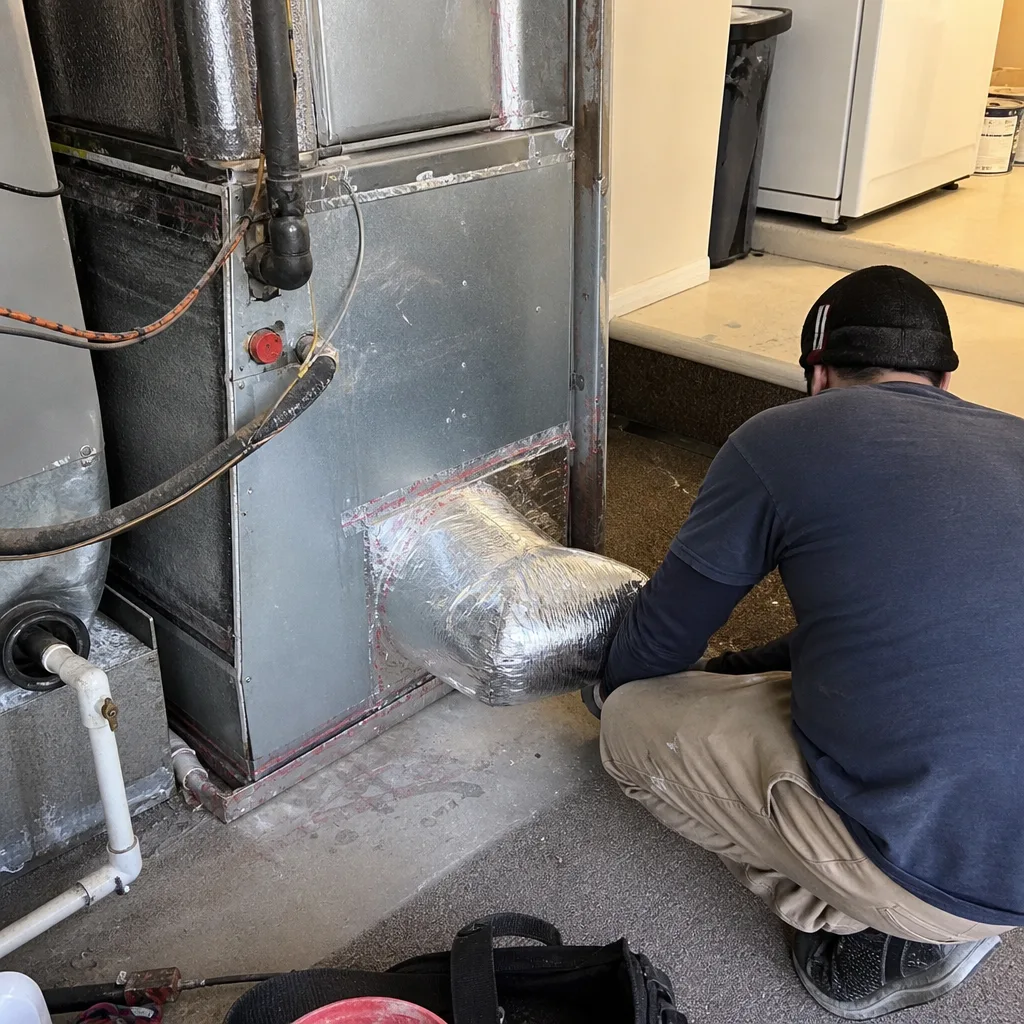
Whole-system duct and dryer vent check with before-and-after photos - you see exactly what came out of your vents
That "$99 whole-house special" is a bait ad - the real number appears once they are in your hallway, or the "clean" is a shop-vac at the register. We photograph the inside of your ducts before and after instead.
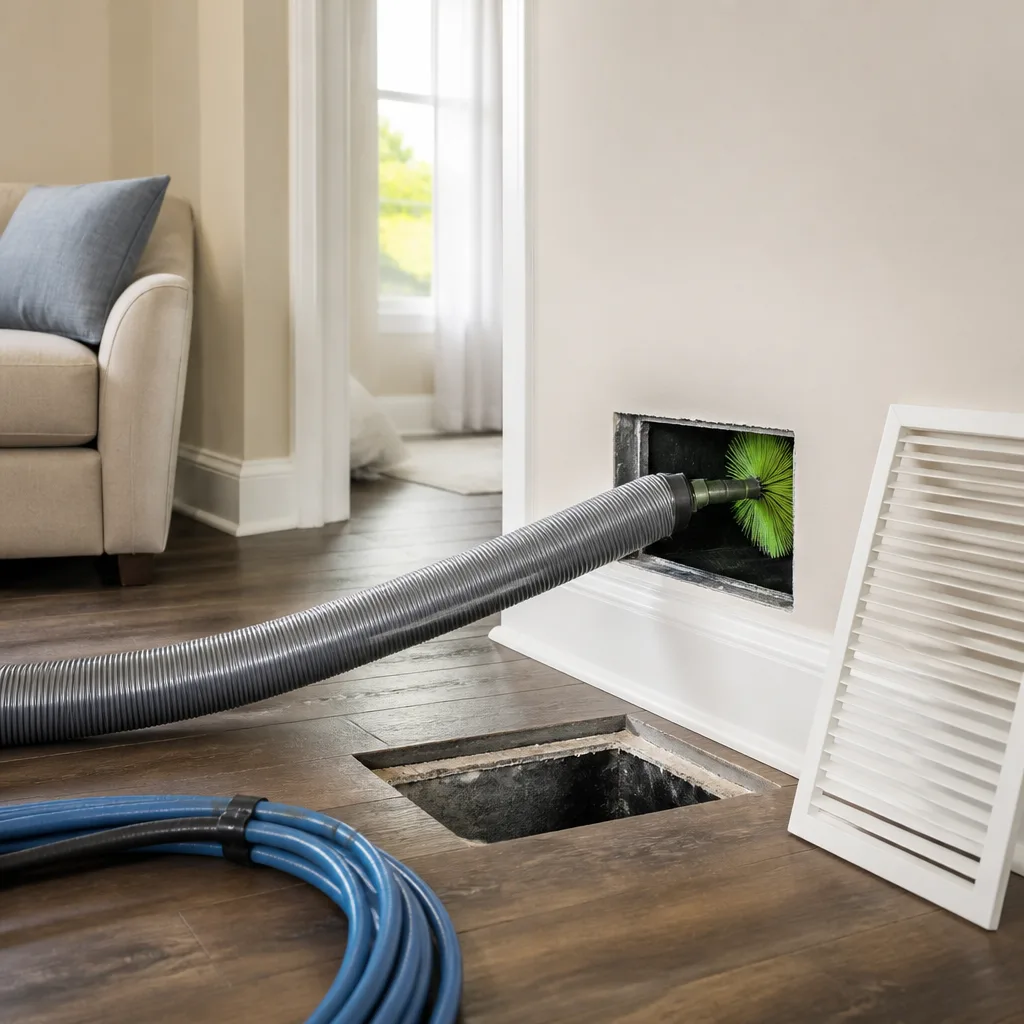
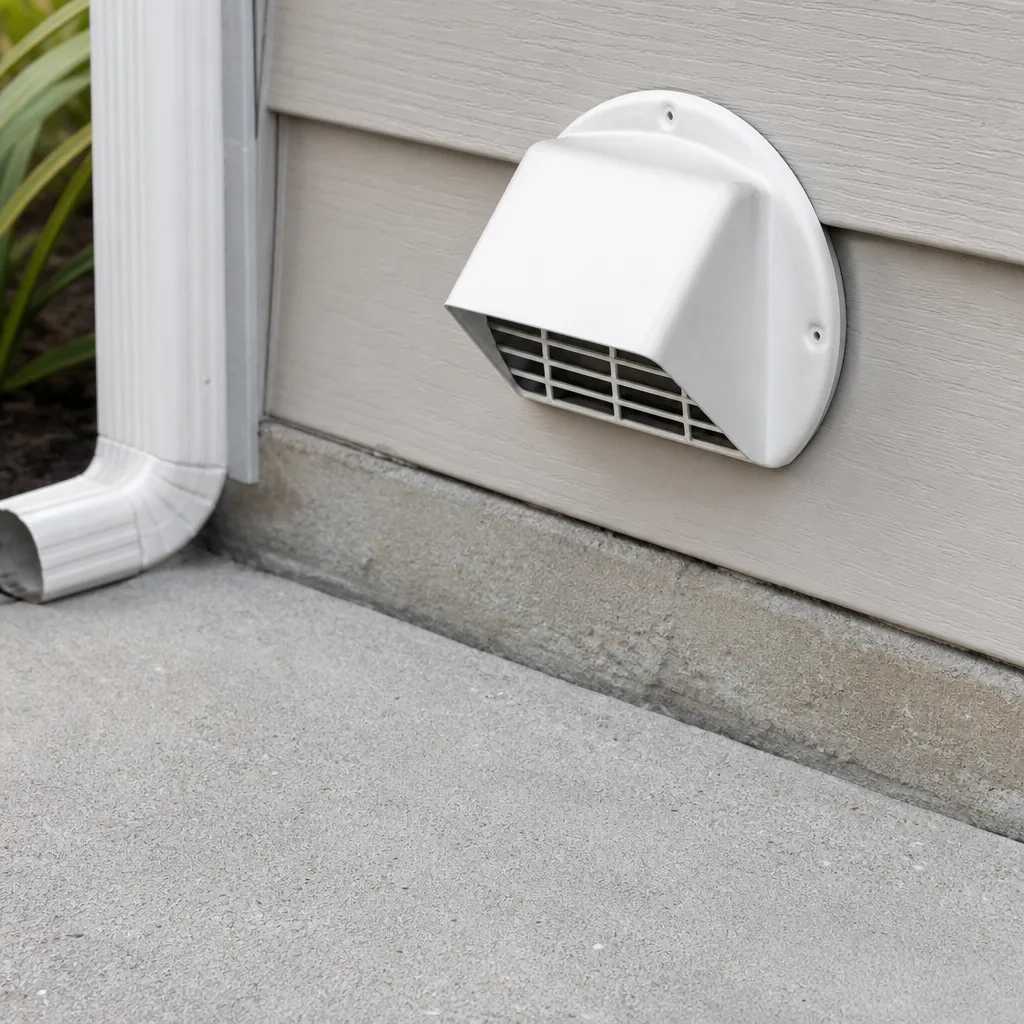
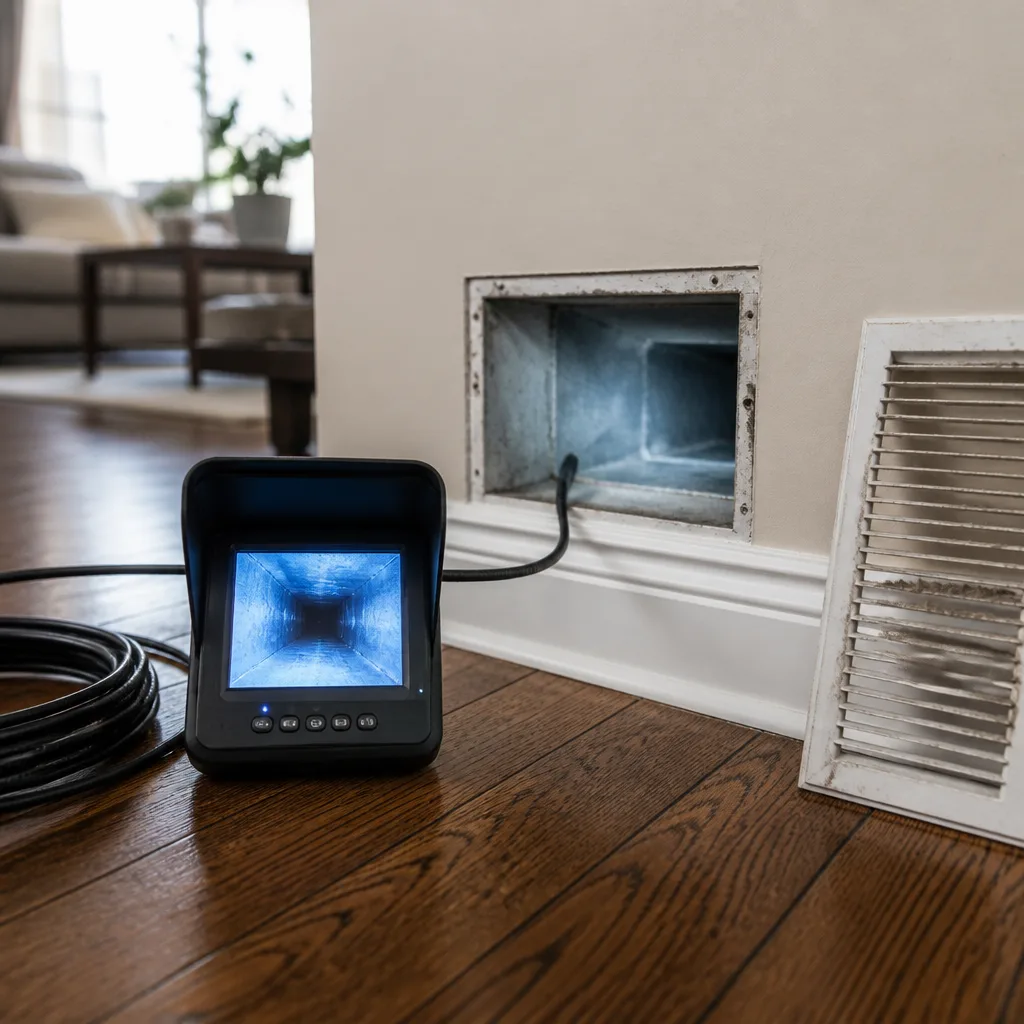
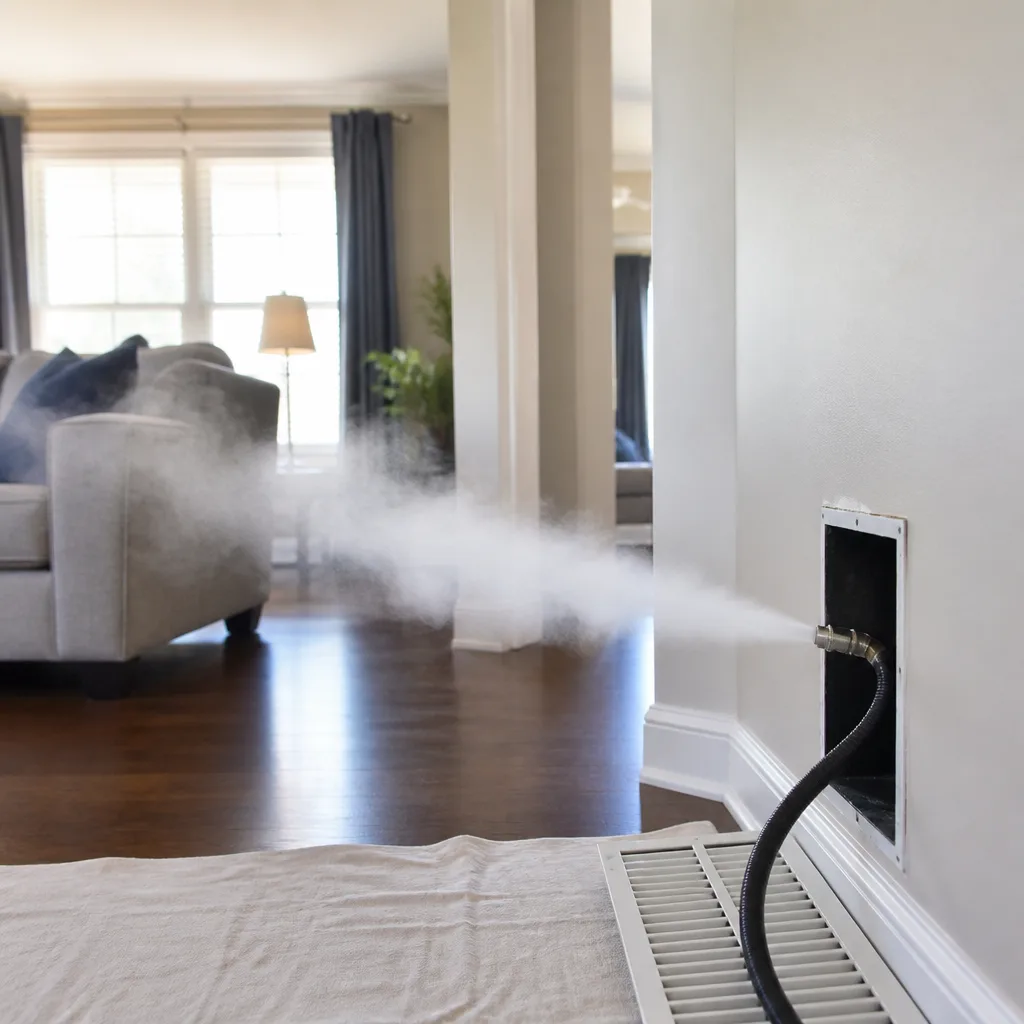
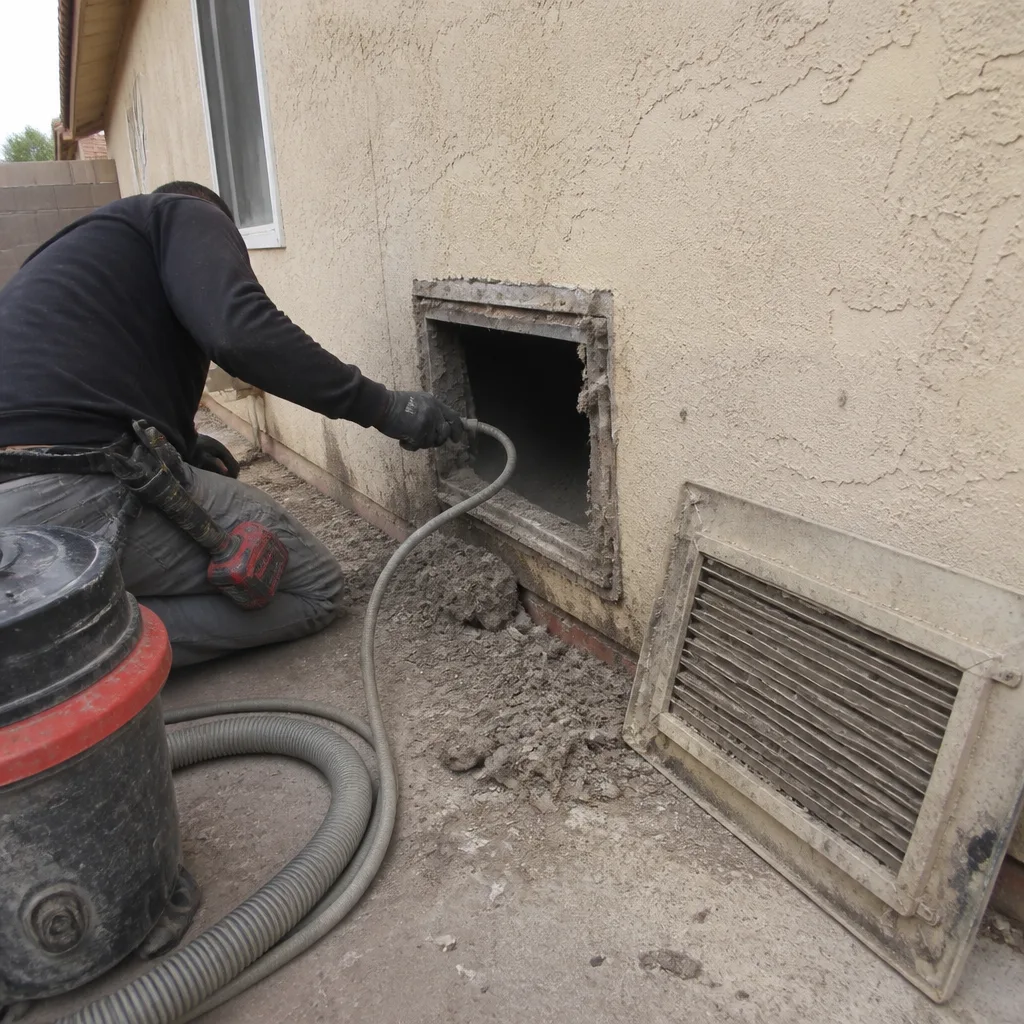 Before
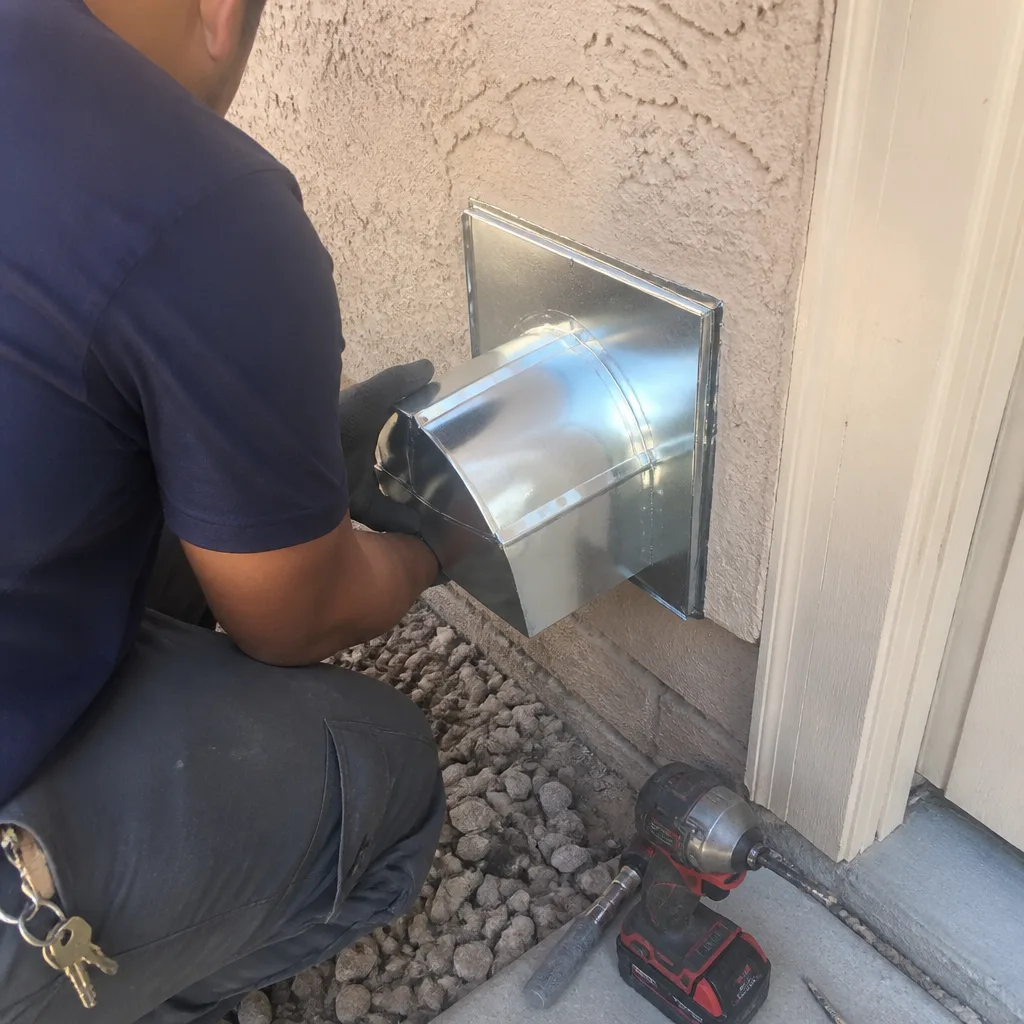 After
After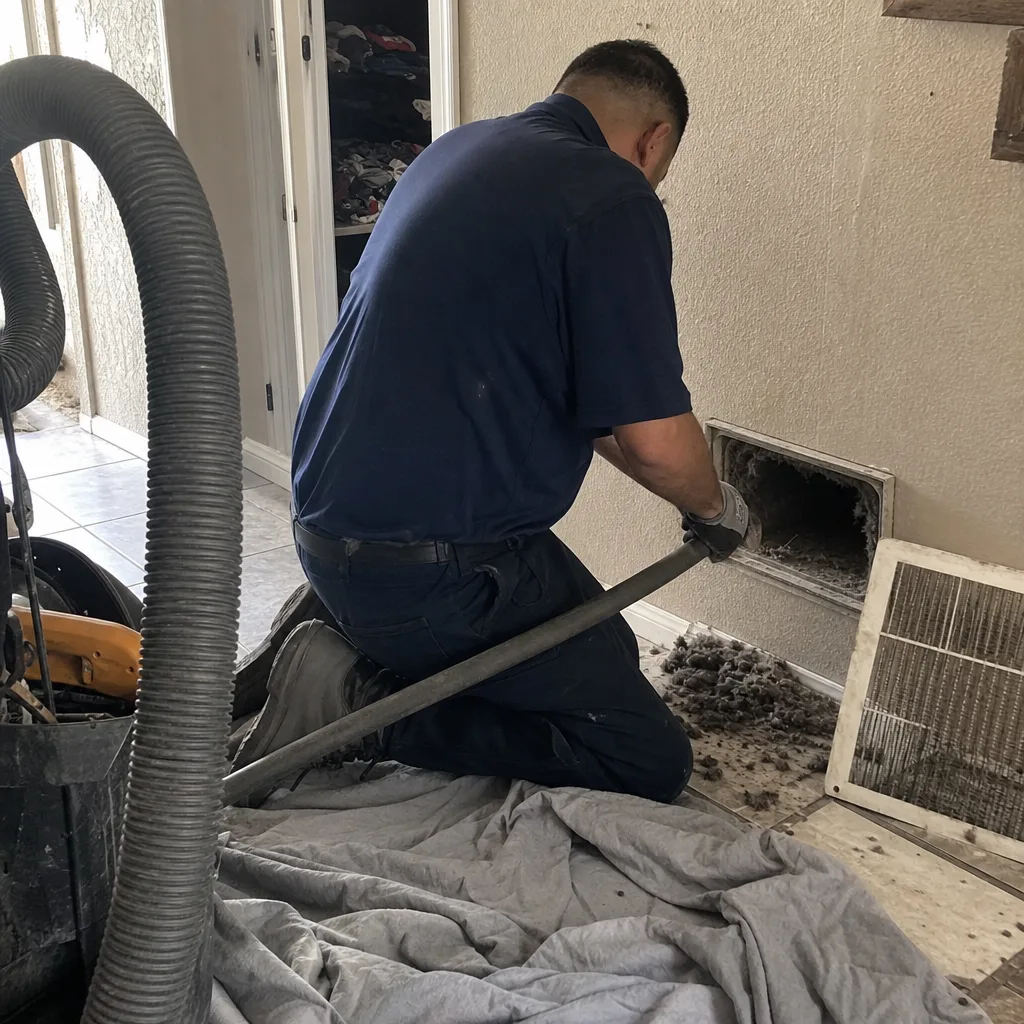 Before
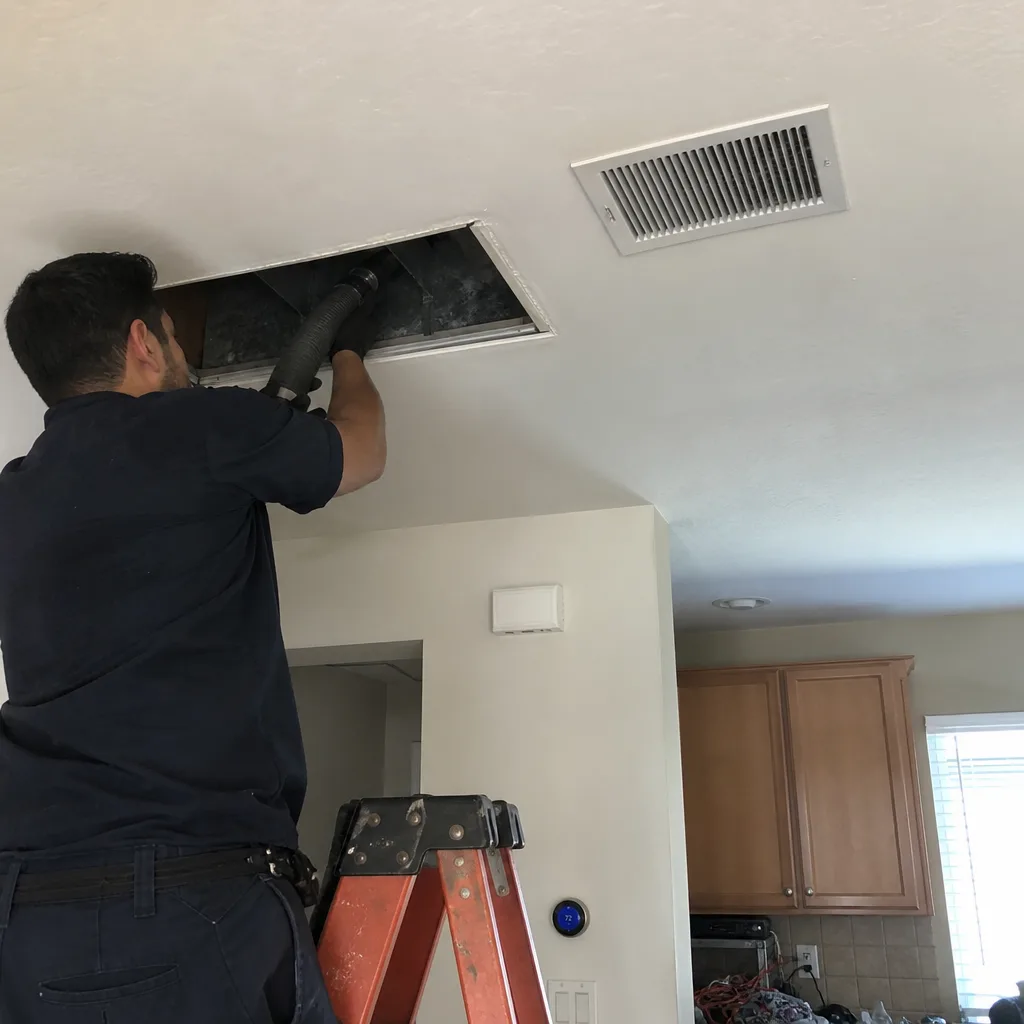 After
After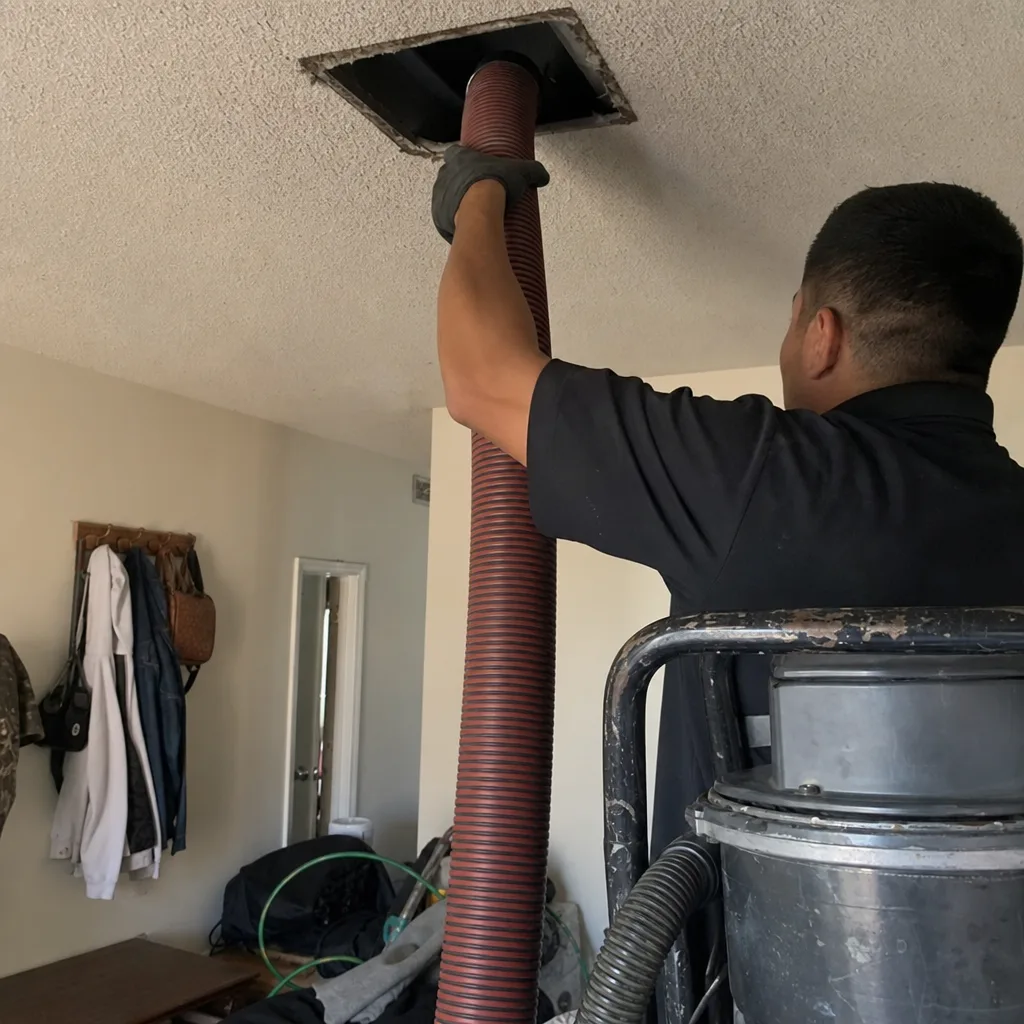 Before
 After
AfterHoneywell Duct Sealing & Repair: The Gilbert Owner’s Guide
We stock and install Honeywell-compatible duct sealing and repair components for residential systems across Gilbert, with most completed jobs running $340-$780 depending on linear footage and access difficulty. Same-day service is available when the part is on our truck, which it usually is for common Honeywell flex-duct and rigid-board configurations. Most Gilbert homeowners first notice the problem when a single room won’t hold temperature, or their summer APS bill jumps $40-$90 without explanation - the conditioned air is leaking into the attic through a failed seal before it ever reaches the register.
Which Honeywell Models This Applies To
Honeywell’s residential duct components break into two families: the older F50/F58 electronic air cleaner plenums (still common in Gilbert homes built 2005-2015) and the current FC100A and FC200E media filter cabinets that integrate directly with the return plenum. The critical compatibility gotcha is plenum depth - F50-series cabinets need a minimum 10-inch return drop, while FC100A units fit in 8-inch spaces but require a specific transition collar (Honeywell part 32000239-001 or equivalent) that many installers skip and silicone into place instead.
We carry both OEM Honeywell collars and aftermarket equivalents from DiversiTech and Larsen on the truck. For Gilbert’s hard water and high attic heat, we typically recommend the OEM collar - the powder coat holds up better at 140°F attic temps in July, and the gasket material doesn’t dry-crack the way some aftermarket EPDM does after three Arizona summers. To identify what you have, check the label inside the filter access door for a six-digit model code starting with F or FC. If the label’s faded (common), measure the cabinet width: 16×20, 16×25, 20×25, or 25×29 are the four Honeywell residential sizes, and each needs its own collar and seal kit.
CleanRun Air Duct Cleaning Gilbert is an independent service provider, not affiliated with Honeywell International. We also stock parts for Lennox, Trane, and Carrier systems.
Signs Your Honeywell Duct Sealing & Repair Is Failing
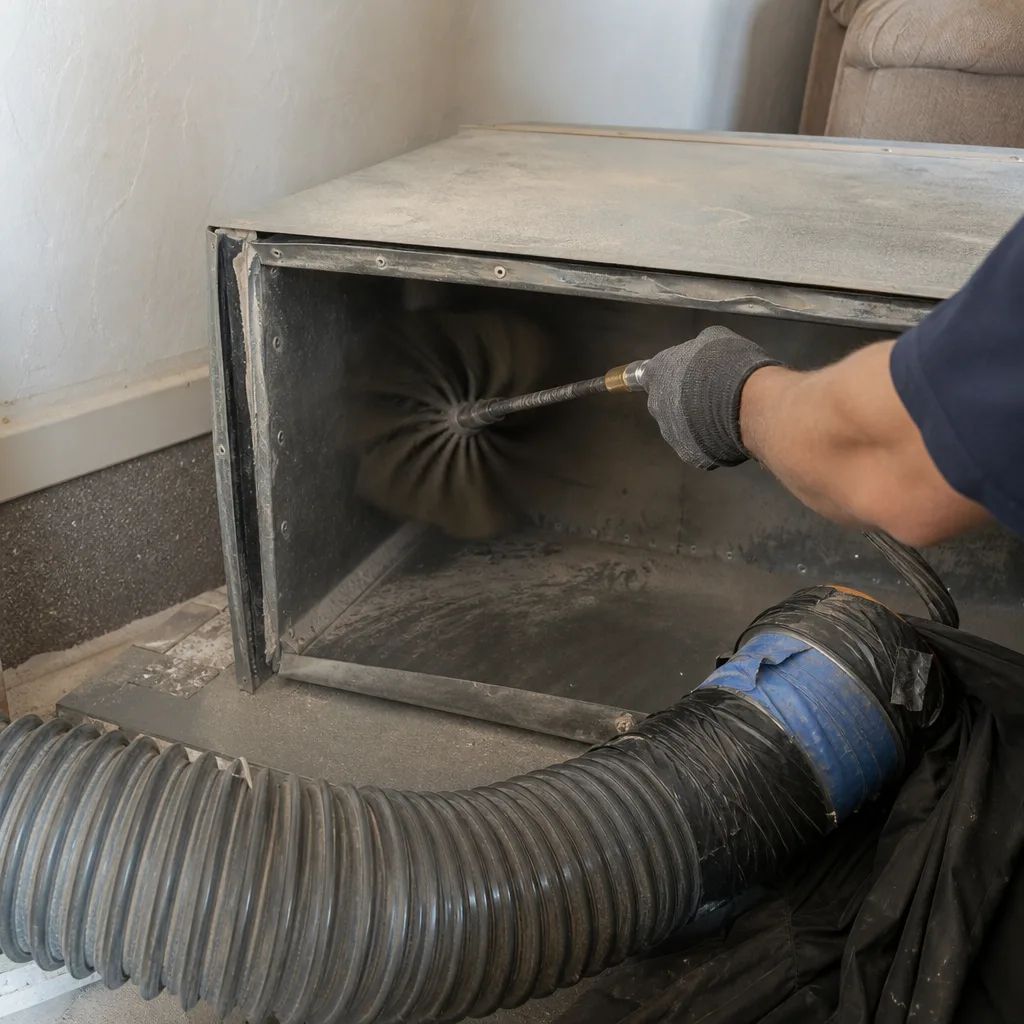
- Uneven room temperatures. One bedroom runs 8-12 degrees warmer than the thermostat setting while the rest of the house cools fine. This usually means the flex duct connection at the plenum has separated, dumping cooled air into the attic before it reaches that branch. In Gilbert’s Power Ranch neighborhood, we see this where original builder-grade zip-tie connections have fatigued.
- Dust streaking at ceiling registers. Dark gray or black lines on the ceiling paint around the register edges indicate the boot-to-drywall seal has failed, and attic air is being pulled into the room through the gap when the system runs. The camera shows fiberglass insulation fragments and desert dust collecting at the gap.
- Spiked summer energy bills with no rate change. APS bills climbing $50-$100 in July compared to the previous year, with the same thermostat setting, point to cumulative leakage at multiple plenum joints. Each 10% leakage adds roughly 15% to cooling load in a 2,000-square-foot Gilbert home.
- Whistling or rushing noise near the air handler. A new high-pitched sound when the blower kicks on means the return plenum has a split seam or the filter cabinet gasket has blown out. The system is pulling attic air through the breach, and the blower is working harder to maintain static pressure.
- Musty odor when the AC first cycles. Attic air entering through a failed seal carries cellulose insulation dust, rodent activity, and summer humidity into the supply stream. In Gilbert’s monsoon season, this gets worse as attic humidity spikes above 60% in August.
BeforeAfterReplacement Cost & What’s Included
| Service | Typical Range | What’s Included |
|---|---|---|
| Single register boot reseal | $180-$260 | Removal, mastic seal, insulated flex connection, photo record |
| Return plenum collar replacement (Honeywell OEM) | $340-$480 | OEM collar, gasket kit, mastic, pressure test, photo record |
| Full supply plenum reseal (up to 6 drops) | $580-$780 | All joints resealed, collars replaced as needed, pressure test, photo record |
| Additional register beyond base scope | $65-$95 each | Boot seal, flex connection, register alignment |
The range depends on three things: attic access (truss spacing, decking presence), whether the original installer used proper mechanical fasteners or just tape, and how many transitions need replacement versus resealing. Haven Standard Clause 1 applies here - we deliver a written price before any work starts, every time. The $340-$780 range is what you’ll see on the written scope; there’s no per-vent add-on that inflates the total once we’re on site. Every job includes the Documented Photo Record of every duct run, before and after, delivered as part of the standard job record. Work is backed by the 365-Day Done Right Promise, in writing on every invoice.
DIY or Call Us?
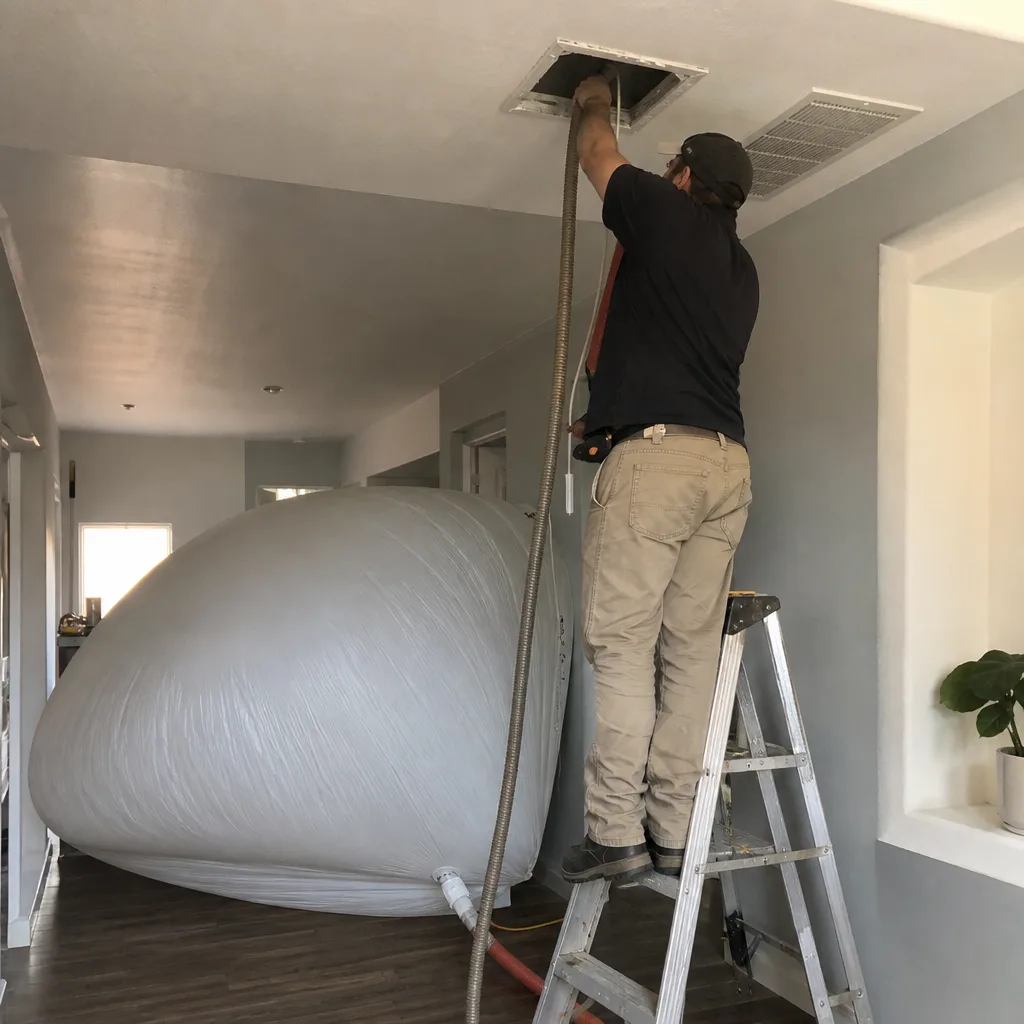
There’s a safe middle ground and a hard stop. Homeowners can visually inspect their own attic ductwork with a flashlight - look for disconnected flex, tape that’s turned to dust, or daylight showing through plenum seams. Check the filter cabinet for a visible gasket gap when the blower runs. What you find, photograph. That documentation helps whether you call us or not.
Where DIY ends: mastic application on a hot attic plenum requires working at height on potentially compromised decking, and disturbing old fiberglass without proper respirator and suit exposure is not worth the savings. More critically, if your system uses a Honeywell electronic air cleaner (F50/F58 series), the 120V wiring to the power head runs through the plenum collar - disconnection without lockout procedure risks shock. We don’t recommend homeowners handle this. The photo tells you what’s in there. The price tells you what it costs to fix it. Everything else is just paperwork. For a written scope and exact price, call (520) 666-7643 - estimates are free, and we answer live.
FAQs
Properly installed mastic seals with mechanical fasteners last 15-20 years in Gilbert’s climate; tape-only jobs fail in 3-7 years due to attic heat cycling. The OEM gasket on a Honeywell FC100A cabinet typically needs replacement at 8-12 years. Call (520) 666-7643 and we’ll inspect what you have and give you a written assessment.
Small gaps at existing mastic joints can be resealed if the original application was thick and intact; failed tape, degraded gaskets, or separated flex connections need replacement - patching over them fails again within a season. We photograph the condition and show you which category you’re in before quoting.
Most single-collar or partial reseal jobs run 2-3 hours; a full supply plenum reseal on a 2,000-square-foot home takes 4-5 hours including setup, pressure testing, and photo documentation. You’ll get a time estimate in writing with the price.
We stock the four standard FC100A/FC200E collar sizes, universal gasket kits, and mastic/sealant for same-day completion on most Gilbert calls. Specialty F50-series power heads or custom transition sizes are next-day from our Phoenix supplier. We’ll confirm stock when you call (520) 666-7643.
Written by Tomas Reyes, Owner & Lead Technician, CleanRun Air Duct Cleaning Gilbert at CleanRun Air Duct Cleaning Gilbert, serving Gilbert and nearby areas.