
Last updated September 23, 2026
Whole-system duct and dryer vent check with before-and-after photos - you see exactly what came out of your vents
That "$99 whole-house special" is a bait ad - the real number appears once they are in your hallway, or the "clean" is a shop-vac at the register. We photograph the inside of your ducts before and after instead.
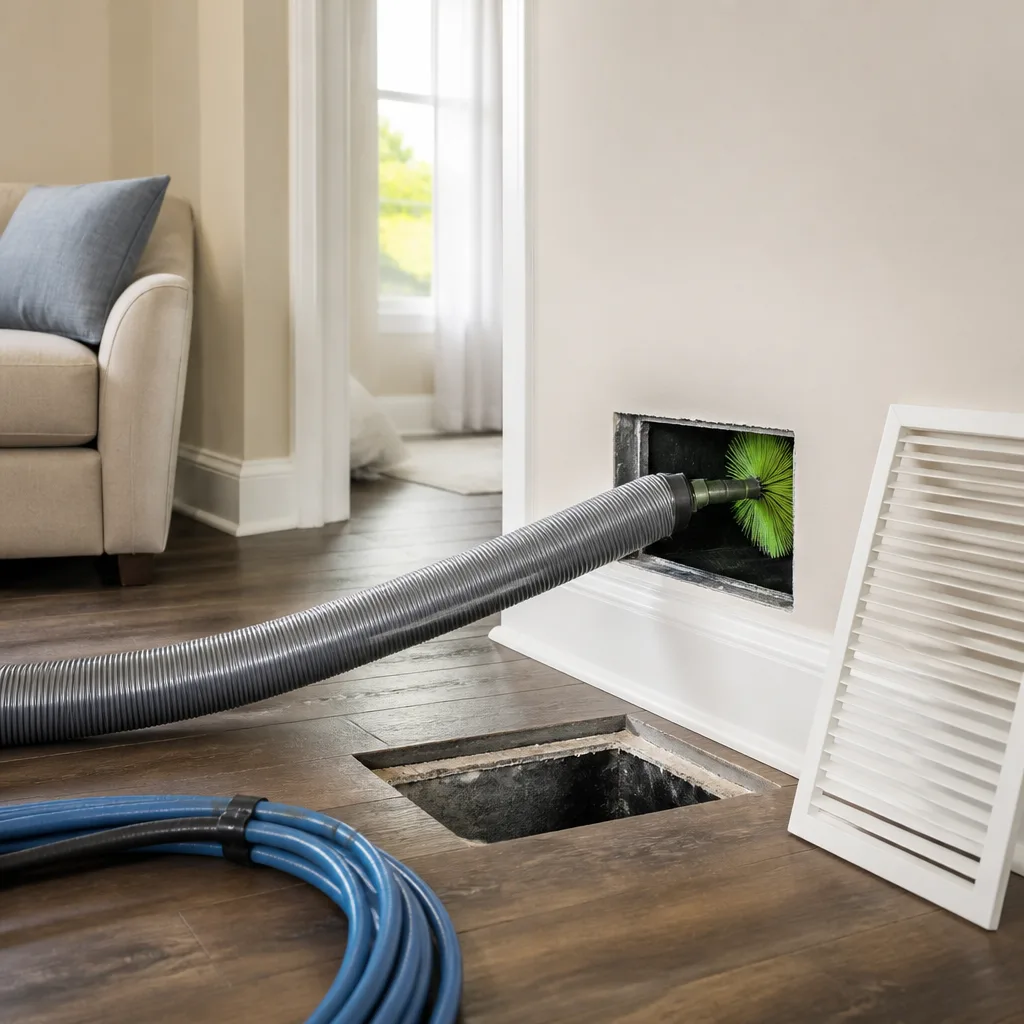
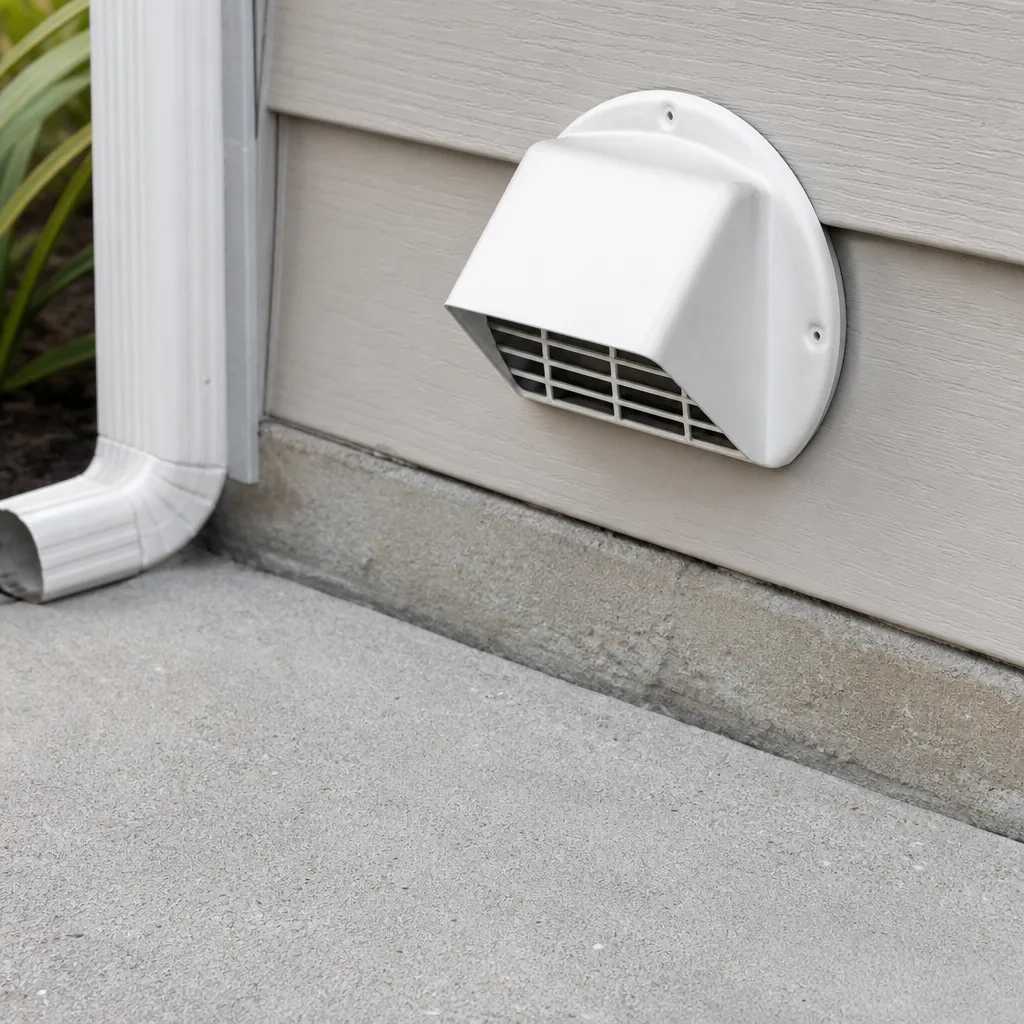
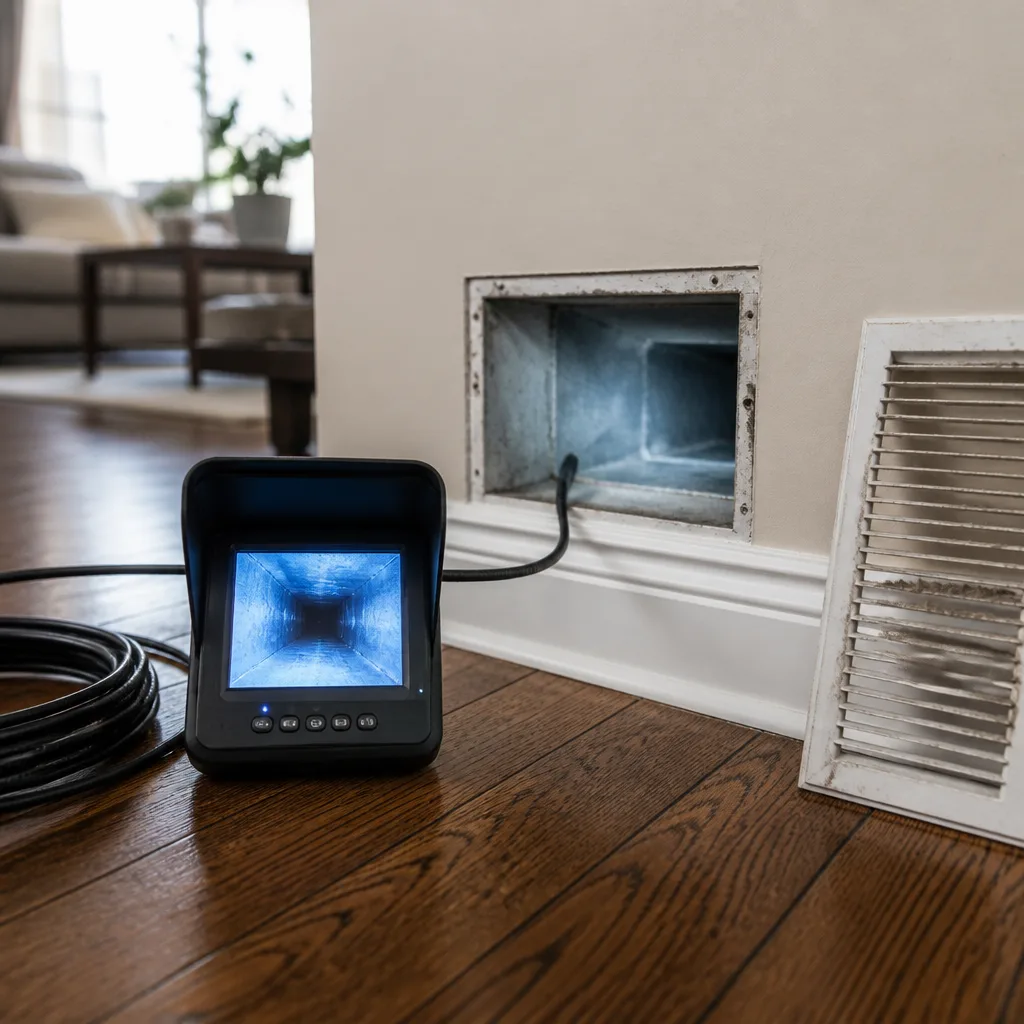
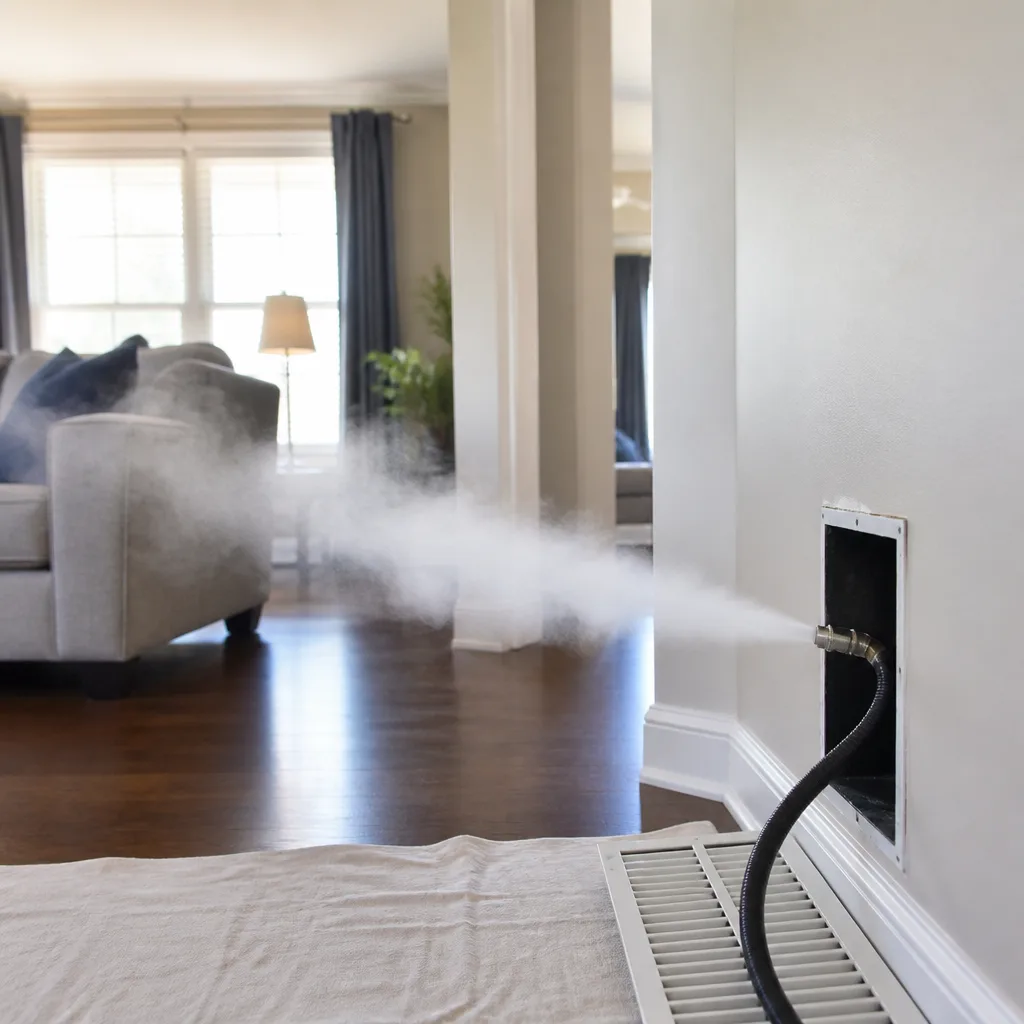
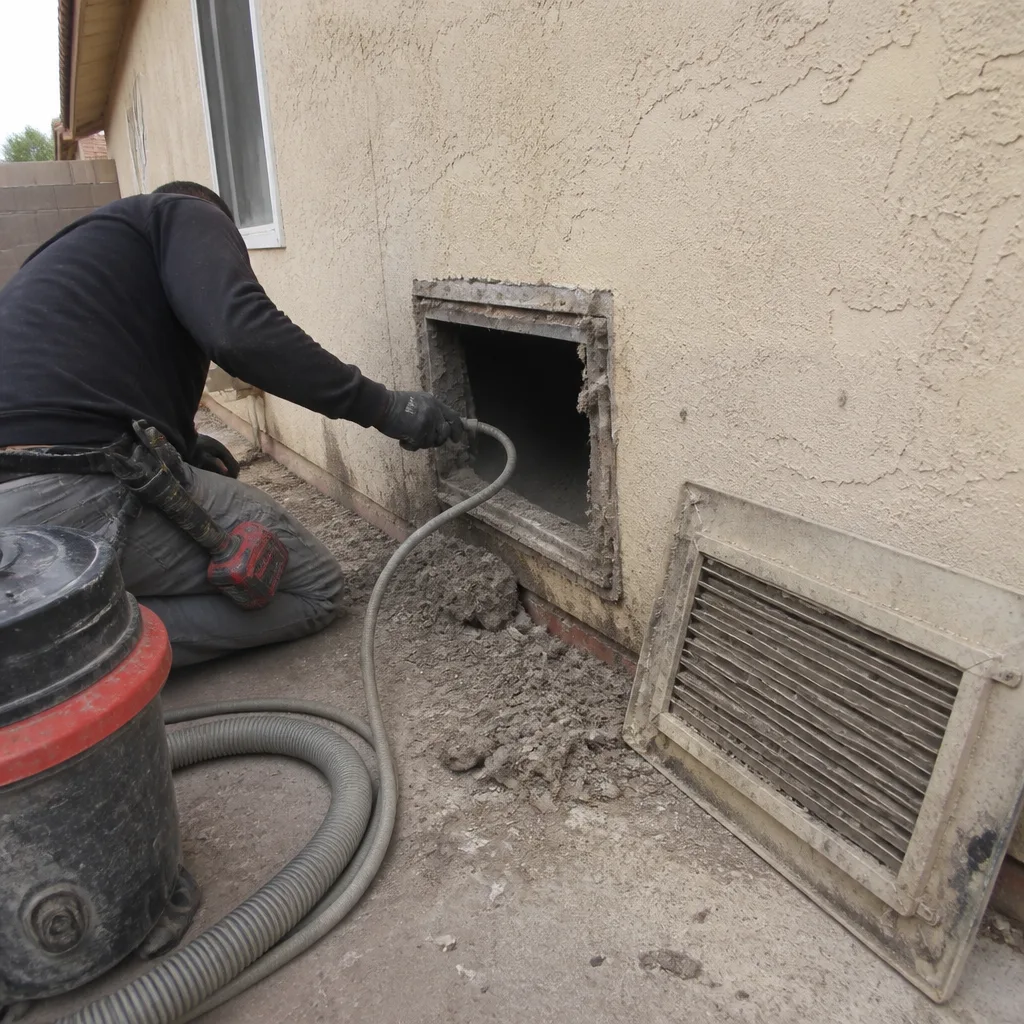 Before
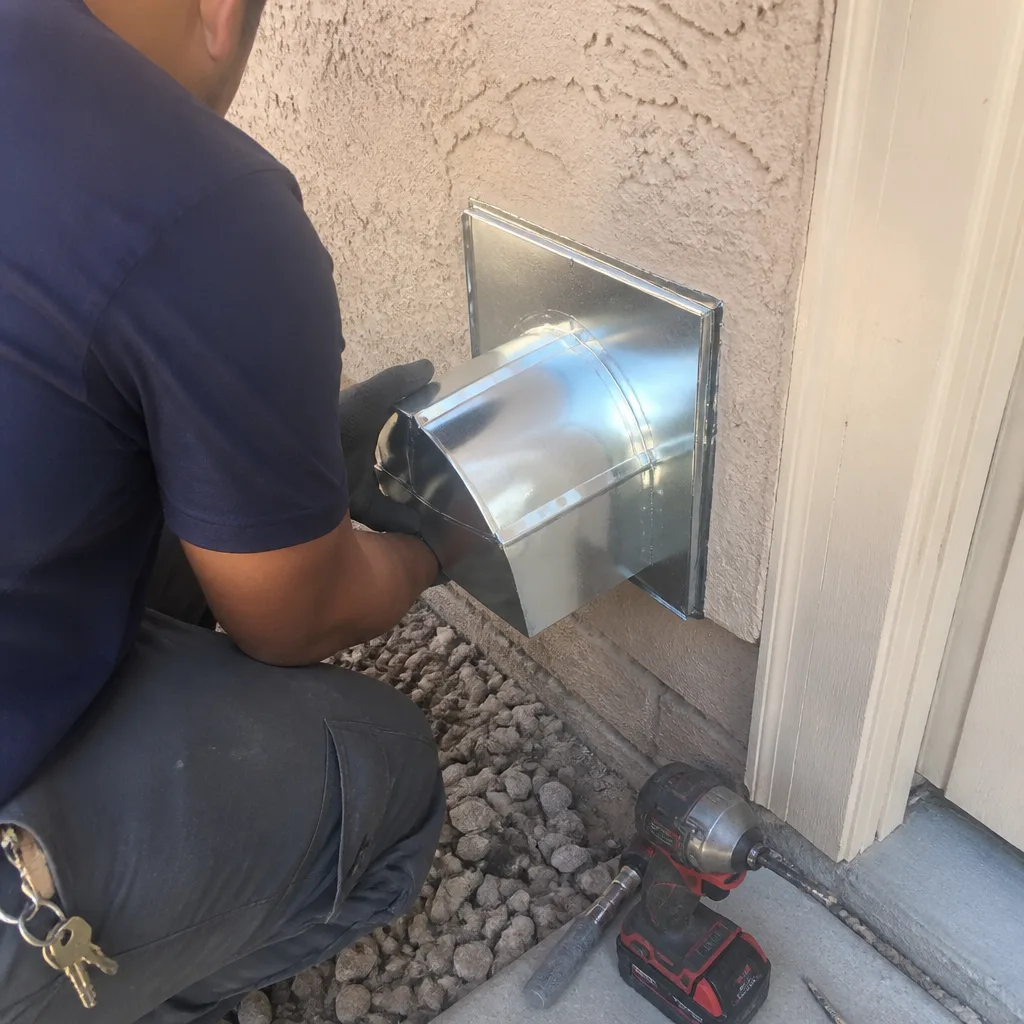 After
After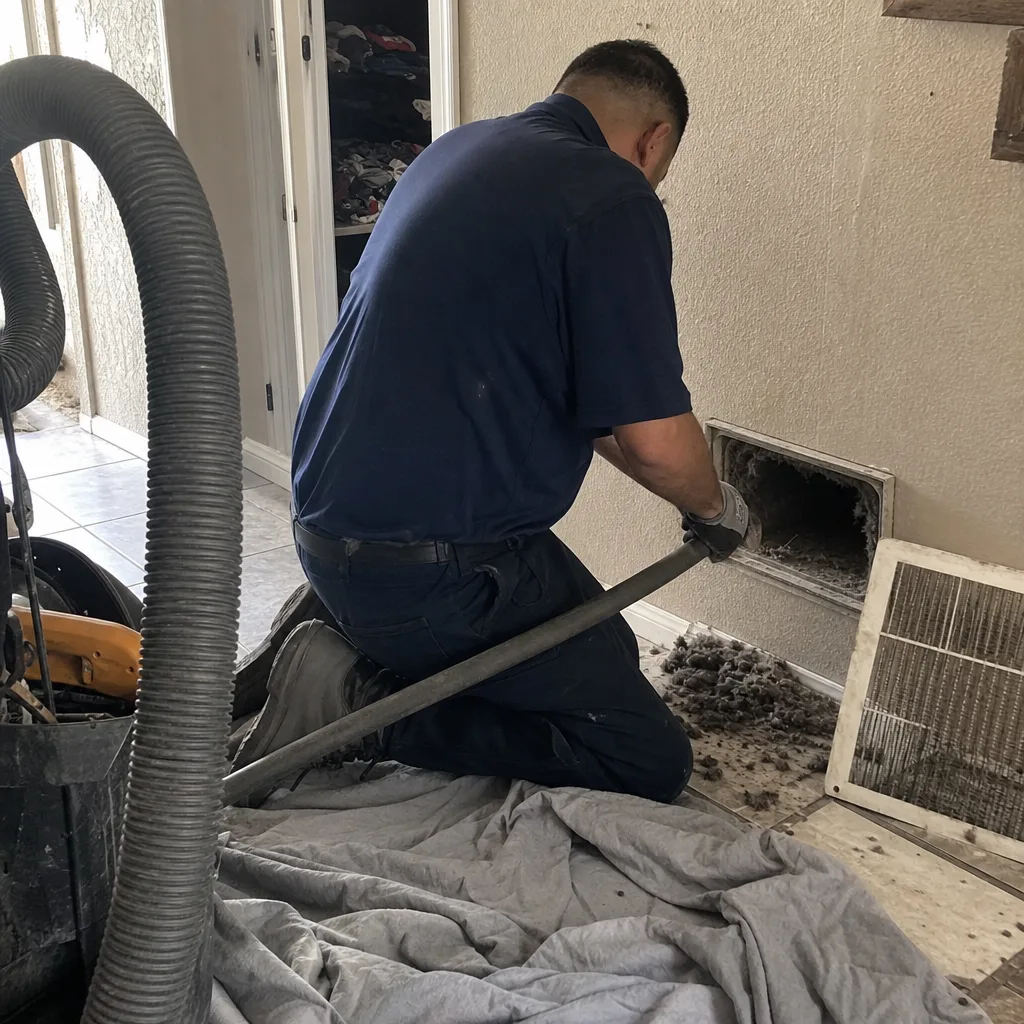 Before
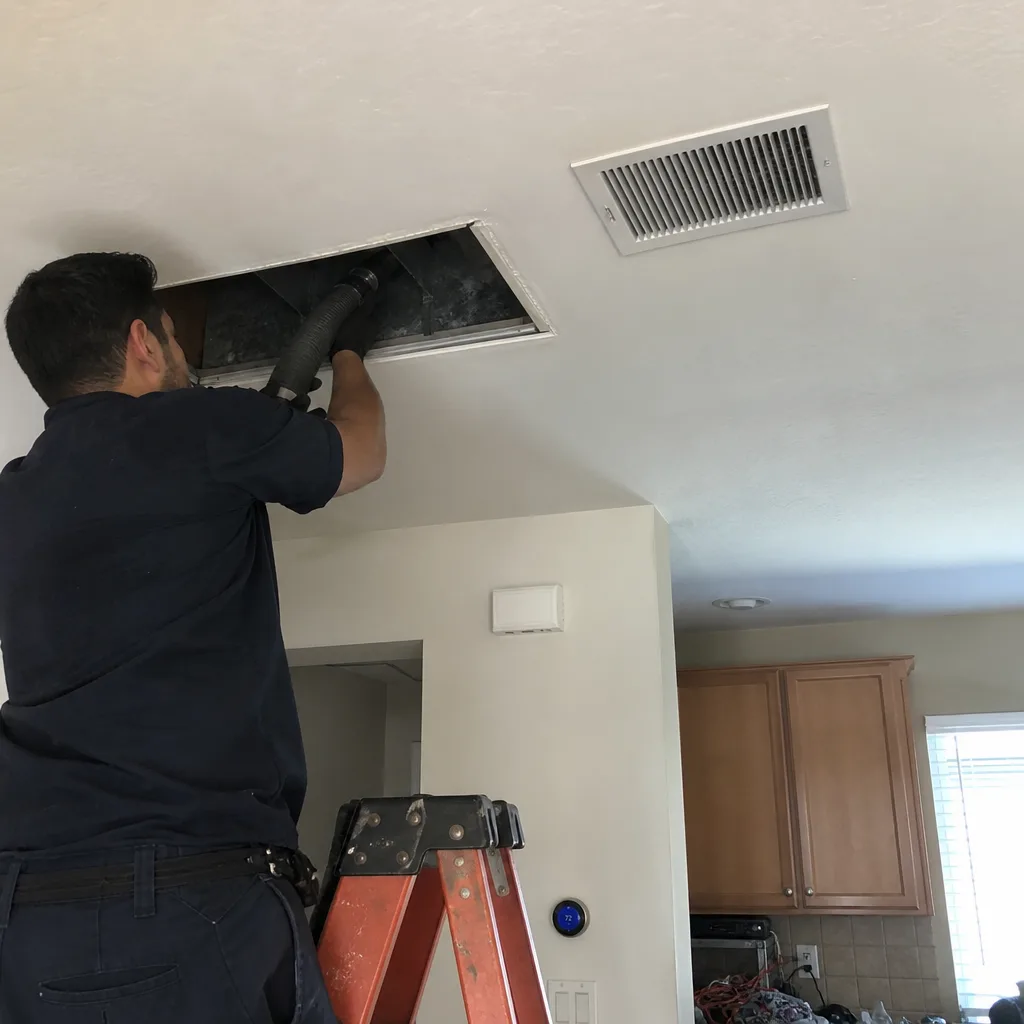 After
After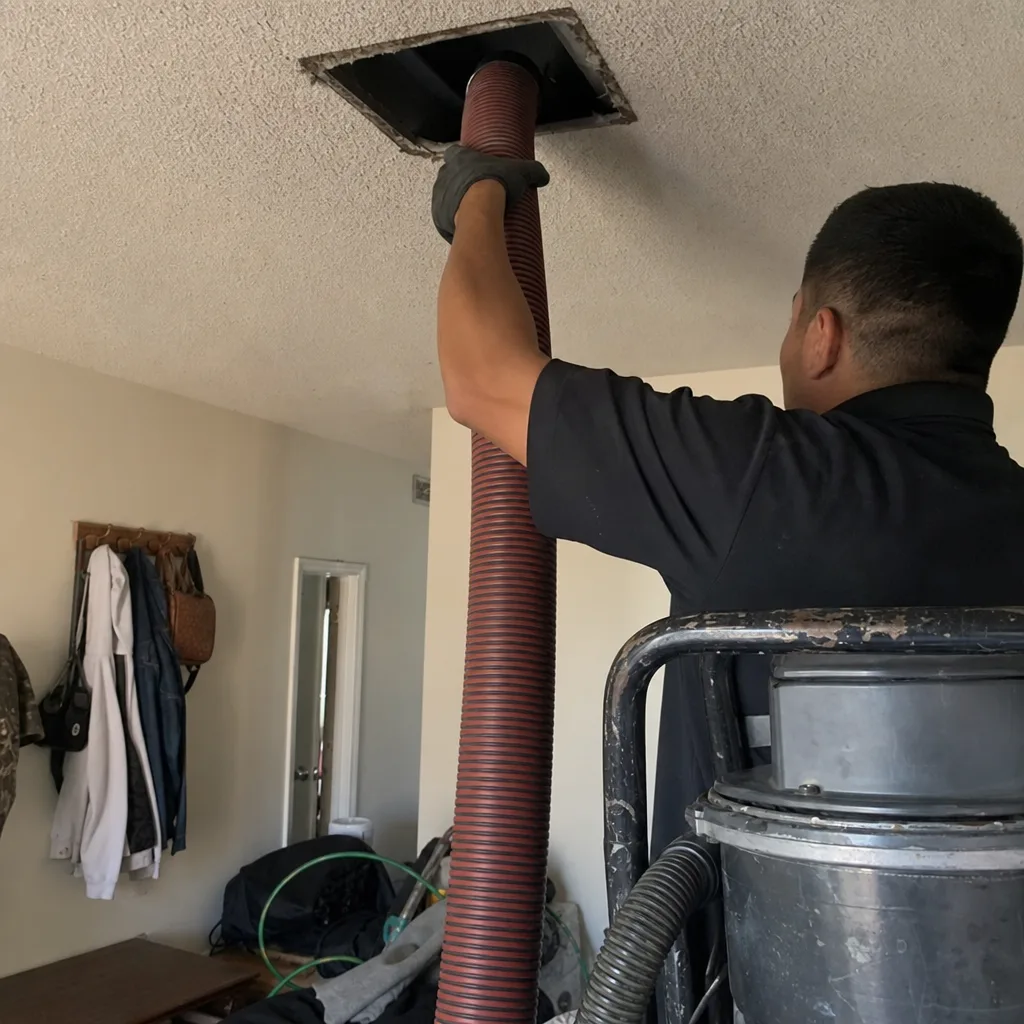 Before
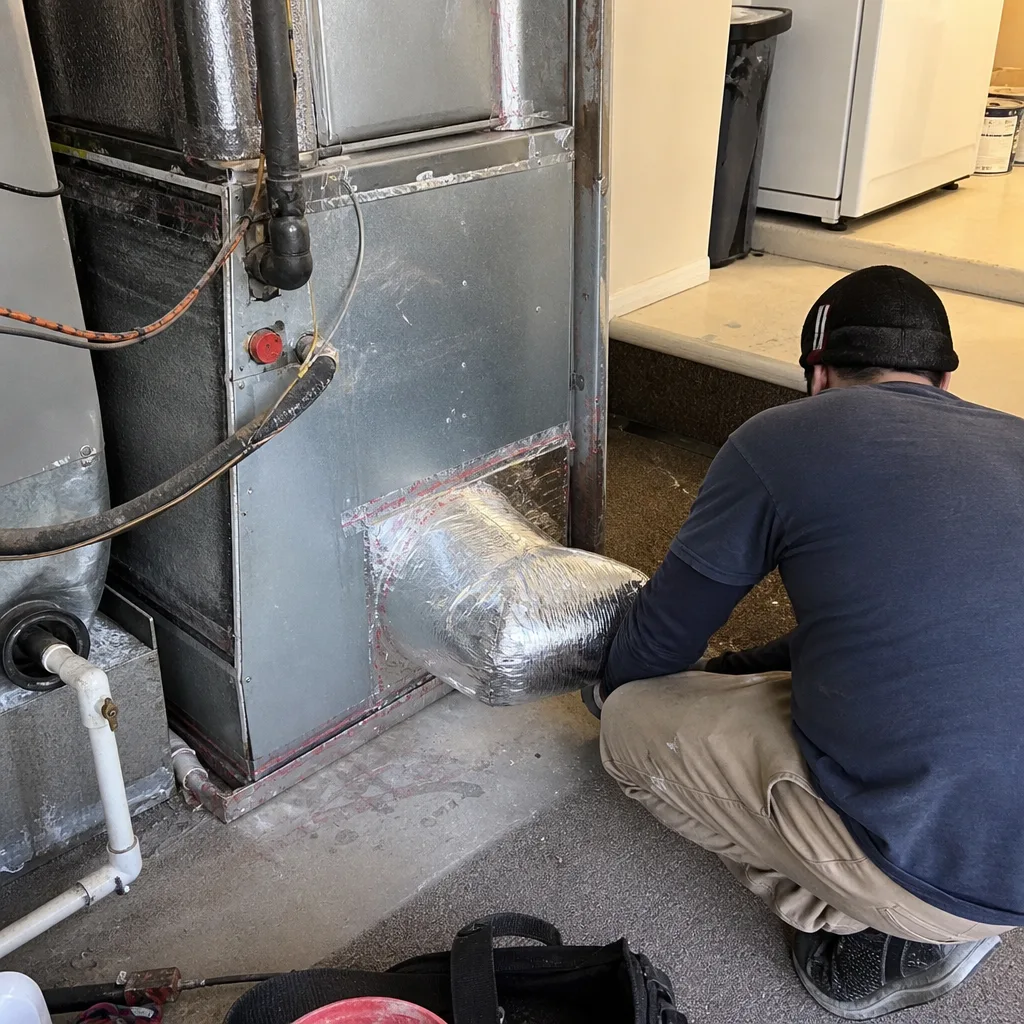 After
AfterAir Duct Cleaning Cost Breakdown: The Gilbert Homeowner’s Reference for 2026
A $79 duct cleaning in Gilbert covers, on average, a truck with a shop-vac, one technician, and 45 minutes of labor. That price point is physically incapable of producing a source-removal clean on a 2,000-square-foot home with 18 registers. The real spread in Gilbert’s market, $79 to $1,200, doesn’t reflect competition for the same service. It reflects entirely different scopes of work, equipment classes, and completion standards. This guide breaks down what each price tier actually buys, what variables move legitimate quotes up or down, and how to read a written estimate so the final invoice matches the number you agreed to. For more guides & resources, visit our blog.
Quick Answer
Professional Air Duct Cleaning services in Gilbert cost $380 to $780 for a complete source-removal clean on a typical 1,800 to 2,500 square foot home in 2026. The final price depends on total linear feet of ductwork, number of registers and returns, accessibility (attic routing versus interior chases), and whether dryer vent cleaning or antimicrobial treatment is included. A legitimate scope requires negative-pressure extraction equipment, two technicians, and 2.5 to 4 hours on site.
Table of Contents
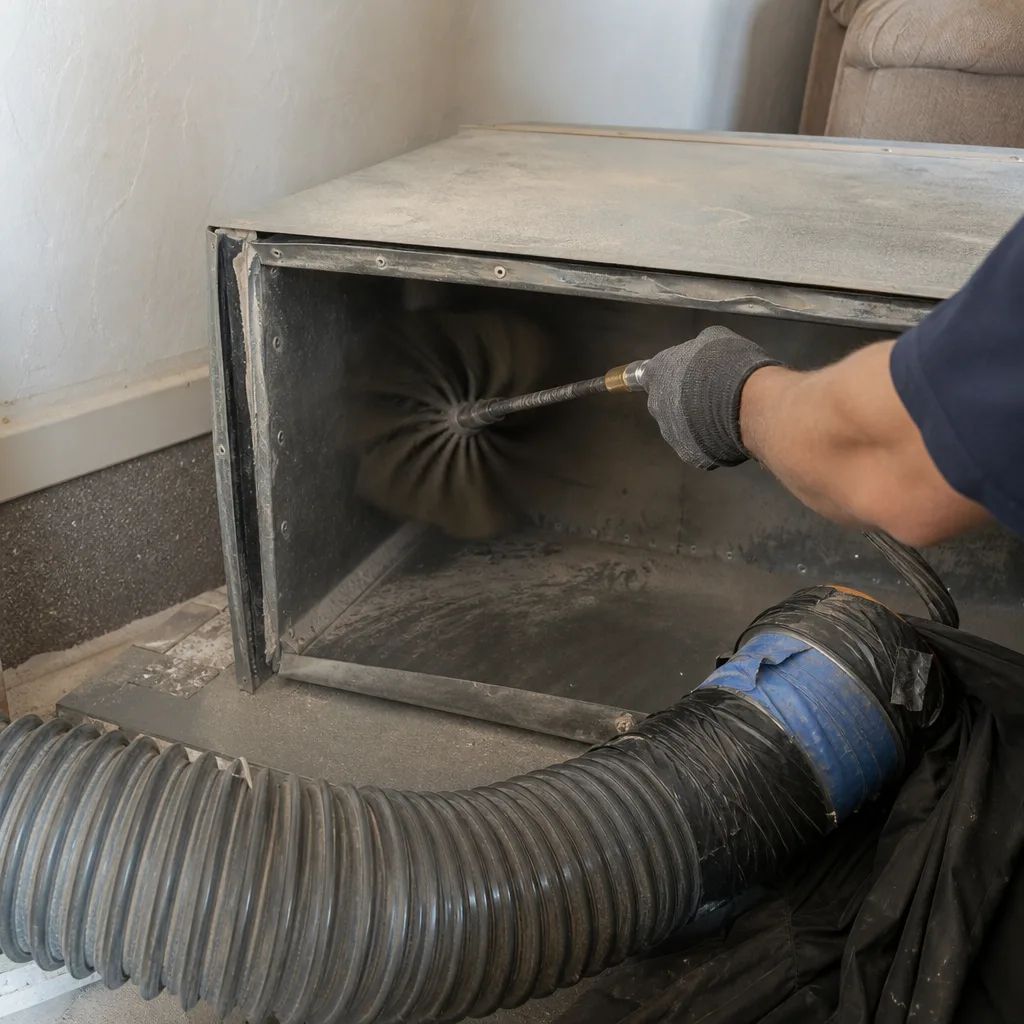
- What the Price Tiers Actually Mean: $79, $299, and $800+
- Line-Item Breakdown: Where Your Money Goes
- How Your Home’s Design Affects Pricing
- When Repair Costs Legitimately Appear Mid-Job
- How a Written Price Guarantee Controls Final Cost
- Equipment Standards: What the Tools Actually Do
- Gilbert-Specific Market Factors
- Choosing Between Quotes: A Checklist
BeforeAfterWhat the Price Tiers Actually Mean: $79, $299, and $800+
The duct cleaning market in Gilbert sorts into three distinct tiers. Understanding the mechanical reality behind each price prevents the common mistake of comparing incomparable services.
The $79-$149 Tier: Surface Cleaning, Not Source Removal
This price covers a portable vacuum unit, typically a modified shop-vac or small carpet-extraction machine, operated by one technician for 45 to 90 minutes. The equipment generates insufficient airflow (under 2,000 CFM) to create negative pressure throughout a residential duct system. The technician can reach visible debris near registers and the main plenum (the central distribution box where heated or cooled air first enters the duct network), but cannot agitate and extract buildup from the full length of duct runs (the individual supply and return lines branching to each room).
The math is straightforward. A 2,000-square-foot Gilbert home with 18 registers and a standard trunk-and-branch layout contains roughly 120 to 150 linear feet of ductwork. At 45 minutes on site, that’s 2.5 minutes per register, including setup and breakdown. No agitation tools, no camera inspection, and no photo documentation are included. The debris remains in the system.
We’ve serviced homes in Gilbert’s Seville and Power Ranch neighborhoods where a previous $99 cleaning left the camera showing 2-inch debris buildup at the first elbow of nearly every duct run. The homeowner paid for a service that produced a receipt, not a clean system.
The $250-$450 Tier: Partial Scope or Discounted Full Scope
This tier presents the widest quality variance. Some operators in this range use legitimate negative-pressure equipment but limit the scope to supply ducts only, omitting return ducts and the air handler. Others offer a full-scope promotional price that recovers margin through aggressive upselling once inside the home.
The critical question for this tier: does the written scope include all duct runs, both supplies and returns, plus the plenum and air handler cabinet? If the estimate lists “10 supply vents cleaned” without mentioning returns, the scope is partial by design.
The $380-$780 Tier: Complete Source-Removal Clean
This is the legitimate full-scope range for Gilbert homes in 2026. It includes:
- Negative-pressure extraction at 4,000+ CFM using truck-mounted or dedicated portable systems from manufacturers like Nikro or Abatement Technologies
- Mechanical agitation tools (whips, brushes, compressed-air snouts) to dislodge adhered debris
- Camera inspection of duct runs before and after cleaning
- Documentation of findings and results
- Two technicians, 2.5 to 4 hours on site
- Full scope: all supply ducts, all return ducts, plenum, and accessible air handler components
Homes at the upper end of this range typically have complex duct configurations, attic routing requiring additional access points, or included add-ons like dryer vent cleaning.
The $800-$1,200+ Tier: Large Homes, Complex Access, or Bundled Services
This tier applies to homes over 3,500 square feet, properties with zoned systems (separate duct networks for different areas), or jobs bundling duct repair, sealing, or antimicrobial treatment. In Gilbert’s Agritopia and Whitewing at Higley communities, where custom homes often exceed 4,000 square feet with elaborate ceiling designs, legitimate quotes regularly reach this range.
Line-Item Breakdown: Where Your Money Goes
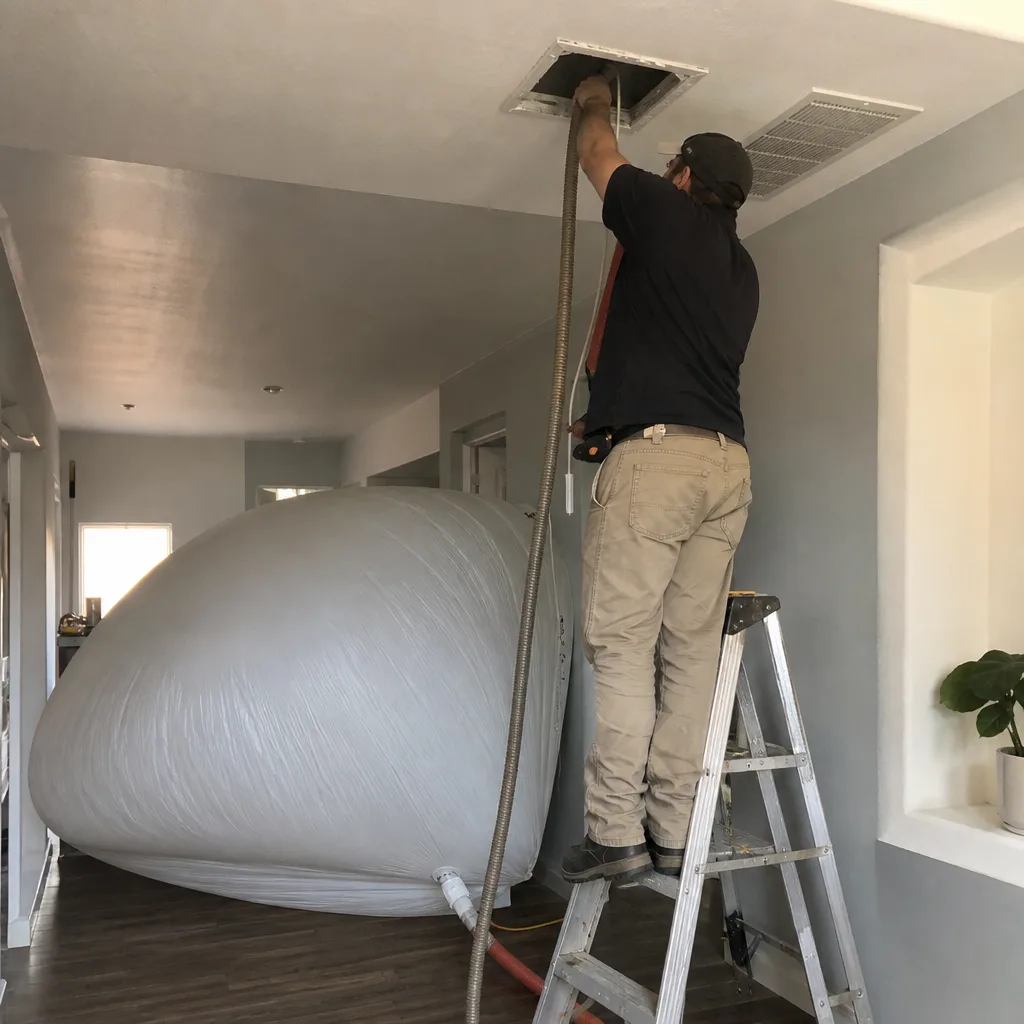
A legitimate quote itemizes costs so you can verify what you’re paying for and compare apples-to-apples. Below is the standard component structure CleanRun uses under Haven Standard Clause 1, with 2026 Gilbert market ranges for each.
Base System Cleaning
| Component | Description | Gilbert 2026 Range |
| Per linear foot, supply ducts | Agitation and negative-pressure extraction of supply lines | $2.50 - $4.00 |
| Per linear foot, return ducts | Agitation and negative-pressure extraction of return lines (typically fewer but larger) | $2.00 - $3.50 |
| Plenum cleaning | Cleaning of main distribution box and connection points | $45 - $85 |
| Air handler access | Cleaning accessible coils, blower compartment, drain pan | $75 - $125 |
| Register/return grille removal and cleaning | Per fixture, including reinstallation | $8 - $15 |
Access and Labor
| Component | Description | Gilbert 2026 Range |
| Standard access points | Existing registers and returns used as entry points | Included in base |
| Additional access cutting | New access panels in ductwork for complete cleaning | $35 - $65 per panel |
| Attic routing surcharge | Additional labor for ductwork in Gilbert attic spaces during hot months | $50 - $100 |
| Crawl space or restricted access | Ductwork in tight subfloor or soffit chases | $75 - $150 |
Equipment and Transport
| Component | Description | Gilbert 2026 Range |
| Negative-pressure system deployment | Truck-mounted or large portable HEPA-filtered extraction unit | $85 - $150 |
| HEPA filtration and containment | Preventing recontamination of home during cleaning | $40 - $75 |
Add-On Services
| Component | Description | Gilbert 2026 Range |
| Dryer vent cleaning | Full lint extraction from dryer exhaust duct to exterior termination | $85 - $175 |
| Antimicrobial/sanitizing treatment | EPA-registered application to cleaned duct surfaces | $125 - $225 |
| Duct sealing (Aeroseal or tape/mastic) | Sealing leaks in accessible ductwork | $300 - $800+ |
A typical Gilbert home with 140 linear feet of combined supply and return ductwork, 16 registers, standard access, and no add-ons calculates to approximately $420 to $680 at itemized rates. Flat-rate packaging often falls in the middle of this range.
CleanRun’s practice, established since 2013 and applied to all 52,000+ homes we’ve served, is to deliver a written, itemized price before any work begins. No exceptions. The price on that document is the price on the final invoice.
How Your Home’s Design Affects Pricing
Two homes of identical square footage can produce materially different duct cleaning quotes. These are the structural variables that explain legitimate price variation.
Duct Configuration: Radial vs. Trunk-and-Branch
Radial systems, common in some Gilbert ranch-style homes built in the 1990s, run individual ducts directly from the air handler to each room. They contain more total linear footage and more connection points than trunk-and-branch systems, where a main trunk line feeds smaller branch ducts. Radial systems typically cost 15 to 25 percent more to clean because of the additional access points and total duct length.
Trunk-and-branch systems, standard in most post-2000 Gilbert construction, are more efficient to clean but may have inaccessible dead legs (unused duct stubs from original construction or past renovations) that require additional access cutting.
Attic vs. Interior Chase Routing
Gilbert’s climate creates a specific cost factor: attic ductwork. From May through September, attic temperatures in Gilbert regularly exceed 140°F. Technicians working in these conditions require additional safety protocols, more frequent breaks, and often early-morning scheduling. Reputable companies account for this in pricing, typically $50 to $100 above baseline for extensive attic routing.
Interior chase routing, where ducts run through soffits, bulkheads, or between floors, is more comfortable to access but may require protective measures for finished surfaces. Homes in Gilbert’s downtown Heritage District, with historic or custom finishes, sometimes need specialized protection that adds modestly to labor time.
Register Count and Type
High-velocity systems with numerous small registers, found in some Gilbert custom homes, increase per-fixture labor. Floor registers with integral dampers take longer to remove and reinstall than simple wall-mounted grilles. We’ve documented jobs in Val Vista Lakes where ornate cast-iron floor registers required 10 minutes each for careful removal, versus 90 seconds for standard fixtures.
Zoned Systems
Homes with multiple thermostats controlling separate duct zones have additional dampers, separate return pathways, and often more complex plenum configurations. Each zone requires independent isolation and cleaning, adding 30 to 60 minutes of labor per zone.
When Repair Costs Legitimately Appear Mid-Job
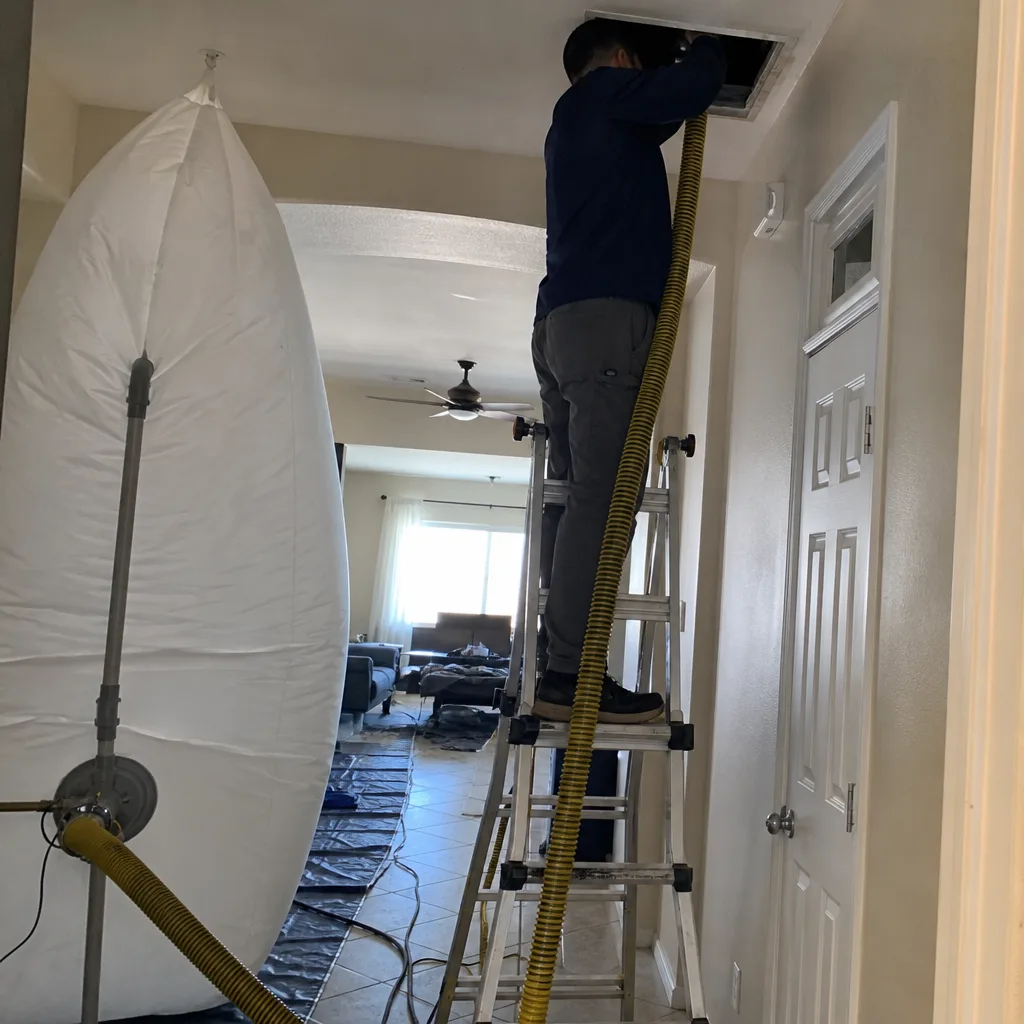
The industry’s bait-and-switch reputation comes largely from the mid-job upsell: a technician discovers “problems” that inflate a $299 quote to $900. Some of these discoveries are fabricated. Others are genuine but should have been identified in pre-work inspection. Here’s how to distinguish legitimate repair needs from pressure tactics.
Common Legitimate Findings
- Disconnected duct joints: In Gilbert’s climate, thermal expansion and contraction stress duct connections, particularly in attic installations. A disconnected 6-inch flex duct joint is visible on camera and produces a clear airflow loss. Repair typically requires reconnection with proper mechanical fasteners and mastic sealant. Cost: $45 to $125 per joint, depending on access.
- Collapsed flex duct: Flexible ductwork in tight attic spaces can be crushed by storage activity, rodent pressure, or improper support. A fully collapsed section requires replacement, not repair. Cost: $150 to $350 per section including materials and labor.
- Failed mastic seals: The paste-like sealant applied to rigid duct joints degrades over 10 to 15 years. Reapplication is straightforward but requires access. Cost: $35 to $75 per joint.
- Corroded or damaged ductwork: Metal ductwork in humid microenvironments (near bathroom exhausts, above pool equipment rooms) can corrode. Replacement sections cost $200 to $500 depending on size and access.
How to Verify Before Authorizing
At CleanRun, any finding that would add to the written price is photographed and shown to the homeowner before work proceeds. Haven Standard Clause 1 requires written authorization for any scope change. The photo record, delivered as part of the standard job documentation, includes timestamped images of the finding and the completed repair.
Red flags for pressure tactics include: findings that cannot be photographed or shown on a live camera feed, urgency claims that the repair must happen immediately for safety reasons (legitimate duct issues are efficiency and air quality concerns, not emergencies), and prices that are only available “right now.”
If a competitor’s technician reports a finding, CleanRun offers a Free Second Opinion: bring the written estimate, and we’ll inspect and document our own findings at no charge.
How a Written Price Guarantee Controls Final Cost
The single most effective protection against invoice shock is a written price, delivered before work begins, that defines the complete scope and states the conditions under which that price can change. This is not standard industry practice. It is CleanRun’s practice, formalized in Haven Standard Clause 1.
What a Protective Written Price Includes
- Itemized scope: every component to be cleaned, with counts (registers, returns, linear feet if applicable)
- Equipment specification: the extraction system and agitation tools to be used
- Completion standard: what “clean” means (typically, visible debris removal verified by post-cleaning camera inspection)
- Conditions for price change: only documented, photographed findings not visible during initial inspection, with homeowner authorization required
- Total price, inclusive of all taxes and fees
The $79 Coupon Pattern
The typical low-price coupon structure works like this: the advertised price covers a minimal scope (often just supply registers, or just “up to 10 vents” with returns excluded). The technician arrives, inspects the system, and reports that the home exceeds the coupon’s limits or requires additional services. The final invoice averages $400 to $600, often with no documentation of what was actually done.
Written pricing prevents this by defining the scope before the truck is dispatched. If a company cannot or will not put a complete price in writing before scheduling, the price is intentionally fluid.
Since 2013, CleanRun has maintained a 100% written-price record across 52,000+ jobs. The price on the initial document matches the final invoice unless the homeowner explicitly authorizes additional documented work.
Equipment Standards: What the Tools Actually Do
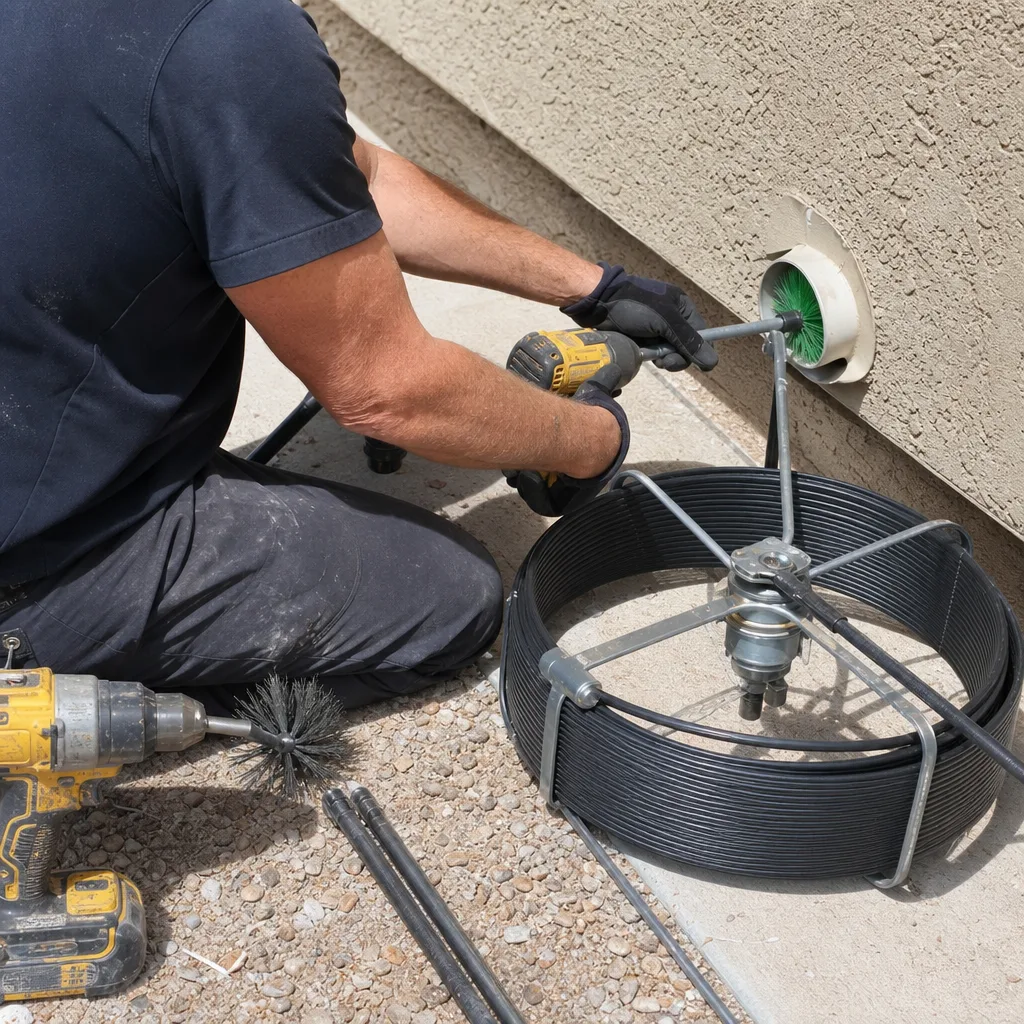
The equipment used on a duct cleaning job determines what is physically possible to achieve. These are the tool categories that separate legitimate source removal from surface cleaning, with brands you can verify independently.
Negative-Pressure Extraction Systems
Source-removal cleaning requires sufficient airflow to maintain negative pressure throughout the duct network, preventing debris from escaping into living spaces during agitation. Truck-mounted systems from Nikro and Abatement Technologies generate 4,000 to 15,000 CFM with multi-stage HEPA filtration. Large portables, used where truck access is limited, achieve similar performance with greater setup complexity.
Shop-vac class equipment (under 2,000 CFM) cannot maintain negative pressure across a residential system. Debris disturbed during cleaning escapes into the home, and the vacuum lacks the capacity to extract adhered material from duct walls.
Mechanical Agitation Tools
Compressed-air whips, rotary brushes, and pneumatic snouts physically dislodge debris that vacuum airflow alone cannot remove. Rotobrush manufactures rotary brush systems designed specifically for residential duct dimensions. These tools require trained operation: improper use can damage flex duct or dislodge existing connections.
HEPA Containment and Filtration
Professional systems exhaust through HEPA filters rated at 99.97% efficiency at 0.3 microns. This prevents the cleaning process from recontaminating the home. Equipment from Abatement Technologies includes certified filter systems with documented replacement protocols.
Inspection and Documentation Cameras
Push cameras with articulating heads allow visual inspection of the full duct run length. The images captured before and after cleaning form the documented photo record that verifies scope completion. Without this documentation, the homeowner has no evidence that the full duct network was accessed.
CleanRun’s equipment roster includes Rotobrush, Nikro, Abatement Technologies, Honeywell, Aprilaire, and Guardsman systems. Customers can verify manufacturer specifications independently and confirm that the tools described are present on the job.
Gilbert-Specific Market Factors
Gilbert’s environment and housing stock create conditions that affect both duct cleaning needs and legitimate pricing.
Climate and Debris Accumulation
Gilbert’s desert climate produces specific duct contamination patterns. Fine caliche dust, prevalent in new construction and ongoing development areas, infiltrates return ducts and adheres to duct walls with surprising tenacity. This mineral-rich dust is more abrasive than organic household dust and requires more aggressive agitation for complete removal.
During monsoon season (June through September), humidity spikes can activate dormant biological material in ducts, particularly in homes with evaporative cooler history or past water intrusion. This doesn’t automatically require antimicrobial treatment, but it does mean that “light dust” inspections in May may reveal different conditions in August.
Housing Age and Construction Quality
Gilbert’s rapid growth from 2000 to 2010 produced thousands of homes built during peak demand periods, when ductwork installation quality sometimes suffered from speed pressures. We’ve documented systems in Gilbert’s Layton Lakes and Santan Village areas with original duct tape (not mastic) on rigid joints, now failing after 15 to 20 years of thermal cycling. These homes often need cleaning plus targeted sealing to restore designed airflow.
Older homes in the original Gilbert townsite, some dating to the 1970s and 1980s, may have asbestos-containing duct insulation or transite duct materials. Disturbing these requires specific abatement protocols and significantly affects pricing. Any reputable company will identify these materials before beginning work.
HOA and Development Requirements
Some Gilbert master-planned communities, particularly those with architectural review committees, require notification or specific scheduling for service vehicles. This doesn’t directly affect pricing but may influence scheduling flexibility and should be discussed during estimate coordination.
Choosing Between Quotes: A Checklist
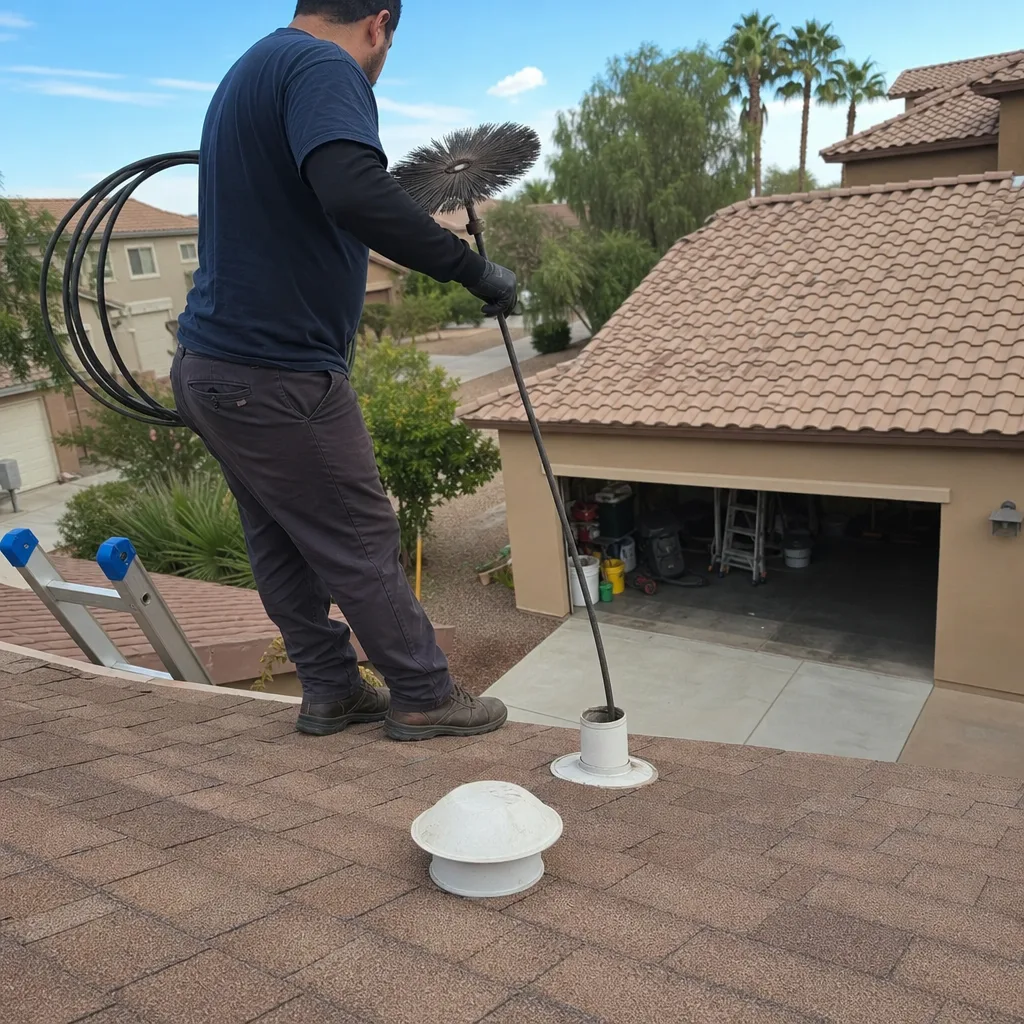
Use this checklist to evaluate competing estimates on comparable criteria.
- Is the scope fully itemized? Counts of registers, returns, linear feet if stated, and specific components (plenum, air handler) should be listed. Vague language like “whole house” without specifics permits scope reduction on site.
- Is equipment specified by manufacturer or type? “Professional equipment” is meaningless. Look for named manufacturers or specific performance ratings (CFM, HEPA classification).
- Is the completion standard defined? What verifies that the job is done? Camera inspection? Visual check? The standard determines whether documentation exists.
- Are conditions for price change stated? A fixed price with no exceptions is suspect (no one can guarantee against hidden damage). A price that changes at the technician’s discretion is equally suspect. The middle ground: documented, photographed findings with explicit homeowner authorization.
- Is a photo record included? Before and after images of every duct run provide evidence of scope completion. Their absence means no verification is possible.
- Is the company licensed and insured? Arizona requires HVAC-related work to be performed by licensed contractors. Ask for the license number and verify through the Arizona Registrar of Contractors.
- What does the warranty cover? A time-limited satisfaction guarantee is standard. CleanRun’s 365-Day Done Right Promise, backed in writing on every job, extends this to full re-service if the work does not meet the documented standard.
CleanRun Air Duct Cleaning Gilbert operates under the H.A.V.E.N. Standard with published licensing, background-checked and uniformed technicians identified by name before arrival, and the full documentation protocol described above. CleanRun Air Duct Cleaning Gilbert home details our complete service structure.
Common Mistakes to Avoid
- Comparing only total price without verifying scope. A $350 quote for supplies-only cleaning is not cheaper than a $550 quote for complete supply, return, and plenum cleaning. Itemize before comparing.
- Assuming all companies use similar equipment. The difference between a shop-vac and a truck-mounted negative-pressure system is the difference between dusting and washing. Ask specifically.
- Scheduling during monsoon season without discussing humidity impacts. Gilbert’s summer humidity can temporarily activate odors in dormant debris. Discuss timing and expectations with your provider.
- Neglecting the dryer vent. Dryer vent cleaning is often bundled at discount but critically important for fire safety. In Gilbert’s hard-water areas, lint combines with mineral residue to form particularly dense blockages.
- Accepting verbal price quotes. Verbal quotes have no enforcement mechanism. Written quotes, with scope defined, are the only protection against invoice inflation.
- Ignoring duct configuration. If your home has radial ductwork or zoned systems, confirm the estimate accounts for the additional complexity. Standard flat rates often assume simpler trunk-and-branch layouts.
- Skipping the photo record. Even if you don’t plan to review every image, the existence of a documented photo record disciplines the technician to complete the full scope. Its absence removes this accountability.
When to Call a Professional
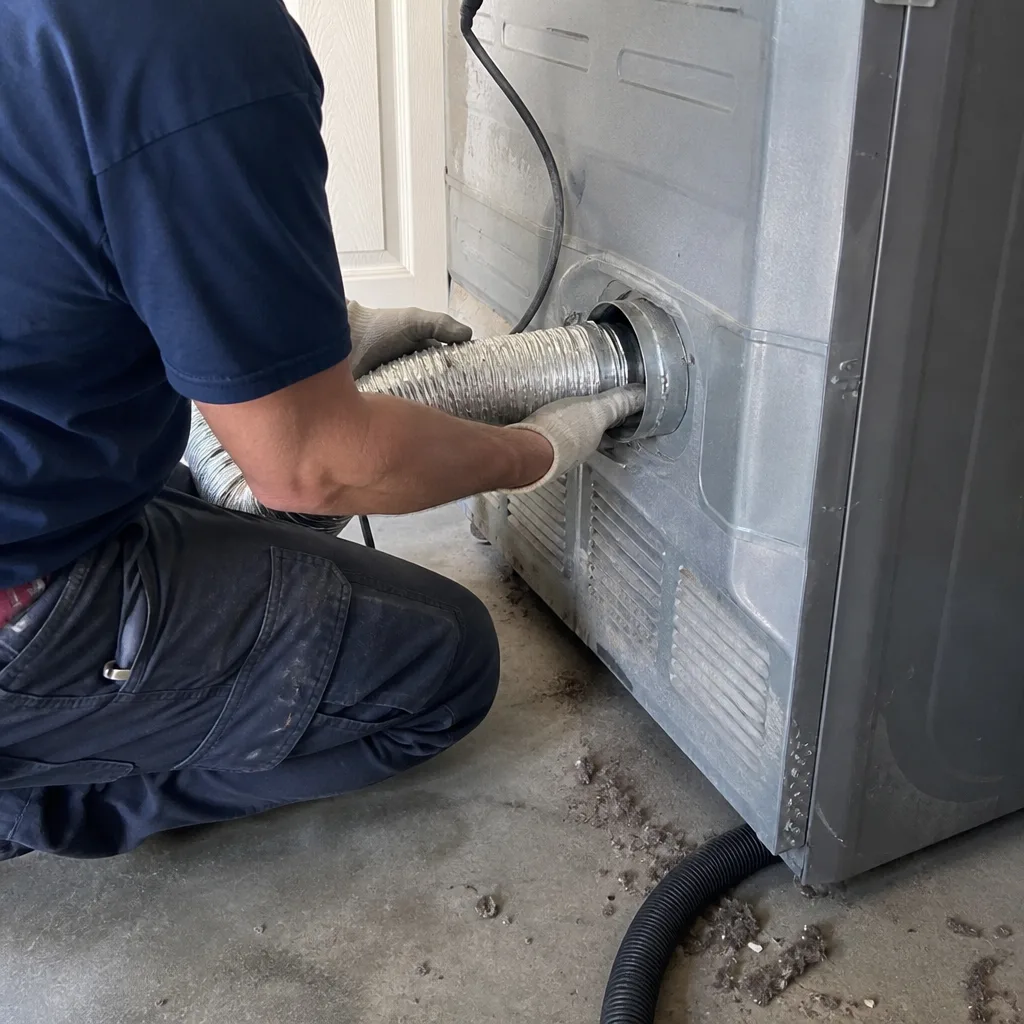
Schedule professional duct cleaning when: visible debris emits from registers when the system starts; rooms heat or cool unevenly despite thermostat settings; energy bills increase without usage changes; or it’s been more than five years since last service and the home has pets, recent construction, or occupied by allergy-sensitive individuals.
For dryer vents, clean annually if you do more than four loads weekly, or immediately if drying times increase significantly.
CleanRun Air Duct Cleaning Gilbert offers free estimates throughout Gilbert and the surrounding communities. Every estimate includes a written, itemized price before any work is scheduled. Call (520) 666-7643 to arrange inspection, or review our specific service pages for Air Duct Cleaning in Gilbert, Dryer Vent Cleaning in Gilbert, and HVAC Cleaning in Gilbert.
Frequently Asked Questions
A complete source-removal clean for a typical Gilbert home ranges from $380 to $780 in 2026. The final price depends on total duct linear footage, register count, accessibility, and any add-on services. Call (520) 666-7643 for a written estimate specific to your home.
Low quotes typically reflect reduced scope (supplies only, limited register count), inferior equipment (shop-vac class rather than negative-pressure extraction), or intentional teaser pricing designed to recover margin through mid-job upselling. The mechanical reality of a complete clean on a 2,000-square-foot home cannot be delivered for $79 to $149.
Require a documented photo record showing the interior of every duct run before and after cleaning. Timestamped images with identifiable landmarks (joints, elbows, register locations) provide verifiable evidence. CleanRun includes this as standard on every job, delivered with the final invoice.
Most Gilbert homes benefit from cleaning every three to five years. Homes with pets, recent renovations, or allergy-sensitive occupants may need more frequent service. The specific interval depends on accumulation rate, which varies with filtration quality, system runtime, and local dust conditions.
Improper technique can damage flex duct, dislodge connections, or compromise existing seals. This risk is minimized by using trained technicians, proper agitation tools for duct material type, and inspection cameras to verify condition before aggressive cleaning. CleanRun technicians are trained to identify duct material and condition before selecting tools.
If inspection reveals significant leakage at joints or connections, sealing during cleaning is efficient because access is already established. However, sealing should only follow cleaning: applying sealant over dirty surfaces traps debris and reduces effectiveness. CleanRun evaluates and documents leakage during the pre-cleaning inspection and can include sealing in the written scope if indicated.
Duct cleaning addresses the distribution network (duct runs, plenum, registers). HVAC cleaning includes the air handler components: evaporator coils, blower assembly, and drain pan. For complete system hygiene, both are necessary. CleanRun offers both services, itemized separately or packaged, with written pricing for each scope.
The Bottom Line
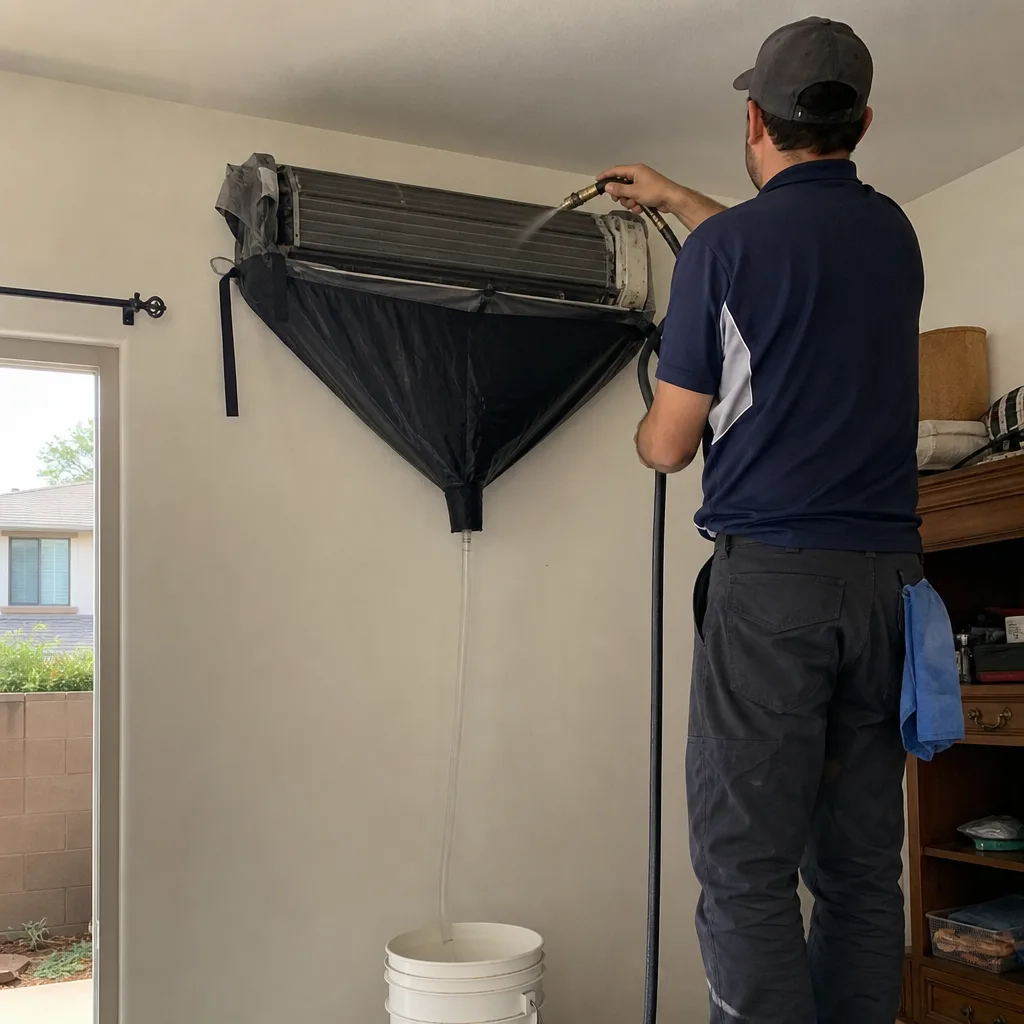
Air duct cleaning prices in Gilbert span $79 to $1,200 because they describe fundamentally different services. The $79 tier buys a surface treatment that leaves most debris in place. Legitimate source-removal cleaning, using negative-pressure extraction and mechanical agitation, runs $380 to $780 for typical homes and includes documented verification of completion. The variables that move quotes within this range, linear footage, register count, accessibility, and add-ons, should be itemized in writing before work begins. A written price guarantee, not a coupon, is the only reliable protection against the upsell pattern that has defined this industry’s reputation. Ask for equipment specifications, completion standards, and photo documentation. Compare itemized scopes, not headline prices. And schedule with a provider who puts the full terms in writing before the truck arrives.
Written by Tomas Reyes, Owner at CleanRun Air Duct Cleaning Gilbert, serving Gilbert since 2013.