
Whole-system duct and dryer vent check with before-and-after photos - you see exactly what came out of your vents
That "$99 whole-house special" is a bait ad - the real number appears once they are in your hallway, or the "clean" is a shop-vac at the register. We photograph the inside of your ducts before and after instead.
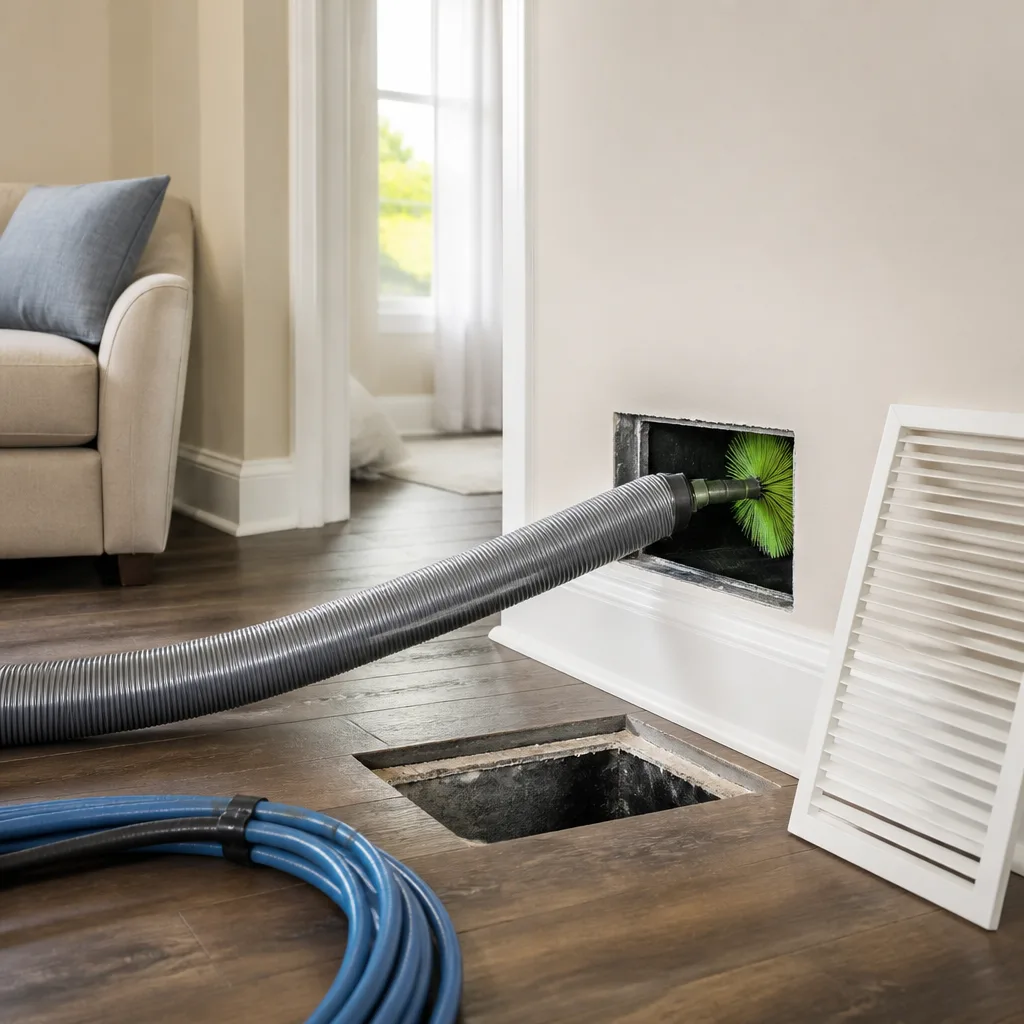
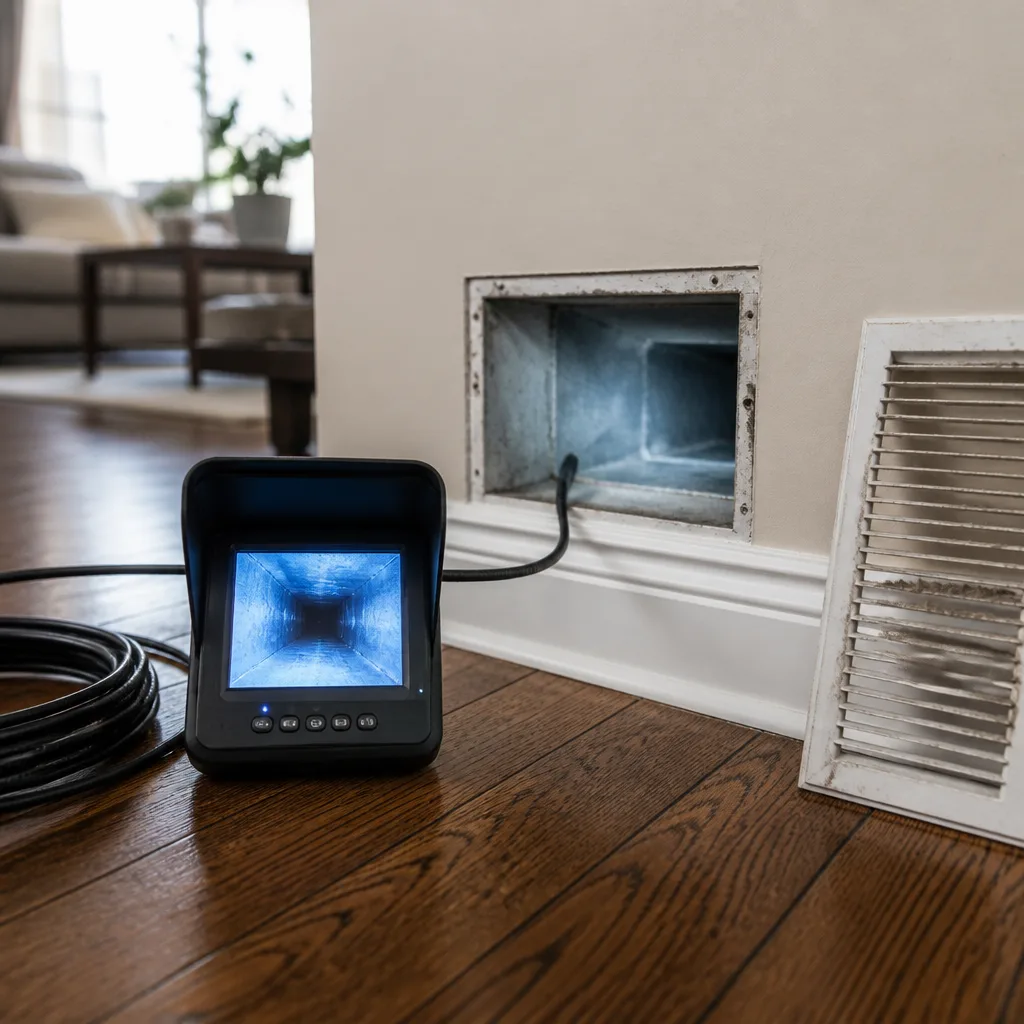
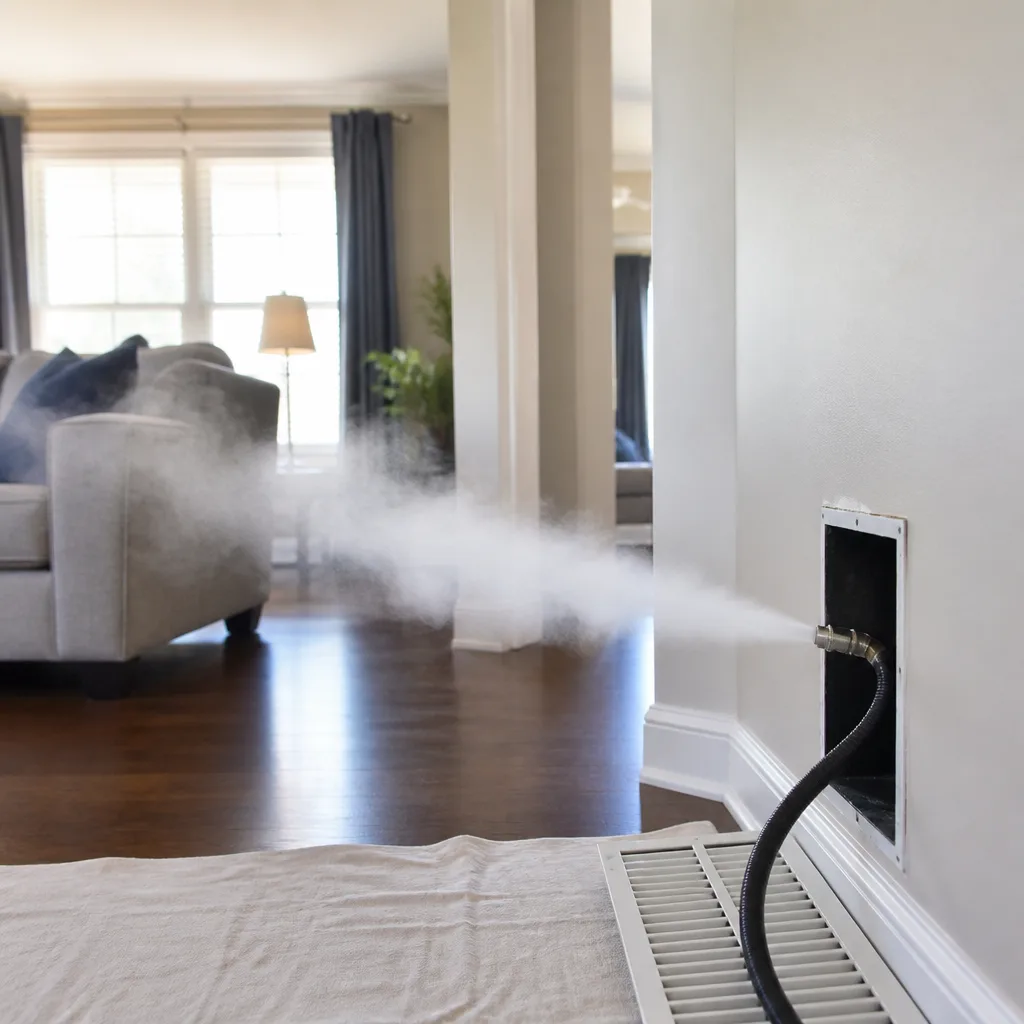
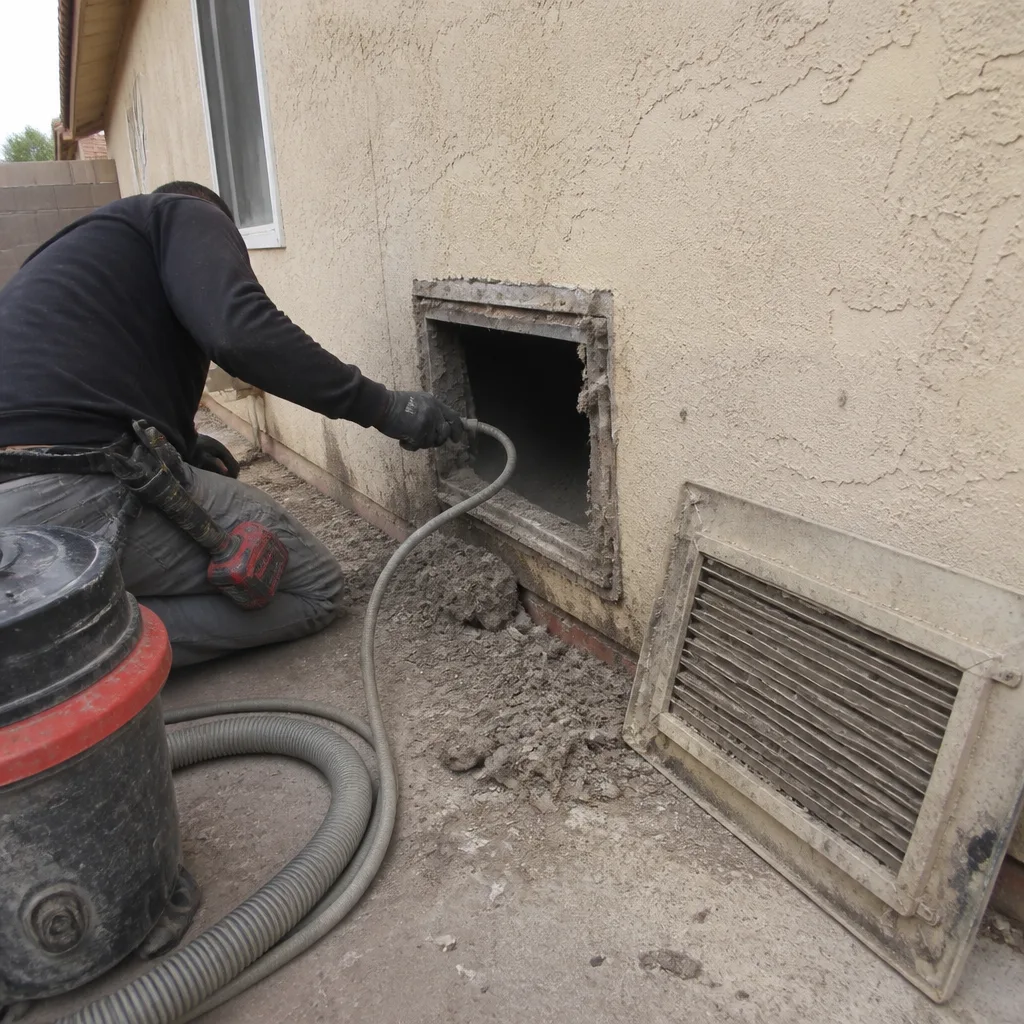 Before
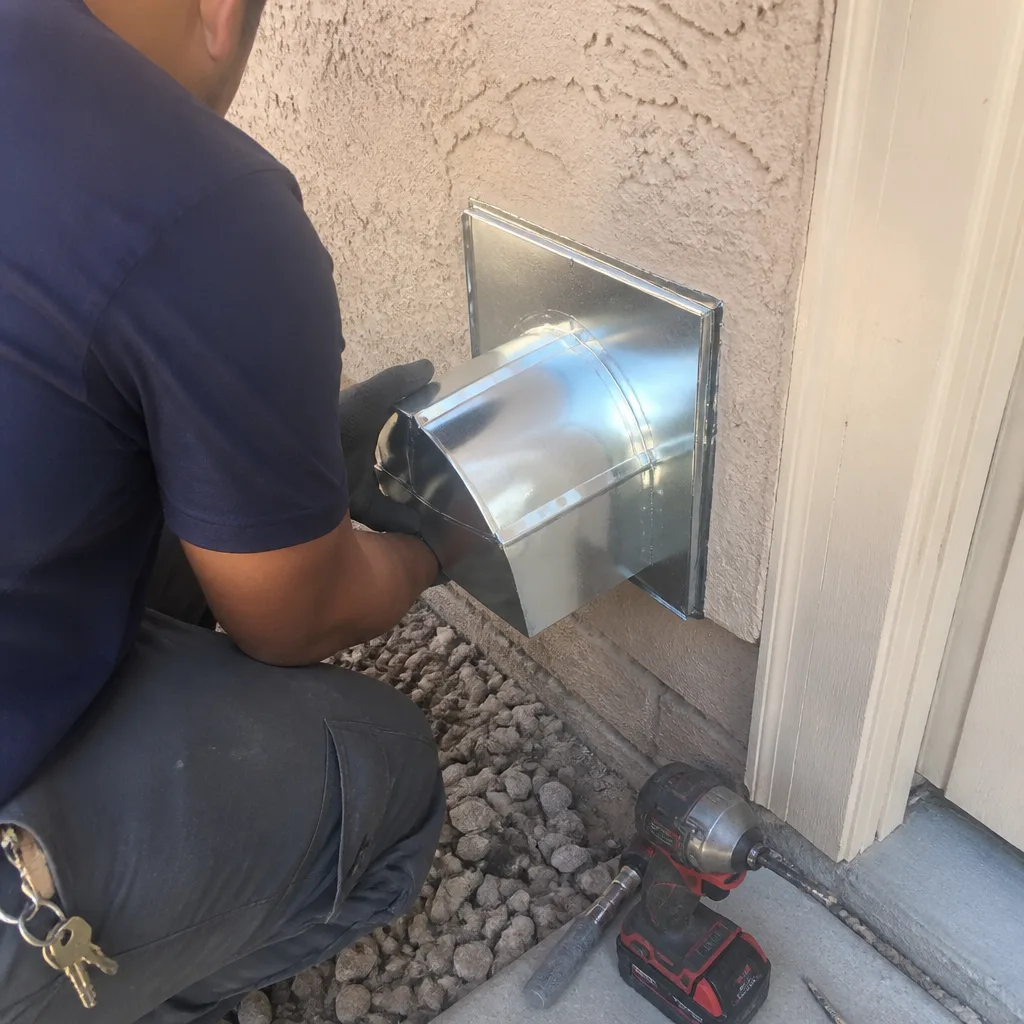 After
After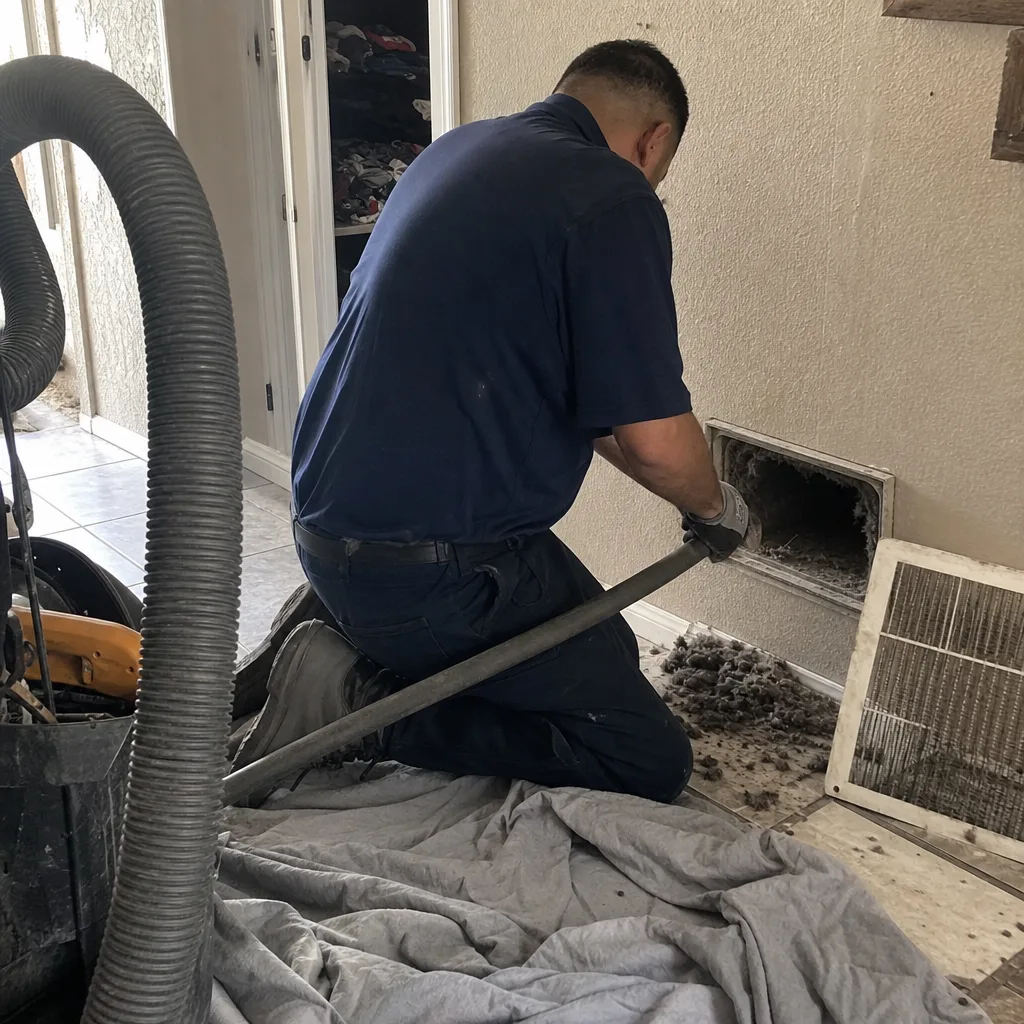 Before
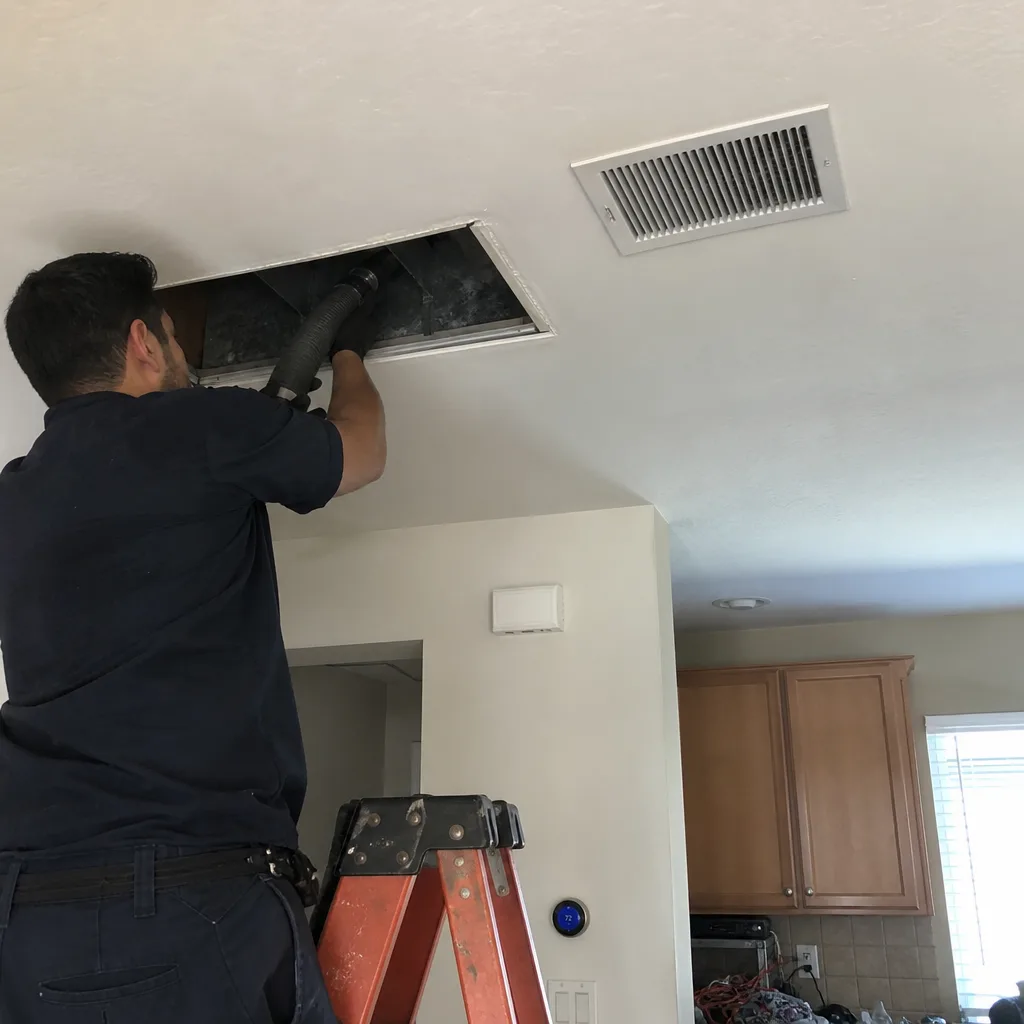 After
After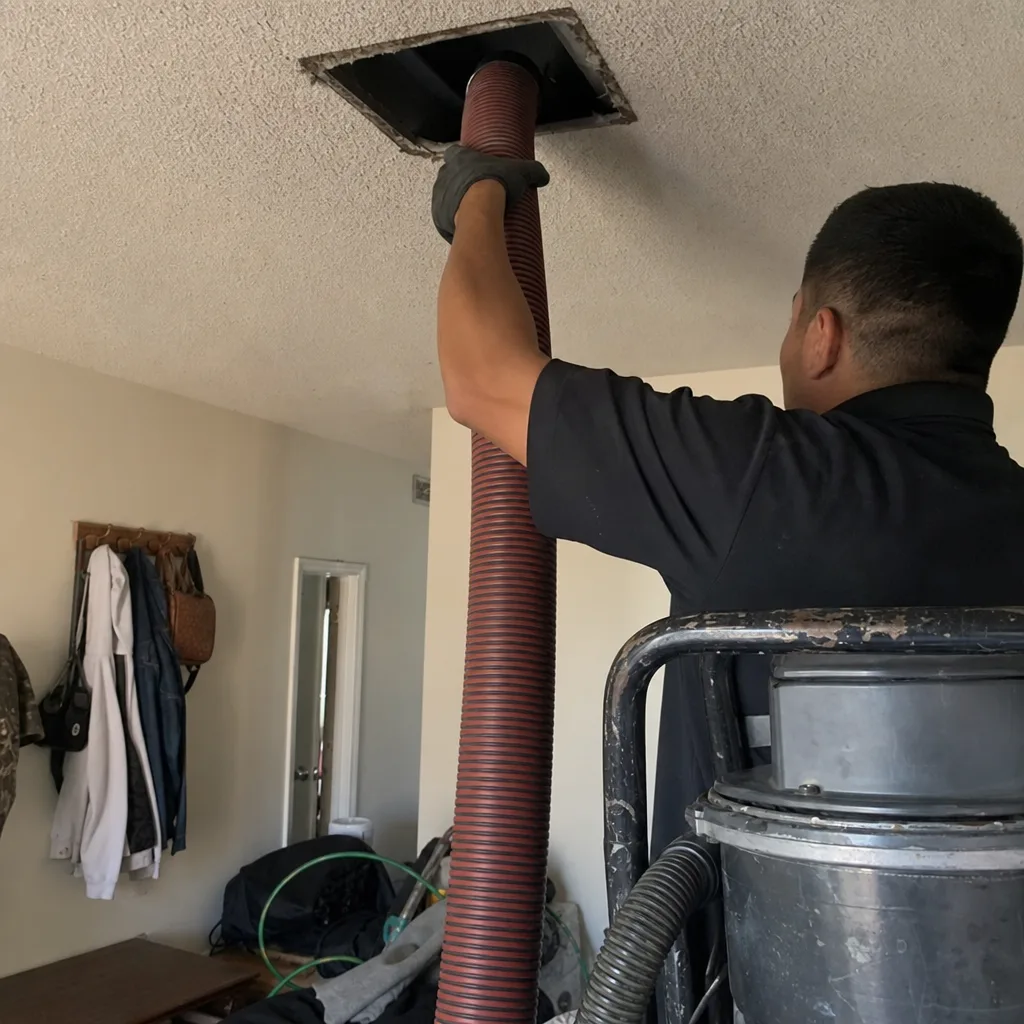 Before
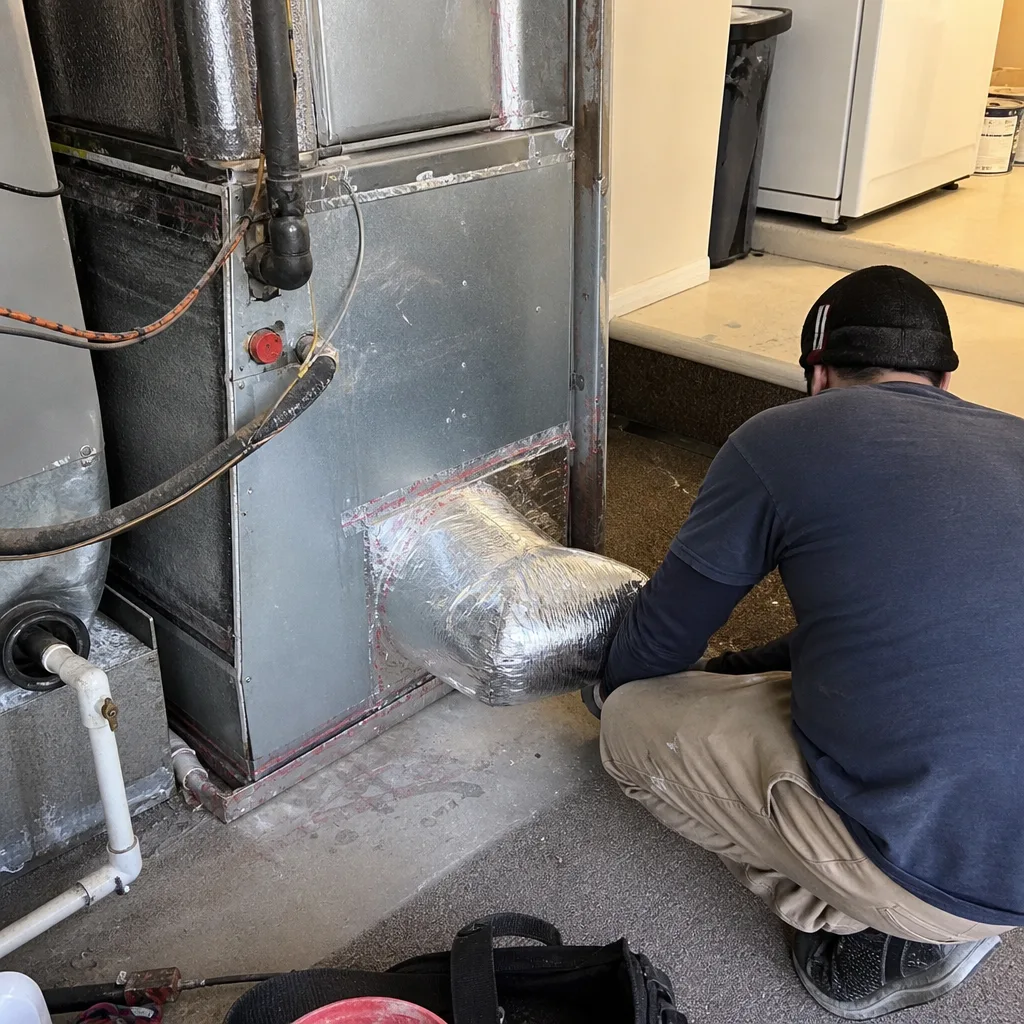 After
AfterHoneywell Coil Cleaning: The Gilbert Owner’s Guide
Clean-run coil cleaning for Honeywell HVAC systems in Gilbert typically runs $340-$580 for a complete evaporator or condenser coil service, and we stock the compatible foaming agents, fin combs, and access panels to complete most jobs same-day. We see these calls spike in June when systems run 14+ hours straight and the coil freeze-ups start. The photo tells you what’s in there. The price tells you what it costs to fix it. Everything else is just paperwork.
Most Gilbert homeowners realize their coil needs attention when the upstairs never cools below 78, the condensate drain backs up, or they spot the ice formation on the copper lines outside. In Power Ranch and Agritopia, we’ve pulled coils that were factory-clean in 2018 and completely blocked by 2024 from the combination of cottonwood fluff, caliche dust, and the hard water scale that builds fast on this side of the Valley.
Which Honeywell Models This Applies To
Honeywell doesn’t manufacture complete HVAC systems, but their coil-related components integrate with most major residential lines you’ll find in Gilbert homes built 2015-2025. The critical match points are the electronic air cleaner cells (F300, F50, F100 series), UV coil treatment systems (UV2400U, UV100 series), and media filters (FC100A, FC200E) that mount directly upstream of the coil and affect airflow across it.
To identify your specific component, check the label inside the air handler cabinet, usually on the blower deck or filter rack. The F300E electronic cell measures 12.5″ × 20″ or 16″ × 25″ depending on cabinet size, and the power head orientation (left-hand vs. right-hand) determines whether we stock the replacement on the truck. For UV systems, the lamp length (16″, 18″, or 26″) and base type (two-pin vs. four-pin) are the compatibility gotchas; we’ve seen three different UV2400U configurations in Gilbert alone, and ordering the wrong lamp means a second trip.
OEM Honeywell cells and lamps carry the full warranty and exact fit. Quality aftermarket equivalents from Guardsman meet the same MERV and UV-C output specs at roughly 15% less, though we always verify the base geometry before quoting. We stock both and will show you the difference in writing before work starts.
Signs Your Honeywell Coil Cleaning Is Failing
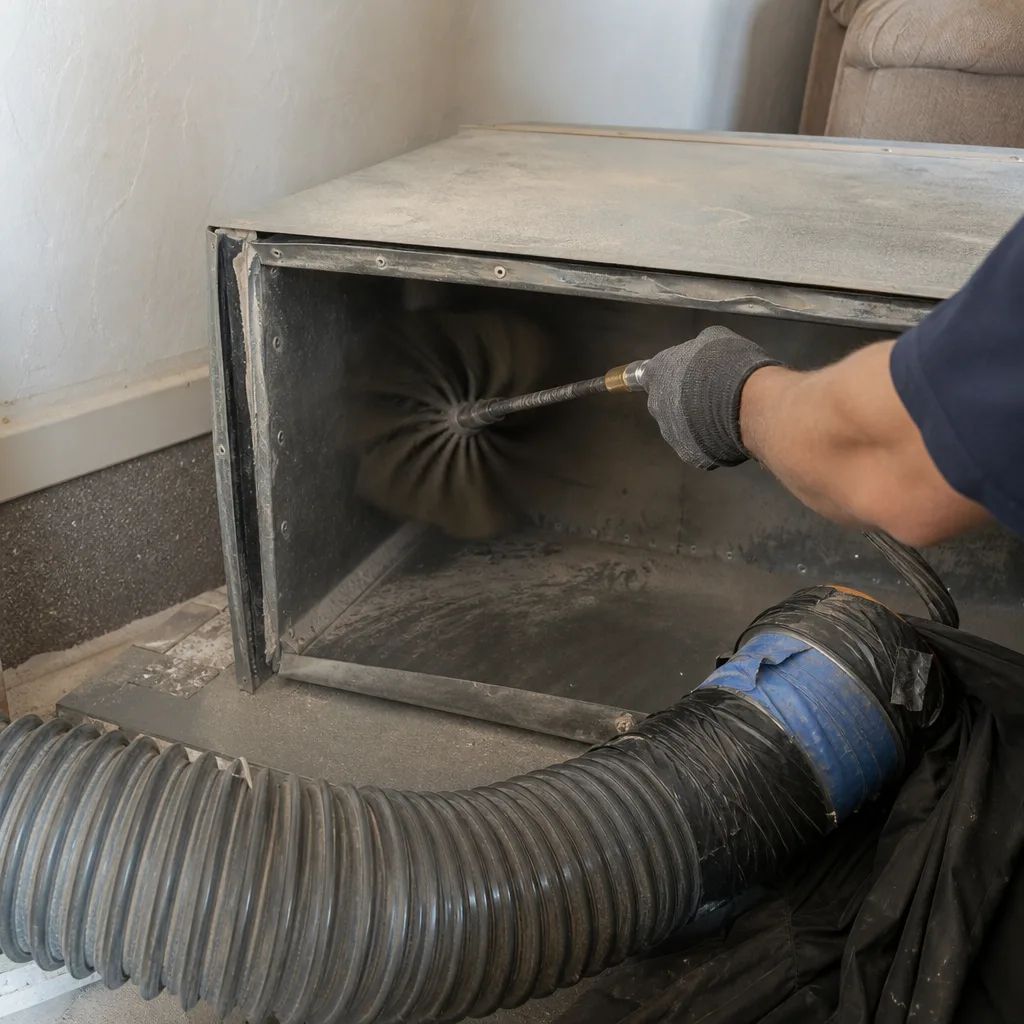
- Ice on the suction line outside. The evaporator coil inside your air handler is too dirty to absorb heat, so refrigerant stays cold all the way back to the condenser. In Gilbert, we see this most in homes near the Santan Mountains where dust load is higher and filters get neglected.
- Water around the furnace or air handler. A dirty coil restricts airflow, causing the coil temperature to drop below dew point and overloading the condensate pan. The camera usually shows a mat of hair and construction debris wedged between the fins at the first elbow of the drain path.
- Musty smell when the system cycles on. Biological growth on the coil surface releases spores into the supply air. Honeywell UV systems are supposed to prevent this, but a failed UV lamp (common after 9,000 hours) leaves the coil unprotected. We verify lamp output with a UV meter before declaring it functional.
- Electric bill jumps 20%+ with no rate change. A coil with 1/16″ of fouling can reduce efficiency 15-20%. In Gilbert’s 115°F July afternoons, that means the compressor runs continuously and still can’t hold setpoint.
- Weak airflow at registers despite clean filters. The coil acts as a secondary filter; when it’s packed, the blower can’t push rated CFM. We measure static pressure across the coil to confirm, and the manometer doesn’t lie.
BeforeAfterReplacement Cost & What’s Included
For Gilbert homeowners, complete Honeywell coil cleaning service breaks down as follows:
| Evaporator coil cleaning (accessible, no cut-in required) | $340-$420 |
| Condenser coil cleaning (outdoor unit, chemical + fin straightening) | $280-$360 |
| Both coils, same visit | $520-$580 |
| Electronic air cleaner cell deep clean + test | $85-$120 |
| UV lamp replacement (lamp + labor + output verification) | $180-$260 |
| Hard water scale removal (acidic foaming treatment, 2-pass minimum) | $95-$140 additional |
What drives the range: coil accessibility (some Gilbert builders buried the air handler in a tight attic chase), degree of fouling (a coil that hasn’t been touched since 2019 takes two chemical passes and a fin comb session), and whether the drain pan needs separate treatment. We quote the exact number in writing before any panel comes off, under Haven Standard Clause 1. The 365-Day Done Right Promise covers the workmanship; manufacturer defects on Honeywell OEM parts carry their standard warranty.
Every job concludes with a Documented Photo Record of the coil condition before and after, delivered as part of your standard job record. You see what we saw. No vacuum noise, no guesswork.
DIY or Call Us?
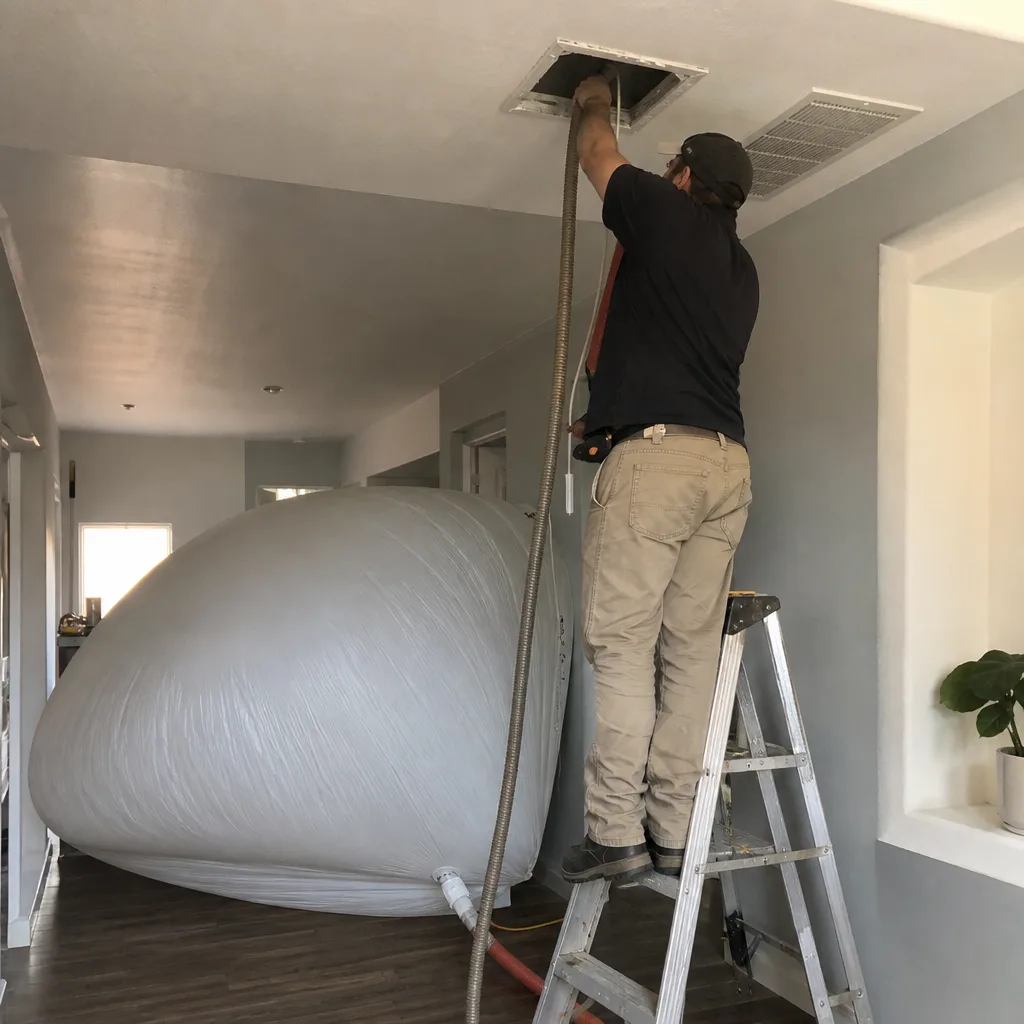
There’s a safe middle ground and a hard stop. Homeowners can replace the disposable media filter (FC100A, FC200E), check that the condensate drain isn’t visibly clogged, and verify the UV lamp’s blue glow through the sight glass. These are maintenance items, not invasive work.
Where DIY goes wrong: the evaporator coil sits inside the plenum, often above a gas furnace with live 120V controls and a 24V low-voltage board inches away. Foaming cleaner sprayed carelessly shorts components that cost more than the service call. The condenser coil carries 240V to the contactor and capacitor, and a charged capacitor can deliver a lethal discharge even with the disconnect pulled. We don’t recommend homeowners open either cabinet. Our technicians are background-checked, uniformed, and identified by name before arrival, operating under Haven Standard Clause 3: Verified Crews.
If you’ve already got a written estimate from another company, bring it. CleanRun puts its number next to it in writing, no charge, through our Free Second Opinion.
FAQs
In Gilbert’s climate, with dust, pollen, and hard water, a thorough coil cleaning maintains full efficiency for 18-30 months. Homes near agricultural land or active construction may see fouling return in 12-18 months. We note the condition and recommend the next service interval in your written job record. Call (520) 666-7643 and we’ll put a reminder on your file.
No. Once aluminum fins are corroded or copper tubes are leaking, cleaning won’t restore heat transfer. We photograph the damage and show you exactly why replacement is the only honest recommendation. If the coil is intact but fouled, cleaning is the right fix and we document the improvement in your photo record.
Most residential Honeywell coil cleanings take 90-150 minutes from panel-off to system restart and verification. Condenser-only jobs run shorter; attic evaporators with limited access take longer. We quote the time estimate in writing with the price, so you’re not watching the clock.
We stock the common Honeywell media filters, electronic cells, UV lamps, and foaming agents for same-day completion. Specialty sizes or discontinued series may require a next-day pull from our distributor in Mesa. We’ll tell you exactly what’s on the truck before we schedule, not after we arrive.
CleanRun Duct Repair & Cleaning is an independent service provider, not affiliated with Honeywell. We also stock and install compatible components for Lennox, Trane, and Carrier systems.
Ready to see what’s actually inside your system? Call (520) 666-7643 for a free estimate. We’ll give you a written price before any work starts, and you’ll get the full photo record when we’re done.
Written by Tomas Reyes, Owner & Lead Technician, CleanRun Air Duct Cleaning Gilbert at CleanRun Air Duct Cleaning Gilbert, serving Gilbert and nearby areas.