
Whole-system duct and dryer vent check with before-and-after photos - you see exactly what came out of your vents
That "$99 whole-house special" is a bait ad - the real number appears once they are in your hallway, or the "clean" is a shop-vac at the register. We photograph the inside of your ducts before and after instead.
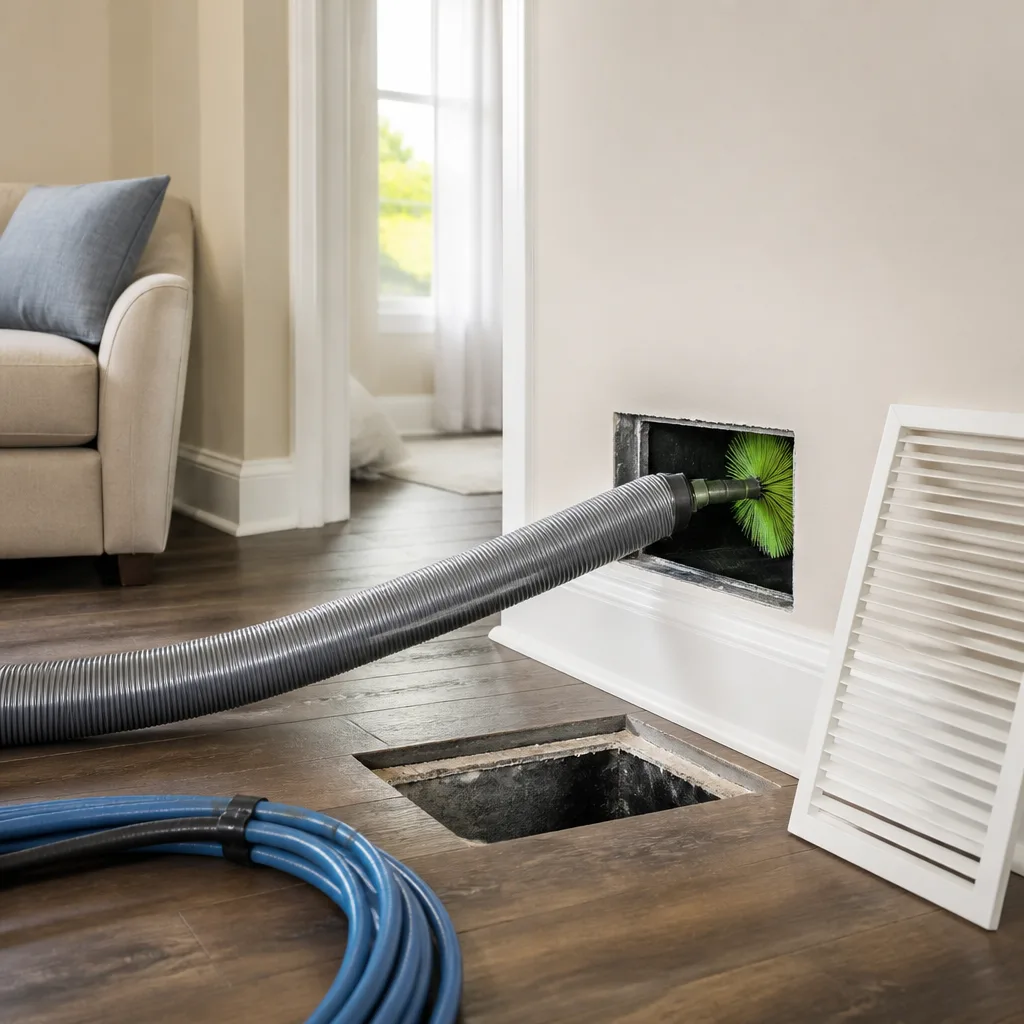
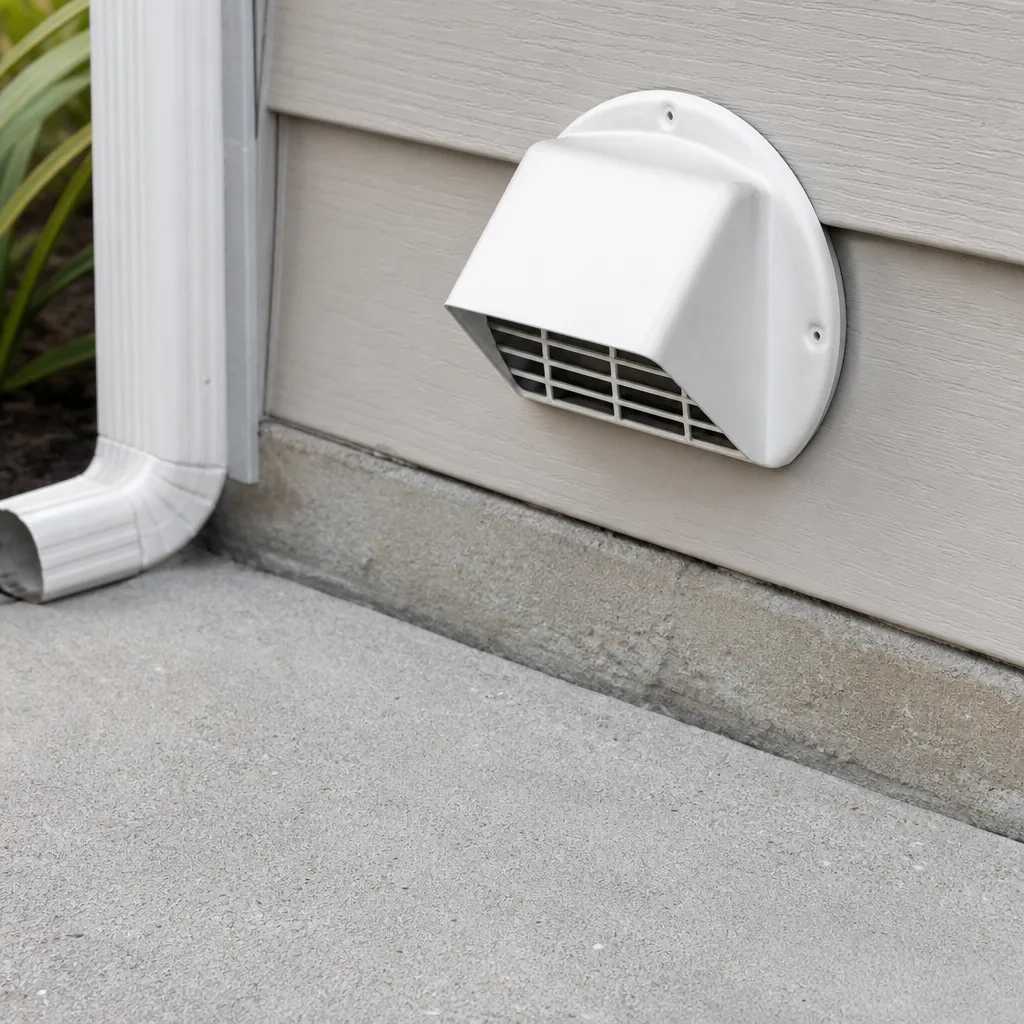
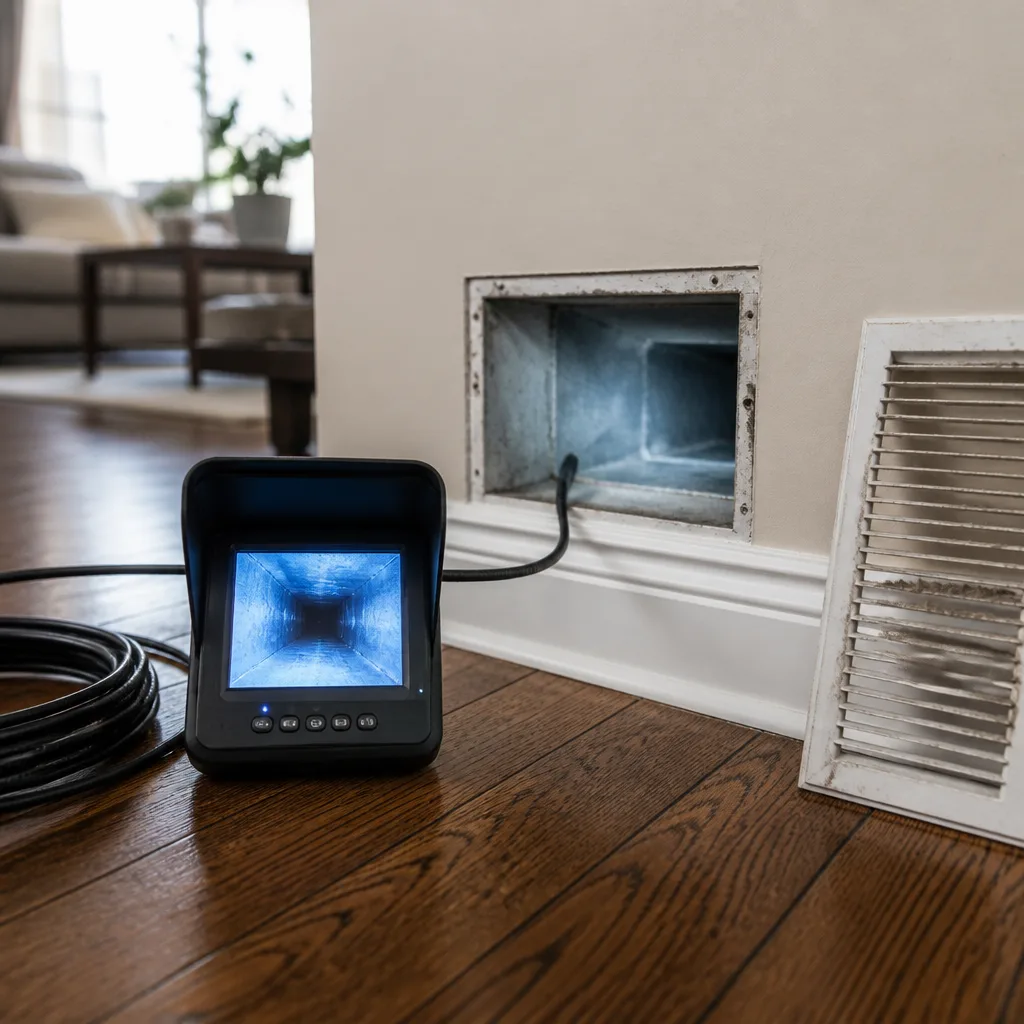
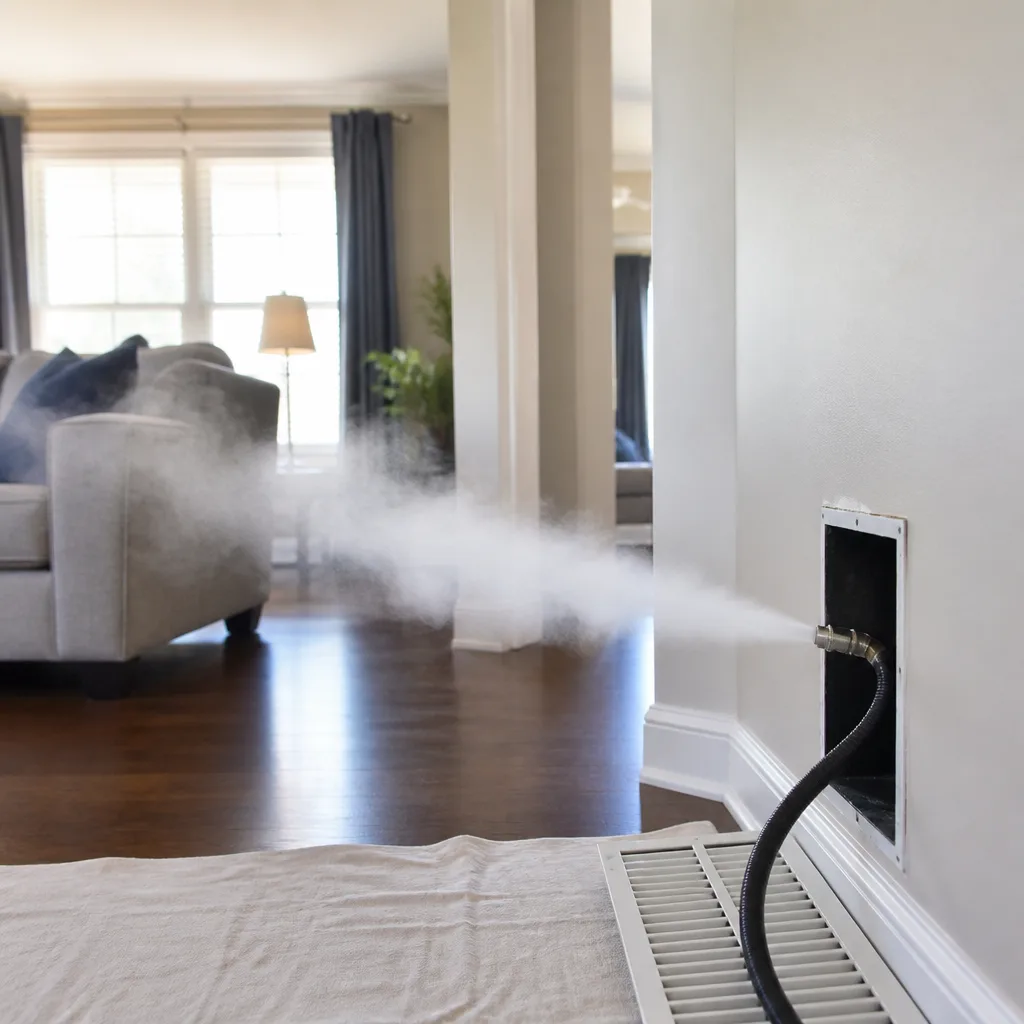
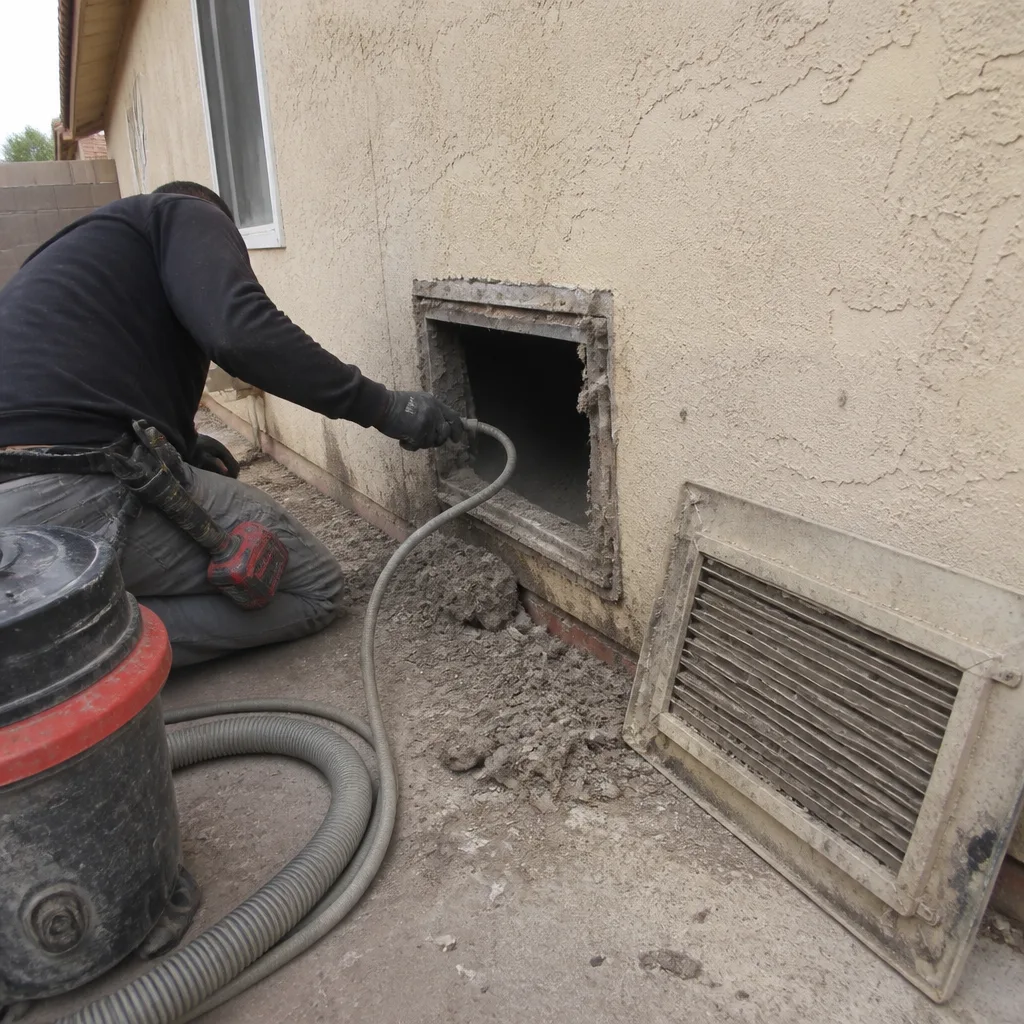 Before
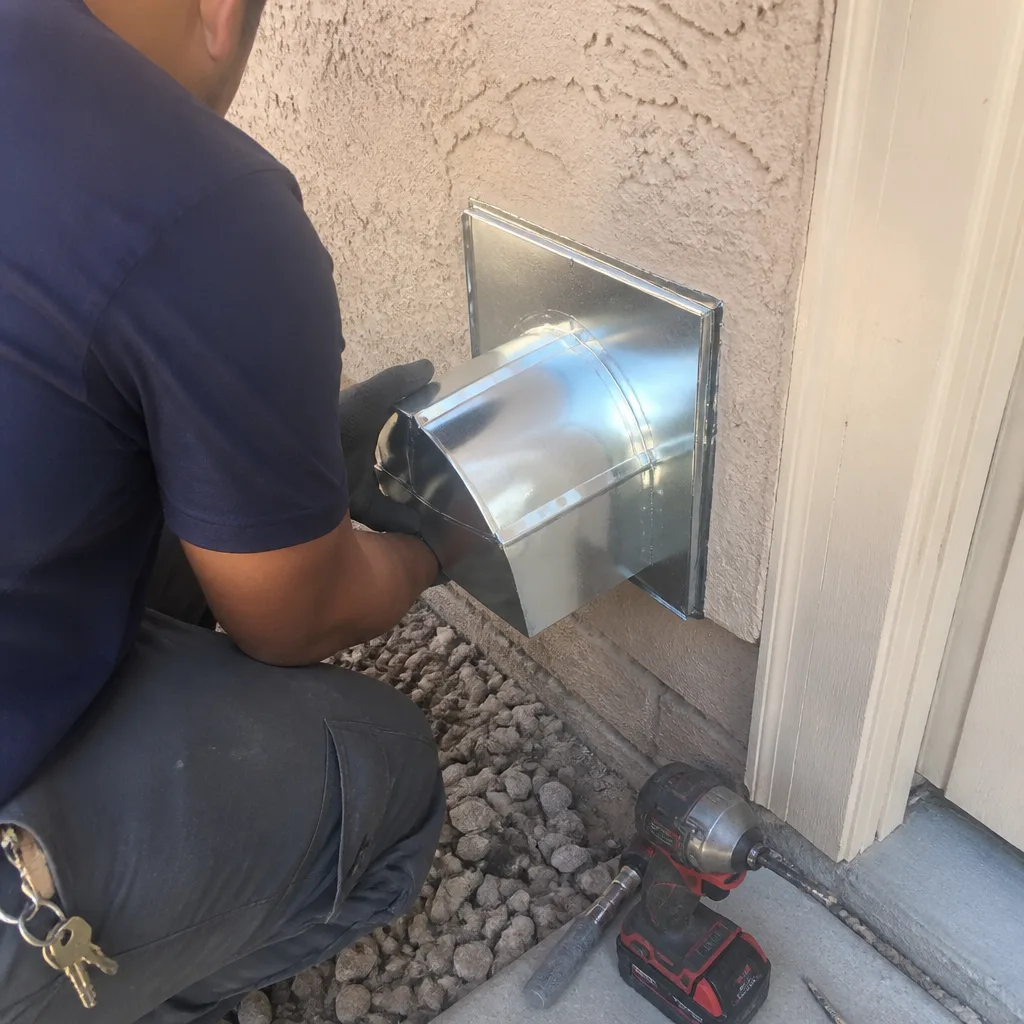 After
After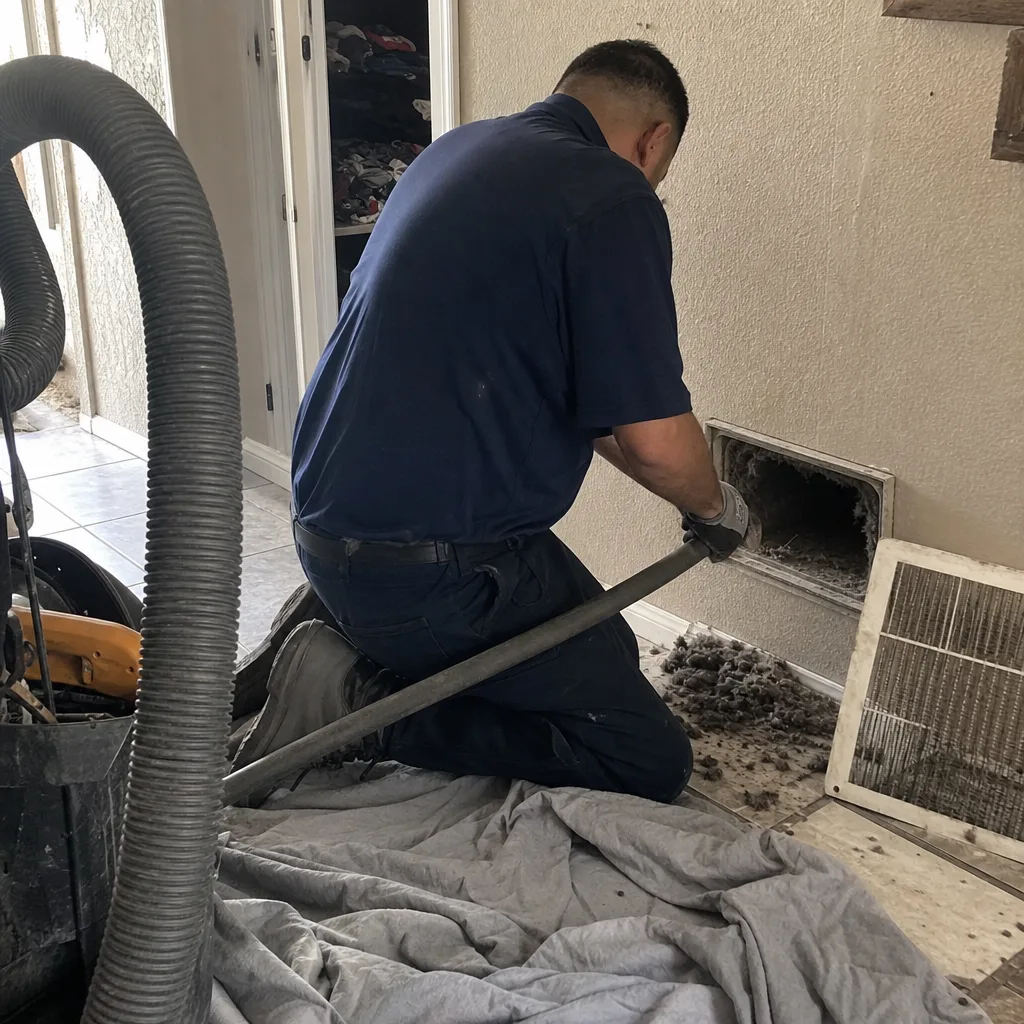 Before
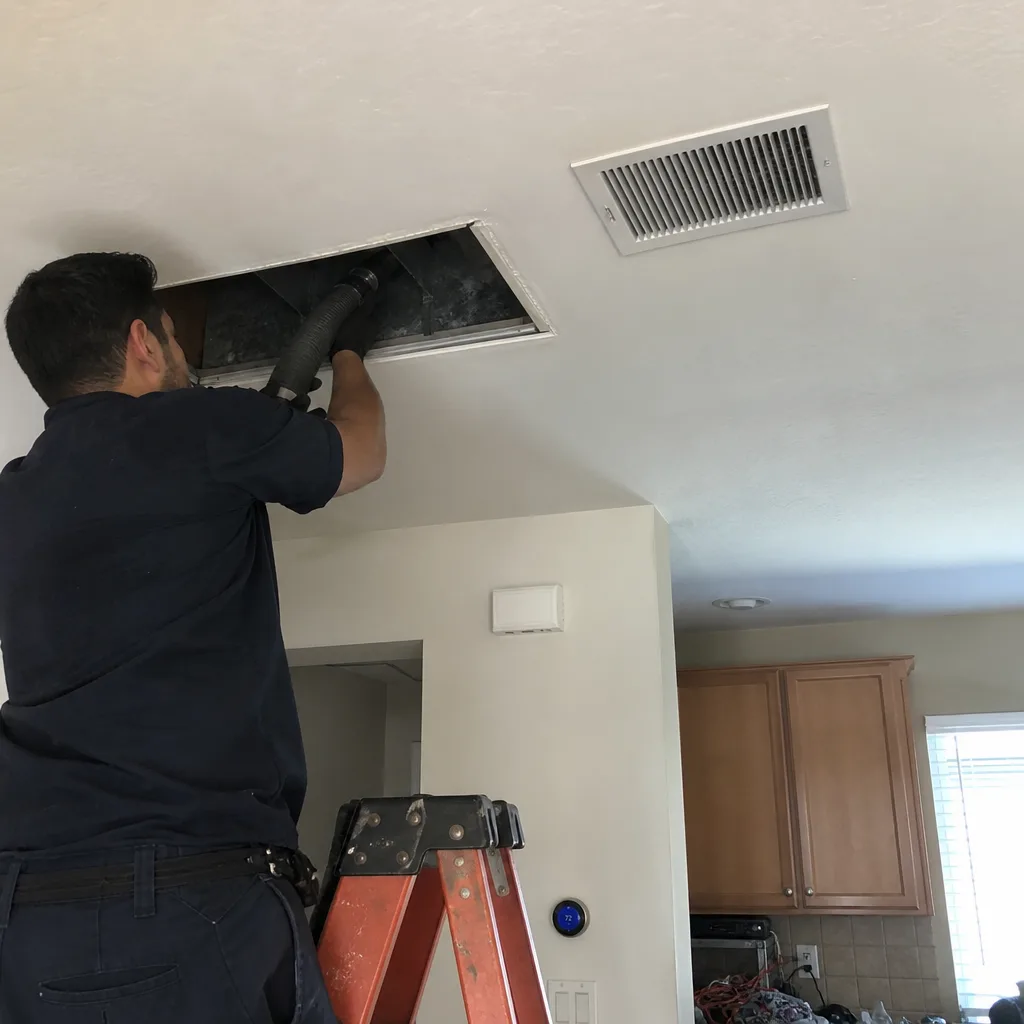 After
After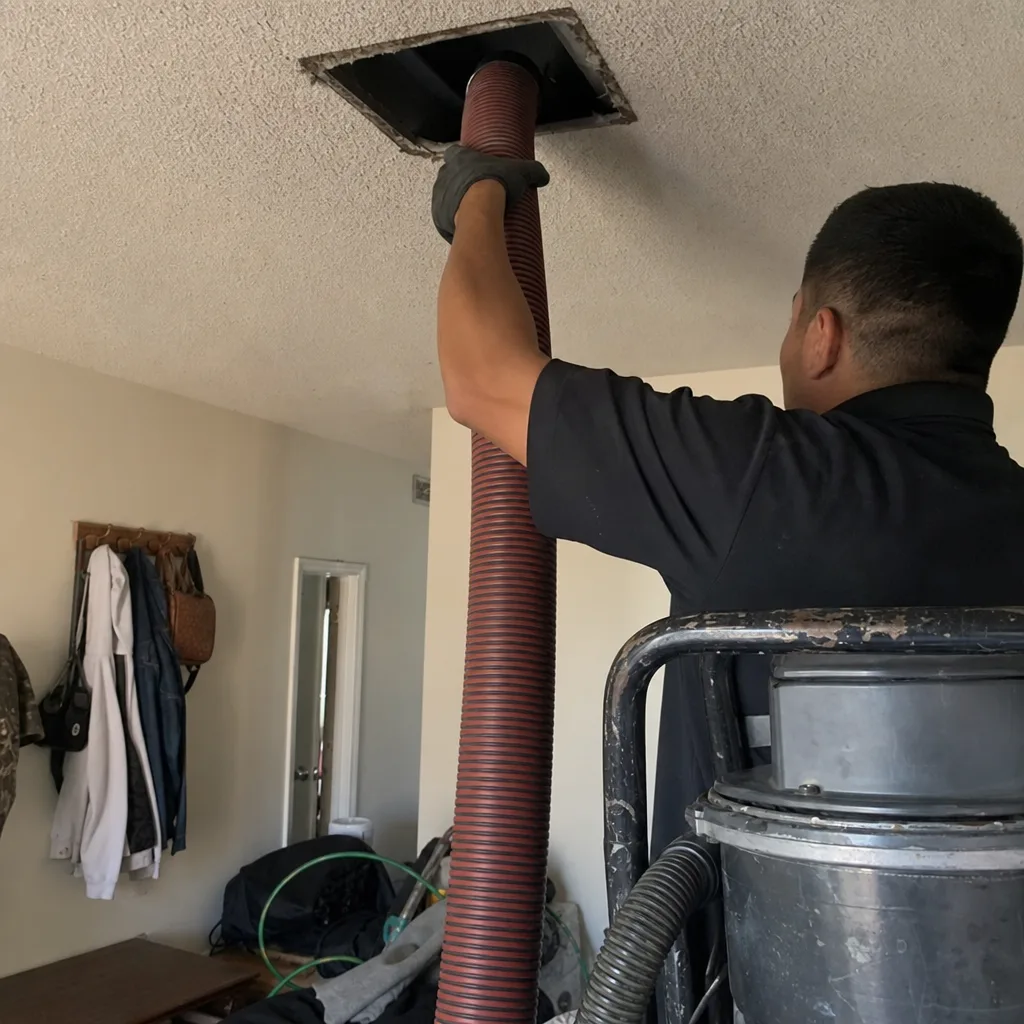 Before
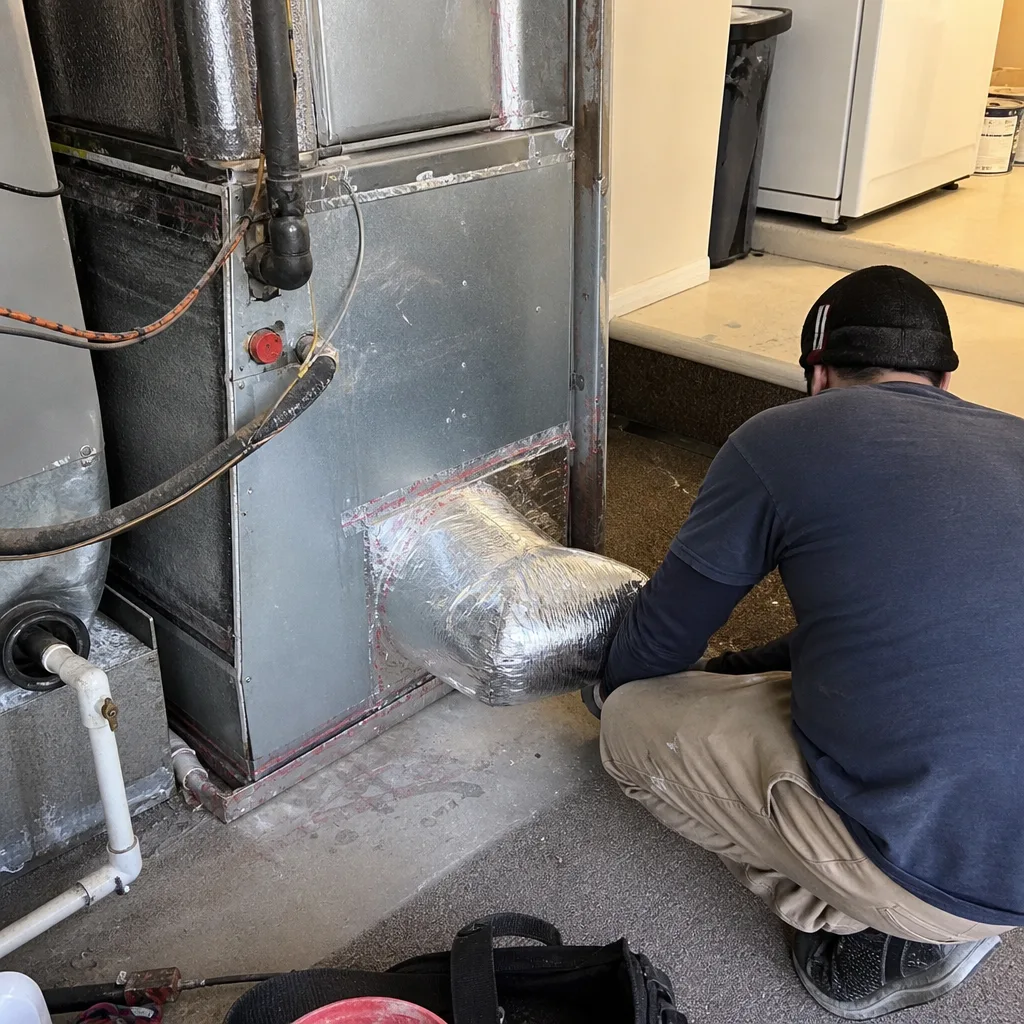 After
AfterRotobrush Register & Grille Cleaning: The Gilbert Owner’s Guide
Rotobrush register and grille cleaning in Gilbert typically runs $180-$340 per system, installed, with same-day scheduling when you call before noon. We stock Rotobrush-compatible register tools, brush heads, and vacuum attachments on every truck, so there’s no waiting on a parts run to Power Ranch or SanTan Village. Most Gilbert homeowners discover this service is needed when they notice dust blowing back out of freshly cleaned vents, or when the register faces still show grime after a full duct cleaning cycle.
Which Rotobrush Models This Applies To
Rotobrush builds its register and grille cleaning tools around two platform generations: the legacy Classic series (beast, Classic II, Classic III) and the current BrushBeast line (BrushBeast, BrushBeast 2.0, BrushBeast AI). The Classic series uses a 1.5-inch diameter quick-connect collar with a clockwise-locking tab. BrushBeast models shifted to a 2-inch collar with a bayonet-style quarter-turn lock. Mix the two and you’ll get a loose fit that leaks suction at the register face, which is exactly what we found in a Gilbert home last March - the homeowner had bought a Classic brush head online and forced it onto a BrushBeast 2.0 hose. The tab cracked in three places.
OEM Rotobrush register tools carry the blue-and-yellow label with a part prefix: CL- for Classic, BB- for BrushBeast. We also stock quality aftermarket equivalents from Nikro and Abatement Technologies that match the collar specs and use the same polypropylene bristle grade. The aftermarket brushes run 15-20% less, and we warranty them identically under our 365-Day Done Right Promise. If your machine’s label is worn off, measure the collar outer diameter with a tape measure - 1.5 inches means Classic, 2 inches means BrushBeast. No guesswork.
Signs Your Rotobrush Register & Grille Cleaning Is Failing
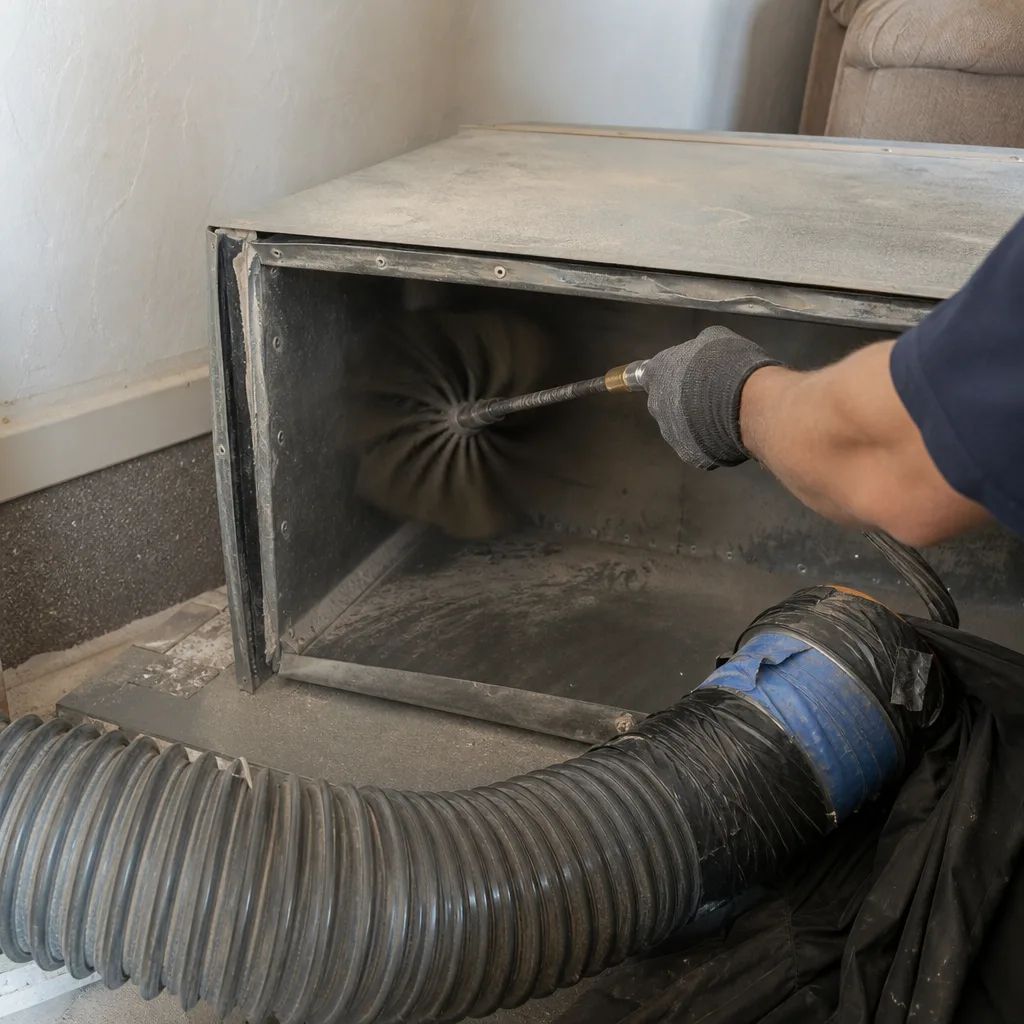
- Dust streaks reappear within 48 hours of cleaning. The brush head bristles have worn past their effective length (typically below 1.25 inches for standard register brushes) and are no longer making contact with the grille slats. In Gilbert’s hard water and high-dust environment, bristle wear accelerates about 30% faster than manufacturer estimates.
- Vacuum suction drops noticeably at the register face. The collar gasket has flattened or torn, creating an air gap between the hose end and the register box. We see this most often on machines that have been stored in garage cabinets through Gilbert summer heat, which degrades the rubber compound faster than climate-controlled storage.
- The brush head chatters or stalls against the grille. The drive cable inside the hose has developed a kink or the universal joint at the brush head is binding. This is a wear item, not a defect - the cable flexes thousands of times per job and eventually work-hardens at the stress points.
- Grime buildup concentrates in the corners of rectangular registers while the center looks clean. The brush head has lost its concentric rotation, usually because the bearing at the head has dried out. Without even spin, the bristles throw debris outward instead of lifting it into the vacuum stream.
- The vacuum motor labors or overheats during register work. The register tool’s airflow path is obstructed by a cracked internal baffle or a collapsed hose liner. This forces the vacuum motor to work against backpressure, which will destroy the motor if you keep running it.
BeforeAfterReplacement Cost & What’s Included
| Component | Price Range (Installed) | Notes |
|---|---|---|
| Register brush head (OEM Rotobrush) | $85-$140 | Includes collar, bristle assembly, bearing check |
| Register brush head (aftermarket equivalent) | $65-$110 | Nikro or Abatement Technologies, same warranty |
| Vacuum hose with collar assembly | $120-$220 | Full replacement if collar or liner is cracked |
| Drive cable replacement | $95-$165 | Only if cable is kinked or joint is binding |
| Full register & grille cleaning service (labor) | $180-$340 | Per HVAC system; includes photo documentation |
What moves the price: how many registers the system has (Gilbert’s 2015-2022 builds average 12-16 registers), whether the register boxes are standard or oversized decorative grilles, and whether we find collateral damage like cracked flex duct behind the register. Every job starts with a written price under Haven Standard Clause 1 - no exceptions. The 365-Day Done Right Promise covers parts and labor. You’ll receive a Documented Photo Record of every register before and after, delivered as part of the standard job record.
DIY or Call Us?
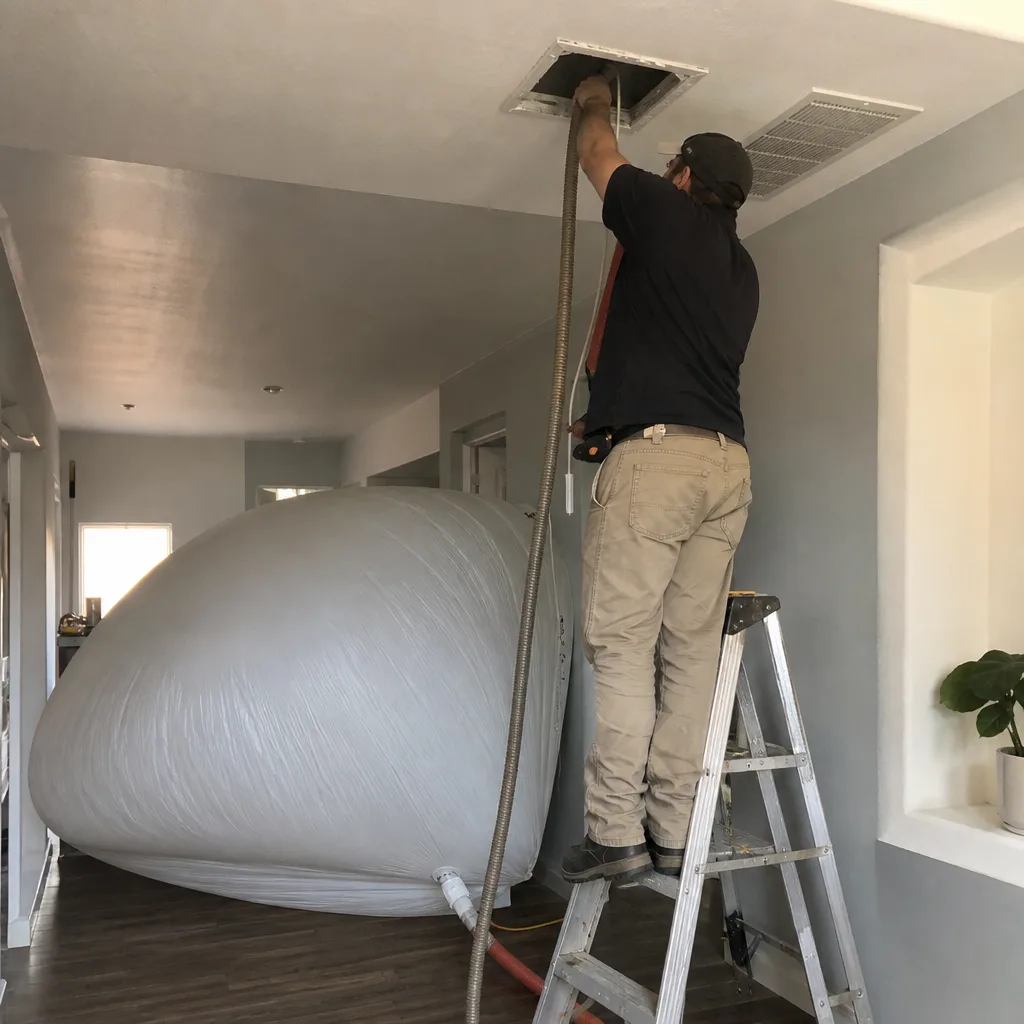
There’s no high-tension spring or electrical hazard in register brush replacement, so the safety barrier here is lower than with some other Rotobrush repairs. What an owner can safely check: confirm the collar diameter, inspect bristle length with a ruler, and look for visible cracks in the hose or collar. Where DIY goes wrong: forcing mismatched collars (the Classic/BrushBeast mismatch we described above), using generic hardware-store brushes that don’t match the vacuum airflow spec, and missing a cracked hose liner that’s hidden inside the corrugated jacket. A cracked liner will dump vacuum pressure for weeks before it shows on the outside.
We’re not affiliated with Rotobrush - we’re an independent service provider - so our recommendation is based on what the photo shows, not on selling OEM parts. If your brush head just needs replacement and the collar fits cleanly, we’ll say so. If the hose is compromised and you’re better off with a full assembly, we’ll show you the photo and put both options in writing. The photo tells you what’s in there. The price tells you what it costs to fix it. Everything else is just paperwork.
Call (520) 666-7643 for a written estimate. Tomas Reyes or one of our uniformed, background-checked technicians under Haven Standard Clause 3: Verified Crews will inspect the fit, photograph the condition, and deliver a fixed price before any work starts.
FAQs
In Gilbert’s climate, a register brush head used for residential cleaning typically lasts 80-120 jobs before bristle wear reduces effectiveness below spec. The hard water mineral content and fine desert dust are harder on polypropylene bristles than the manufacturer baseline, which assumes Midwest humidity and larger particle debris. Call (520) 666-7643 and we’ll measure your current brush during the inspection - no charge.
Sometimes. A dry bearing can be relubricated, and a loose collar pin can be reseated. But a cracked collar, kinked drive cable, or brush head with worn bristles below 1.25 inches is a replacement item - repair attempts fail within the next few jobs. We stock replacements on every truck so there’s no delay if the inspection shows replacement is the right call.
A typical Gilbert home with 12-16 registers takes 2.5 to 4 hours, depending on grille type and what the camera finds behind the register face. Decorative oversized grilles add time because they require hand-detailing after the brush pass. Every register is photographed before and after, and the photo record is delivered with the written invoice.
We stock Rotobrush-compatible register tools, brush heads, collars, and hose assemblies on every service truck, along with Nikro and Abatement Technologies equivalents. Same-day completion is standard when you schedule before noon. We also carry parts for Lennox, Trane, and Carrier systems if your HVAC equipment needs attention during the same visit.
Written by Tomas Reyes, Owner & Lead Technician, CleanRun Air Duct Cleaning Gilbert at CleanRun Air Duct Cleaning Gilbert, serving Gilbert and nearby areas.