
Whole-system duct and dryer vent check with before-and-after photos - you see exactly what came out of your vents
That "$99 whole-house special" is a bait ad - the real number appears once they are in your hallway, or the "clean" is a shop-vac at the register. We photograph the inside of your ducts before and after instead.
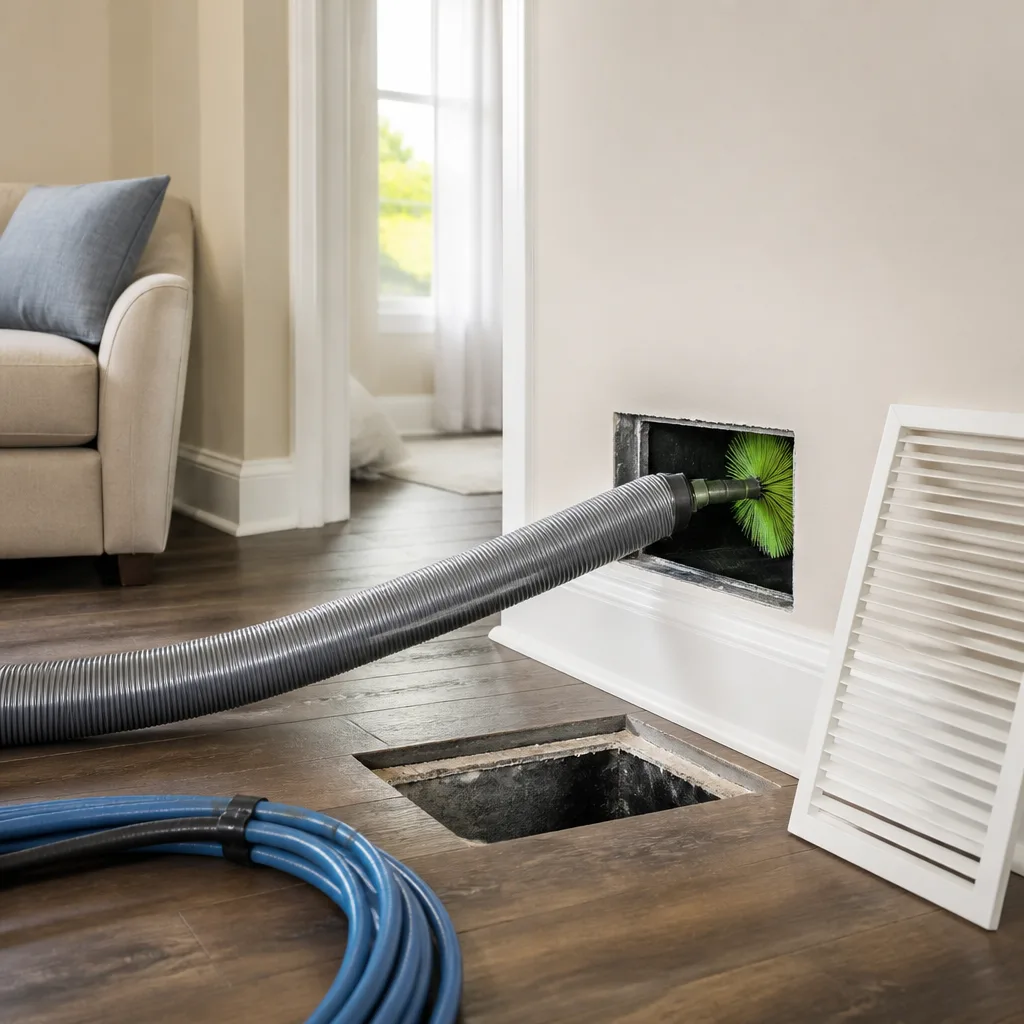
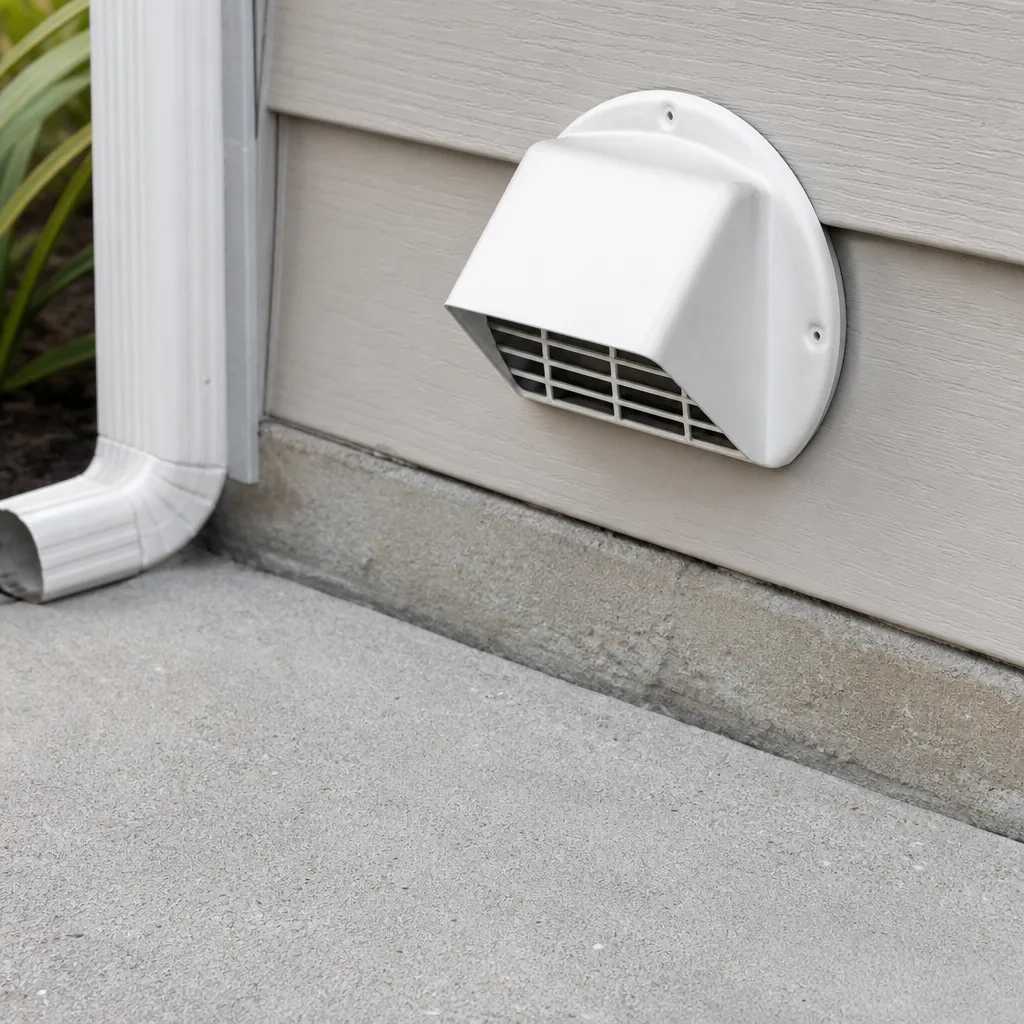
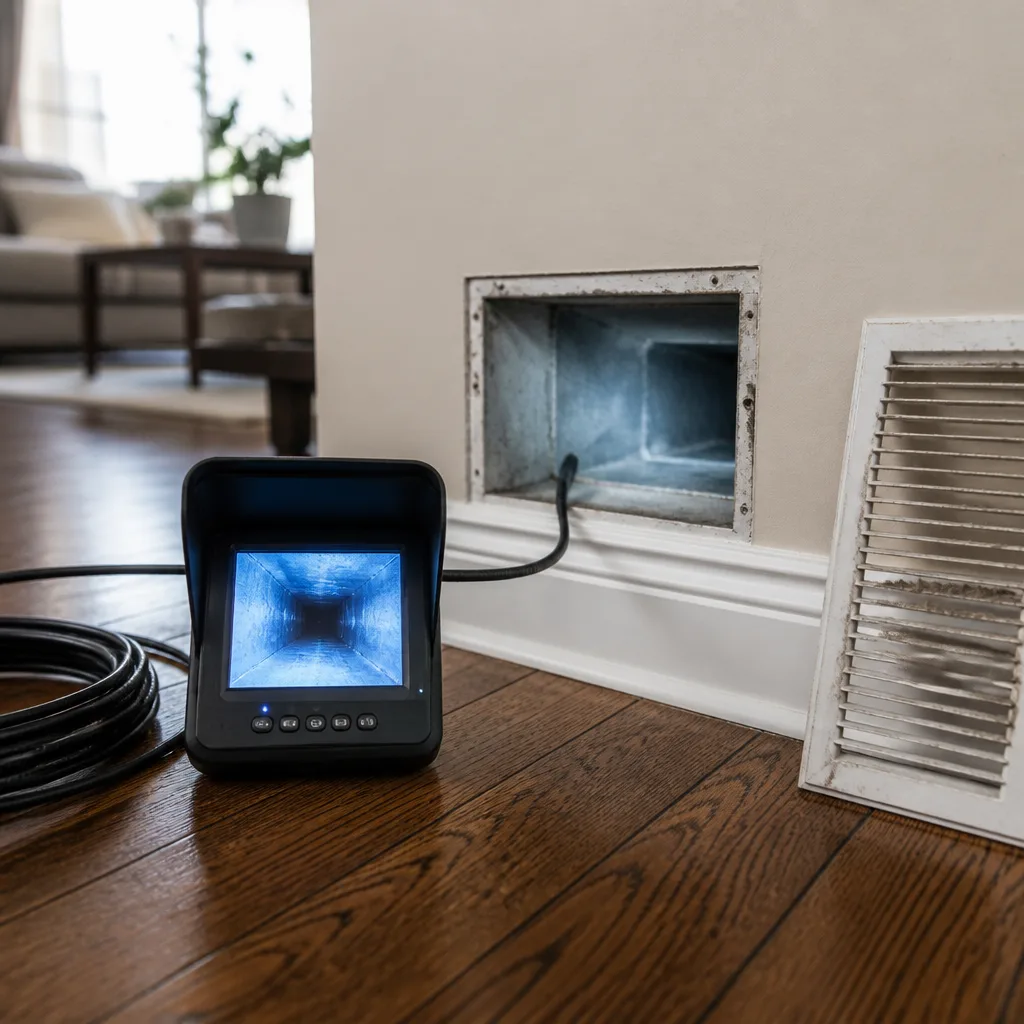
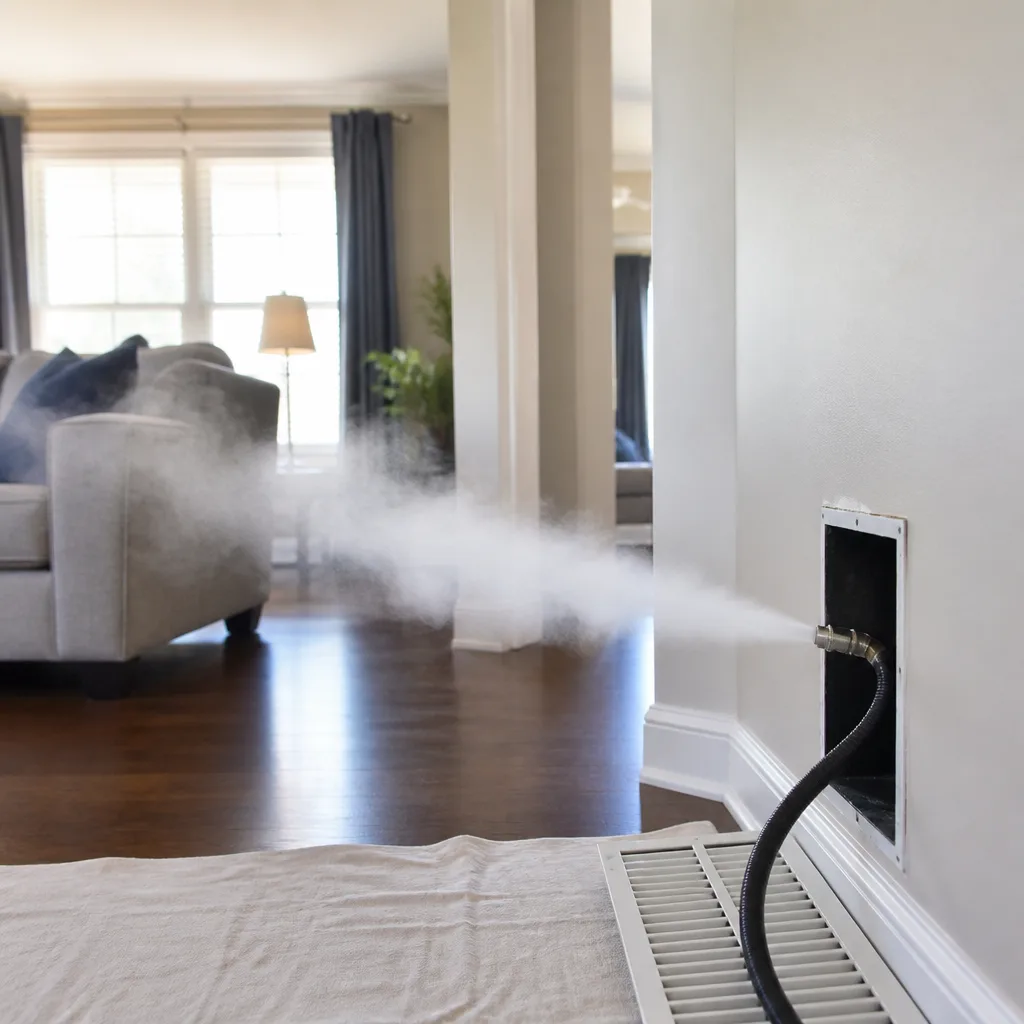
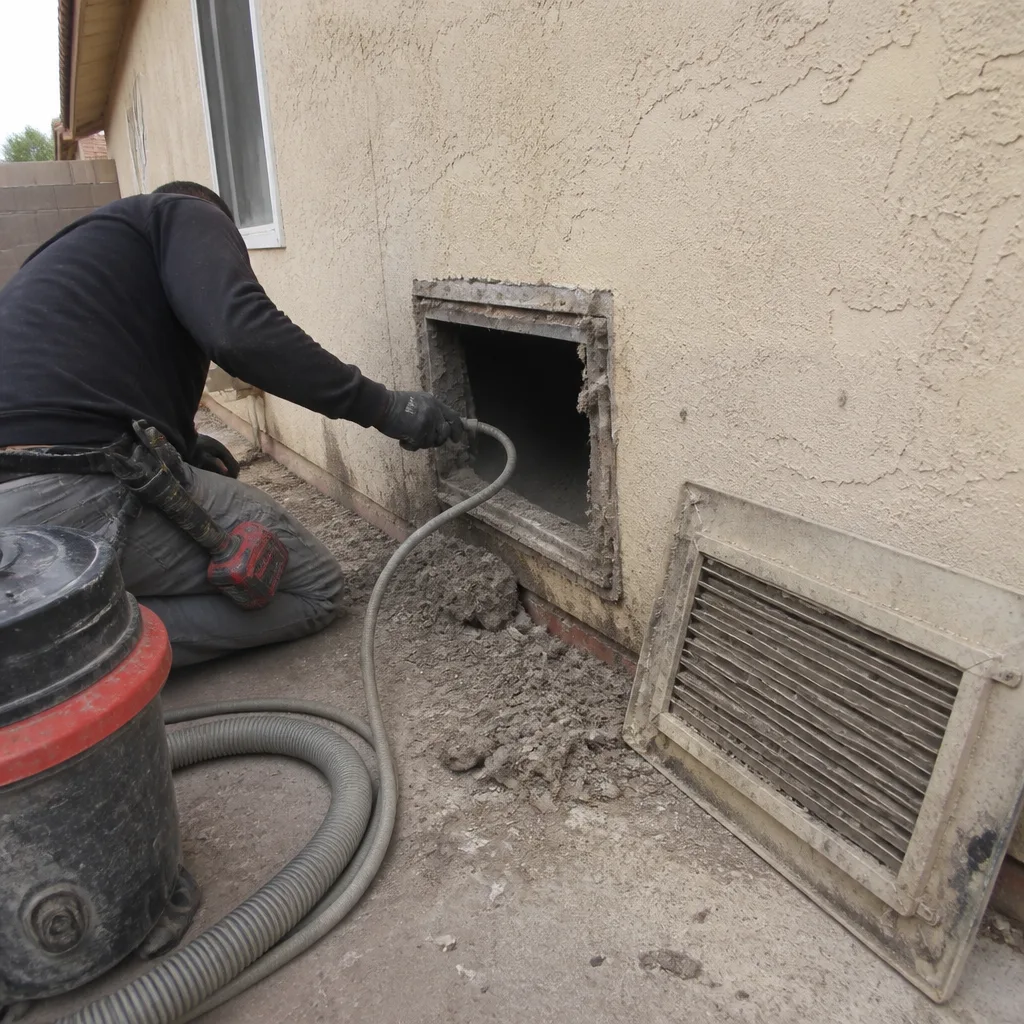 Before
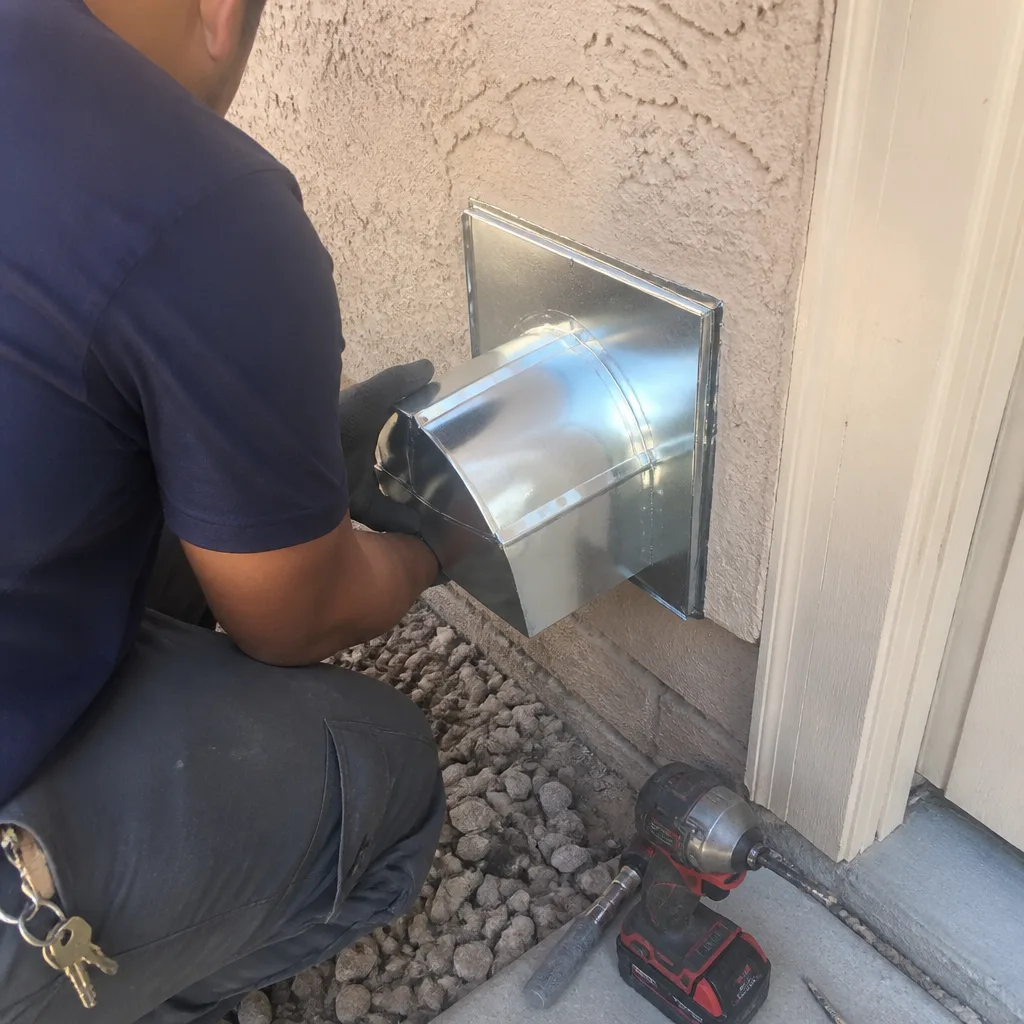 After
After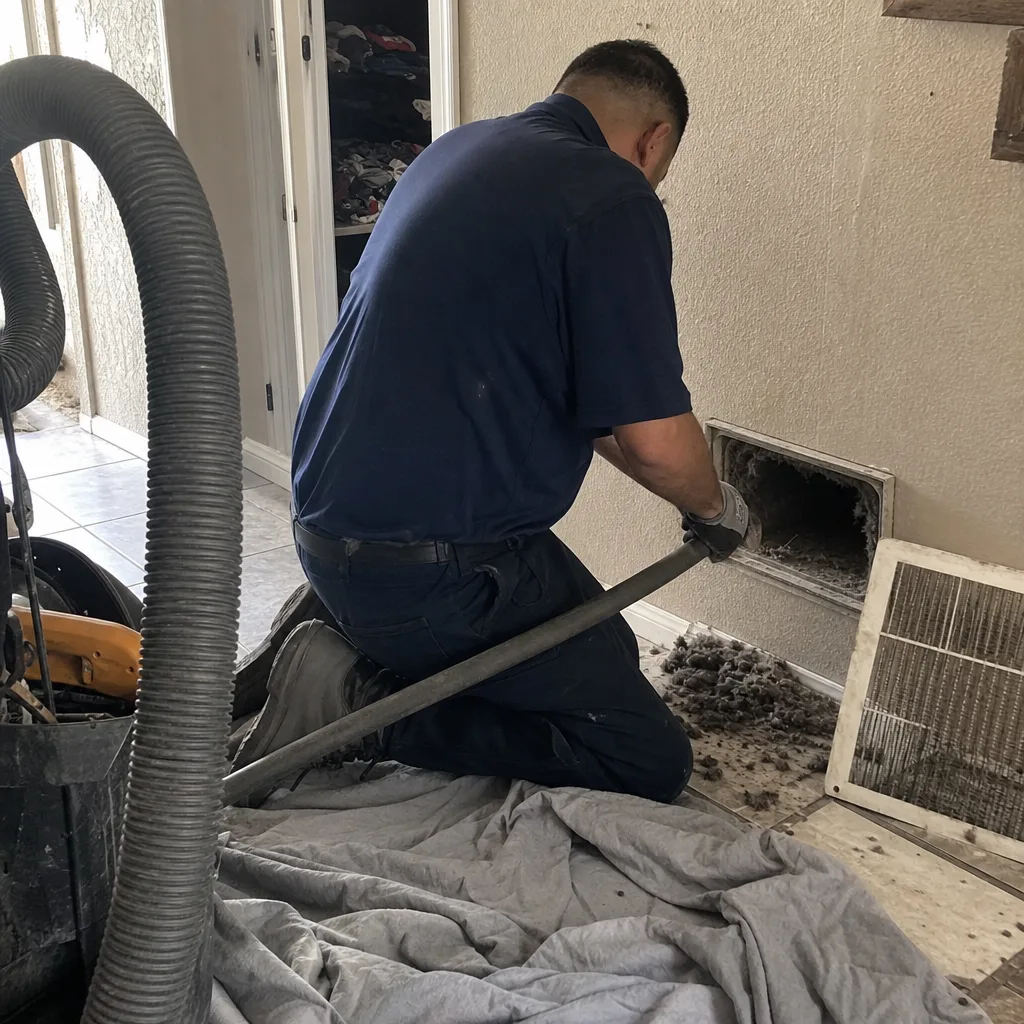 Before
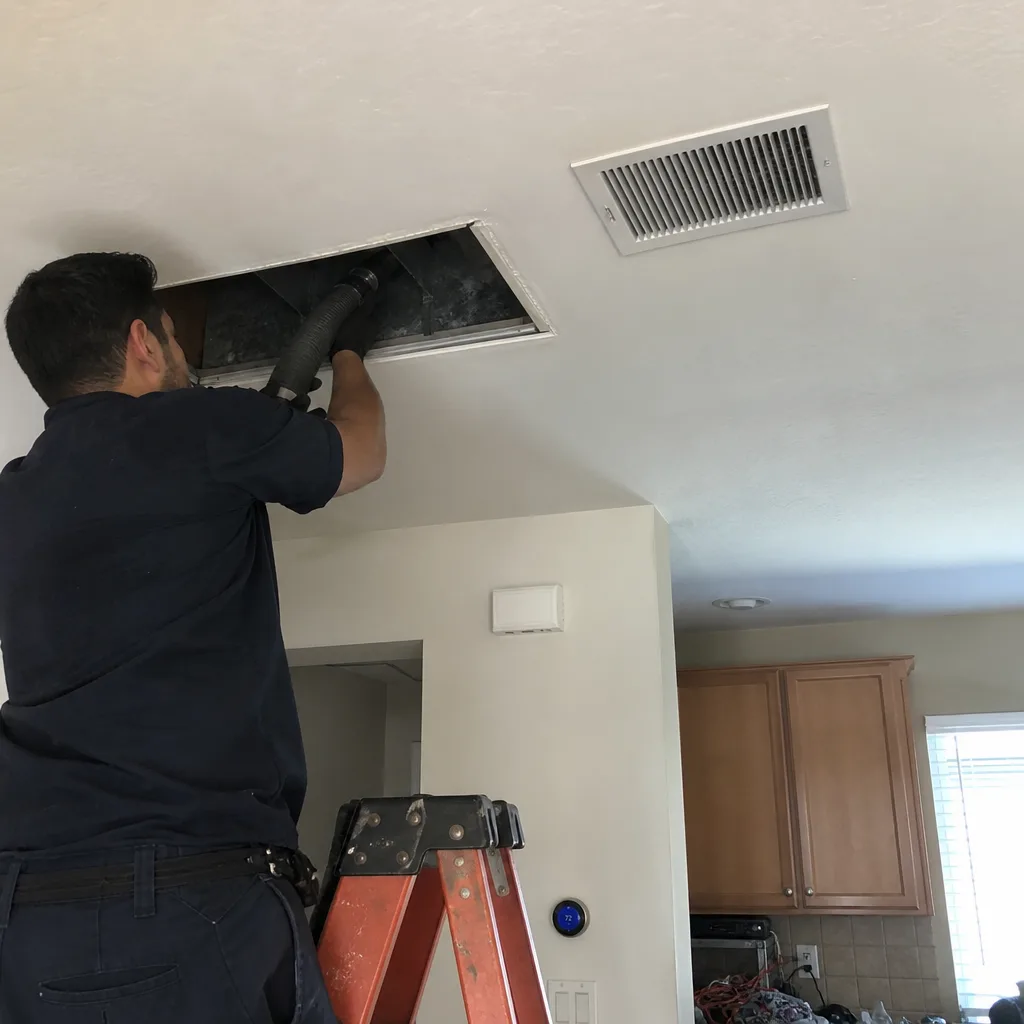 After
After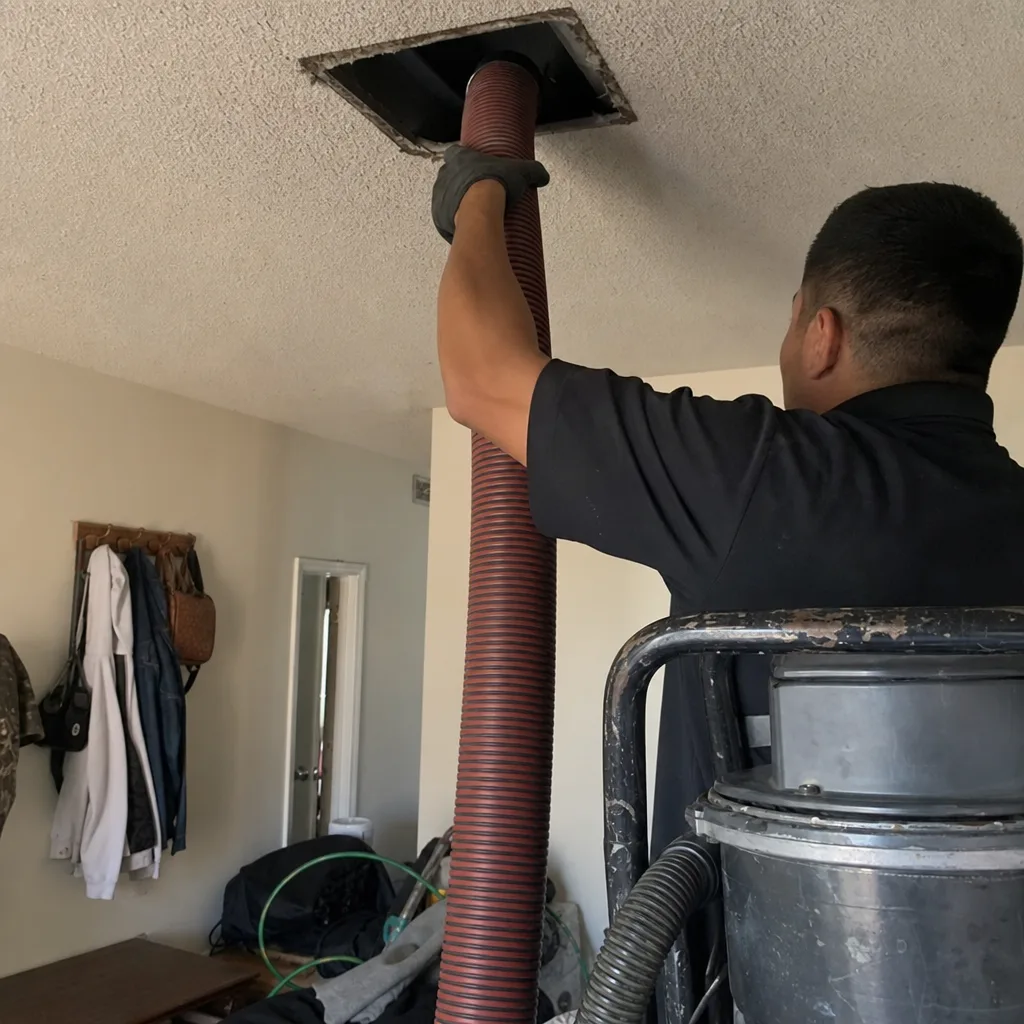 Before
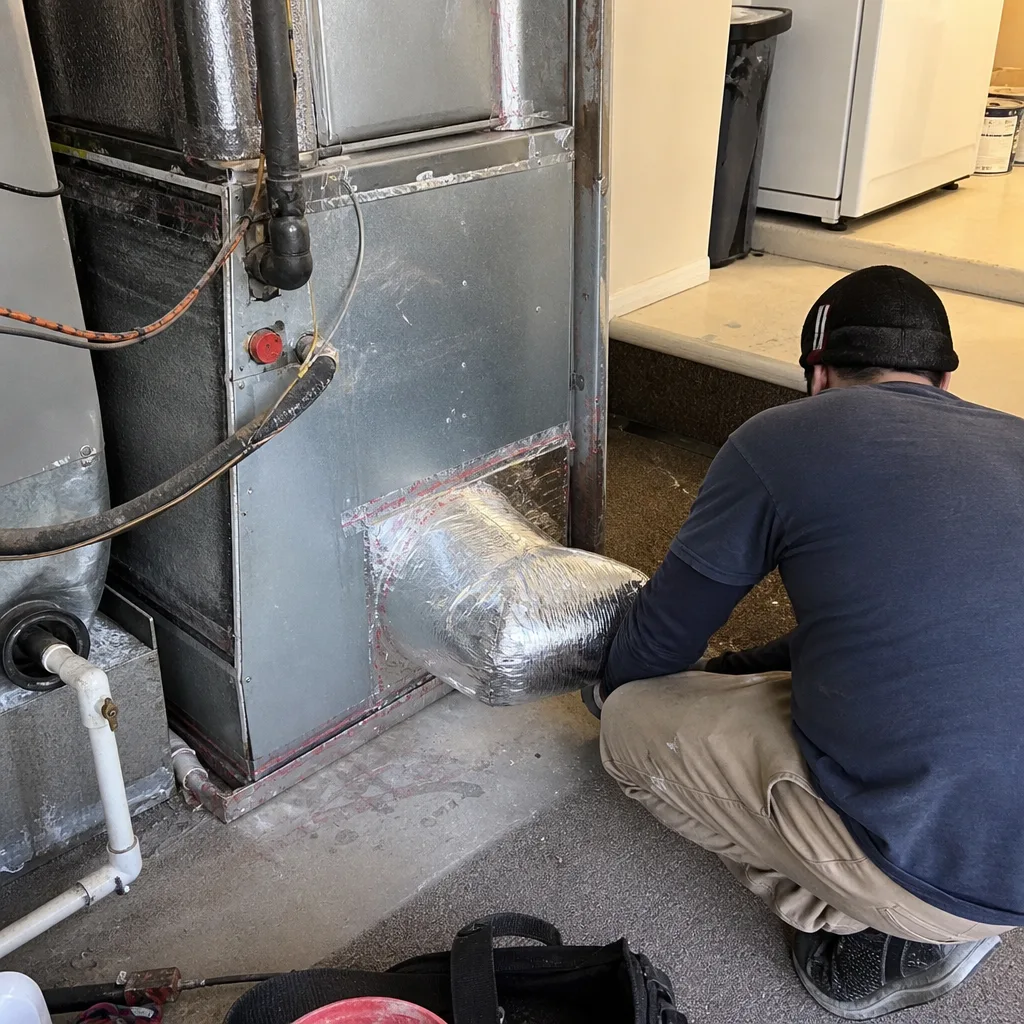 After
AfterRotobrush Vent Sanitizing: The Gilbert Owner’s Guide
Rotobrush vent sanitizing in Gilbert typically runs $280-$480 installed for a complete whole-system treatment, and we stock the full Rotobrush-compatible chemistry and application hardware on our trucks for same-day scheduling. Most Gilbert owners discover their vent sanitizing system has failed when they notice persistent musty airflow after a standard duct cleaning, or when their Rotobrush unit’s fogger attachment clogs with dried solution from a previous incomplete application. The photo tells you what’s in there. The price tells you what it costs to fix it. Everything else is just paperwork.
Which Rotobrush Models This Applies To
Rotobrush has produced three distinct fogger-sanitizer lines since 2010, and the compatibility picture matters because the fittings and solution ratios differ materially between them. The original Roto-Vac Fogger series (2010-2016) uses a 1.5-inch quick-connect wand fitting and a 12-volt diaphragm pump rated at 0.4 GPM. The current RotoBrush Beast and aiR+ lines (2017-present) share a 2-inch cam-lock fitting and a 24-volt pump assembly at 0.8 GPM. We stock both OEM Rotobrush sanitizer cartridges and quality aftermarket equivalents from Guardsman that match the OEM spec sheets for active ingredient concentration (quaternary ammonium at 800-1200 PPM when mixed).
The identification check is straightforward: look at the wand connection point above the brush head. If it’s a threaded collar, you’ve got the older Roto-Vac series. If it’s a cam-lock with a brass locking ring, you’re on Beast or aiR+ hardware. The common gotcha in Gilbert is that some owners inherited a mixed system, a previous technician having adapted an older wand to newer hose with a reducer fitting that fails under pressure. We carry both OEM Rotobrush fittings and machined brass adapters, but we’ll tell you if that reducer is the real problem rather than selling you a full replacement assembly.
CleanRun Air Duct Cleaning Gilbert is an independent service provider, not affiliated with Rotobrush. We also stock parts and perform sanitizing for Lennox, Trane, and Carrier systems when the application calls for it.
Signs Your Rotobrush Vent Sanitizing Is Failing
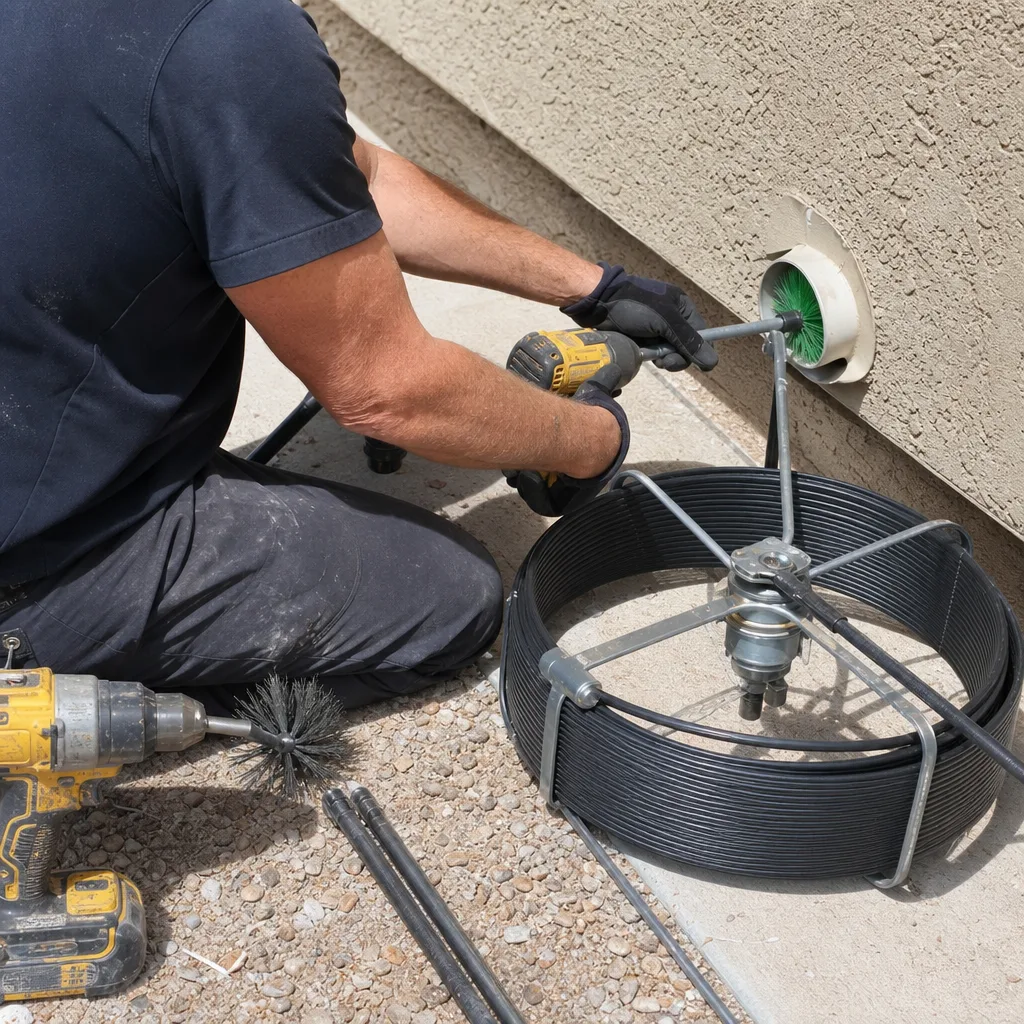
- Uneven solution distribution. The fogger pulses or sprays in streaks rather than a consistent mist. This usually means the diaphragm pump has cracked from heat cycling, a common failure in Gilbert attics where summer temperatures exceed 140°F and degrade the rubber compound faster than the manufacturer spec of 5-7 years.
- Visible crystalline residue at register openings. Dried sanitizer crystals forming on vent louvers indicate the solution was mixed too strong or the fogger nozzle is partially blocked, causing droplet coalescence instead of proper aerosolization. The residue is inert but signals the system isn’t treating the full duct run.
- Chemical smell that lingers beyond 4 hours post-treatment. A properly applied quaternary ammonium fog dissipates to undetectable levels within 2-4 hours with normal HVAC airflow. Persistent odor means the solution pooled in low spots of the ductwork, usually from over-application or insufficient air velocity during the fogging cycle.
- Pump motor runs but no fluid moves. The check valve has stuck closed, often from dried solution left in the lines after the last job. In Gilbert’s hard water conditions, mineral scale accelerates this failure mode compared to softer-water markets.
- Intermittent power to the fogger unit. The wiring harness at the hose connection frays from flex stress where the hose enters the trunkline access point. We’ve replaced this harness on three Power Ranch jobs in the past two years, all showing identical wear patterns at the 18-inch mark from the wand end.
BeforeAfterReplacement Cost & What’s Included
| Component | Price Range (Gilbert) |
|---|---|
| Complete fogger assembly swap (Beast/aiR+ series) | $340-$480 |
| Diaphragm pump replacement only | $280-$360 |
| Wiring harness replacement | $180-$240 |
| Nozzle/deep clean and recalibration | $140-$200 |
The range depends on access difficulty. A fogger swap in a single-story home with a centrally located attic hatch takes roughly 90 minutes. Two-story homes in Gilbert’s gated communities, particularly those with rooftop HVAC packages common in the 2018-2022 builds around Adora Trails, require additional ladder work and safety rigging that adds labor time. Haven Standard Clause 1 applies: we deliver a written price before any work starts, every time. That written scope includes the parts list, labor hours estimated, and the 365-Day Done Right Promise. No per-vent pricing, no add-ons once the truck is on your driveway. The Documented Photo Record, before and after every duct run, is included as standard.
DIY or Call Us?
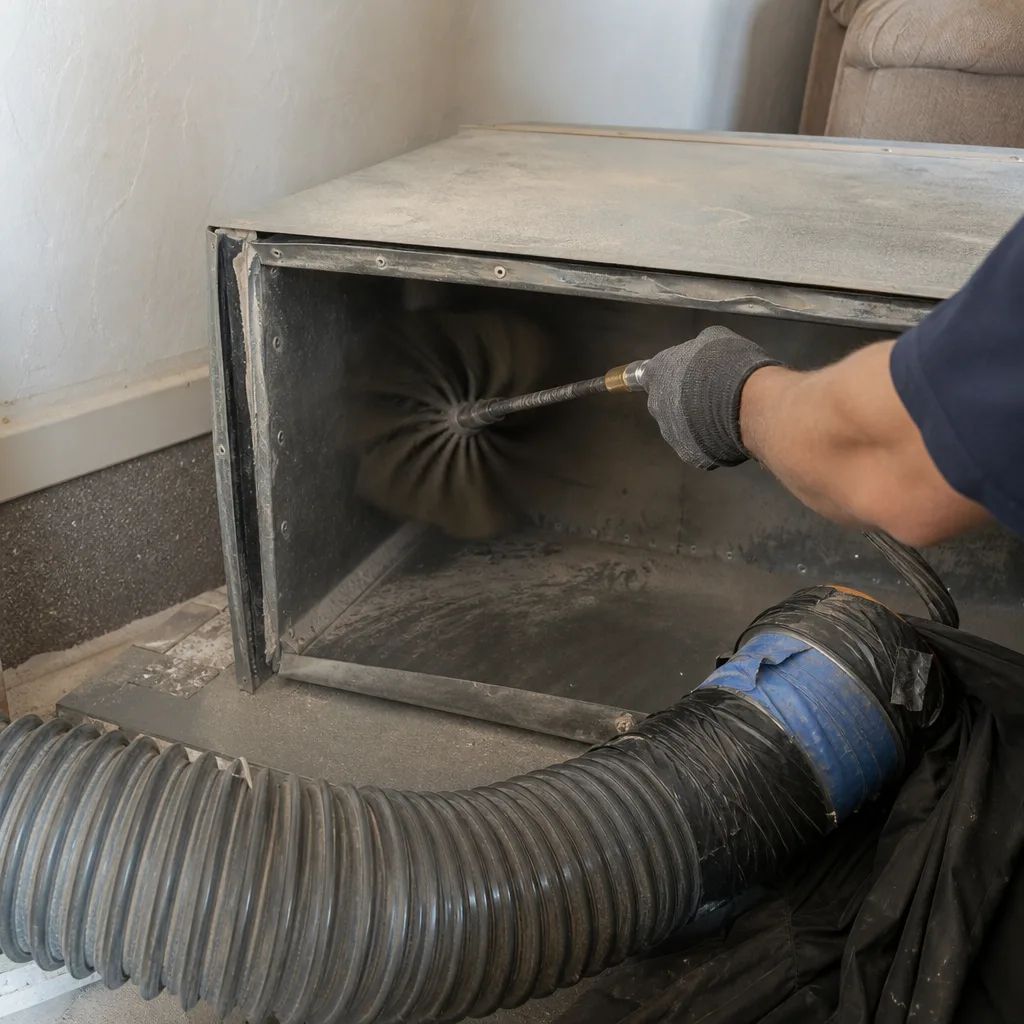
There’s a safe middle ground and a hard stop. An owner can verify the model series from the label, check the hose connection for visible cracks, and confirm the solution reservoir isn’t empty. These checks take ten minutes and require no tools beyond a flashlight.
Where DIY goes wrong is the pump rebuild and the chemical mixing. The diaphragm pump operates at 45 PSI, enough to force sanitizer through skin if the housing cracks during disassembly. The quaternary ammonium solution requires precise dilution, 1:64 for maintenance fogging and 1:32 for post-remediation treatment. We’ve been called to Gilbert homes where an owner mixed at 1:8, creating a residue film that required full duct re-cleaning. The wiring harness replacement also involves line-voltage connections at the control module, a genuine electrical hazard in an attic environment.
Our recommendation: check the basics, then call (520) 666-7643. We’ll confirm what’s actually failed and give you a written price before we open a single panel.
FAQs
In Gilbert’s climate, a properly applied treatment remains effective for 12-18 months before microbial load rebuilds to pre-treatment levels. The 140°F+ attic temperatures don’t degrade the residual protection faster, but they do accelerate dust and debris accumulation that can harbor new growth. Call (520) 666-7643 and we’ll assess whether you’re due based on your last treatment date and current photo evidence.
Sometimes. A stuck check valve or clogged nozzle can be cleaned and restored to spec. A cracked pump housing or heat-degraded diaphragm requires replacement, the housing isn’t a field-repairable component. We stock both repair kits and full assemblies on our trucks, so the technician can show you the failed part and explain which path makes sense before you commit. Free Second Opinion on any written estimate from another provider.
Most fogger replacements take 90 minutes to 2 hours from truck arrival to final photo documentation. Two-story homes with rooftop equipment, or homes with restricted attic access like those in the Agritopia historic district, may extend to 3 hours. We don’t charge by the hour, the written price is fixed regardless.
Yes. We carry OEM and Guardsman-compatible fogger assemblies, diaphragm pumps, wiring harnesses, nozzles, and the full range of sanitizer solutions for both the Roto-Vac and Beast/aiR+ series. If your system uses an adapter or hybrid fitting we don’t have, we’ll source it within 24 hours and hold the quoted price. Haven Standard Clause 3: Verified Crews, background-checked technicians who arrive in uniform with photo ID.
Written by Tomas Reyes, Owner & Lead Technician, CleanRun Air Duct Cleaning Gilbert at CleanRun Air Duct Cleaning Gilbert, serving Gilbert and nearby areas.