
Last updated September 23, 2026
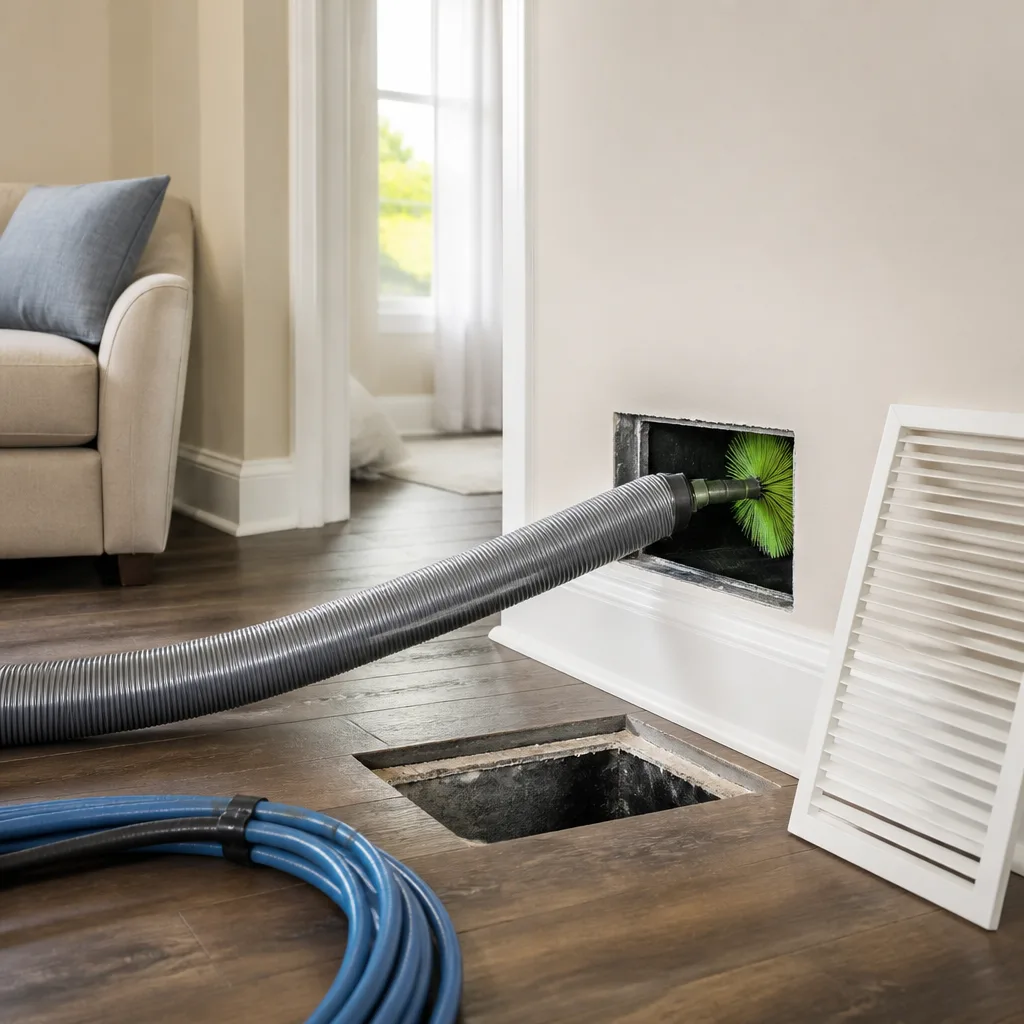
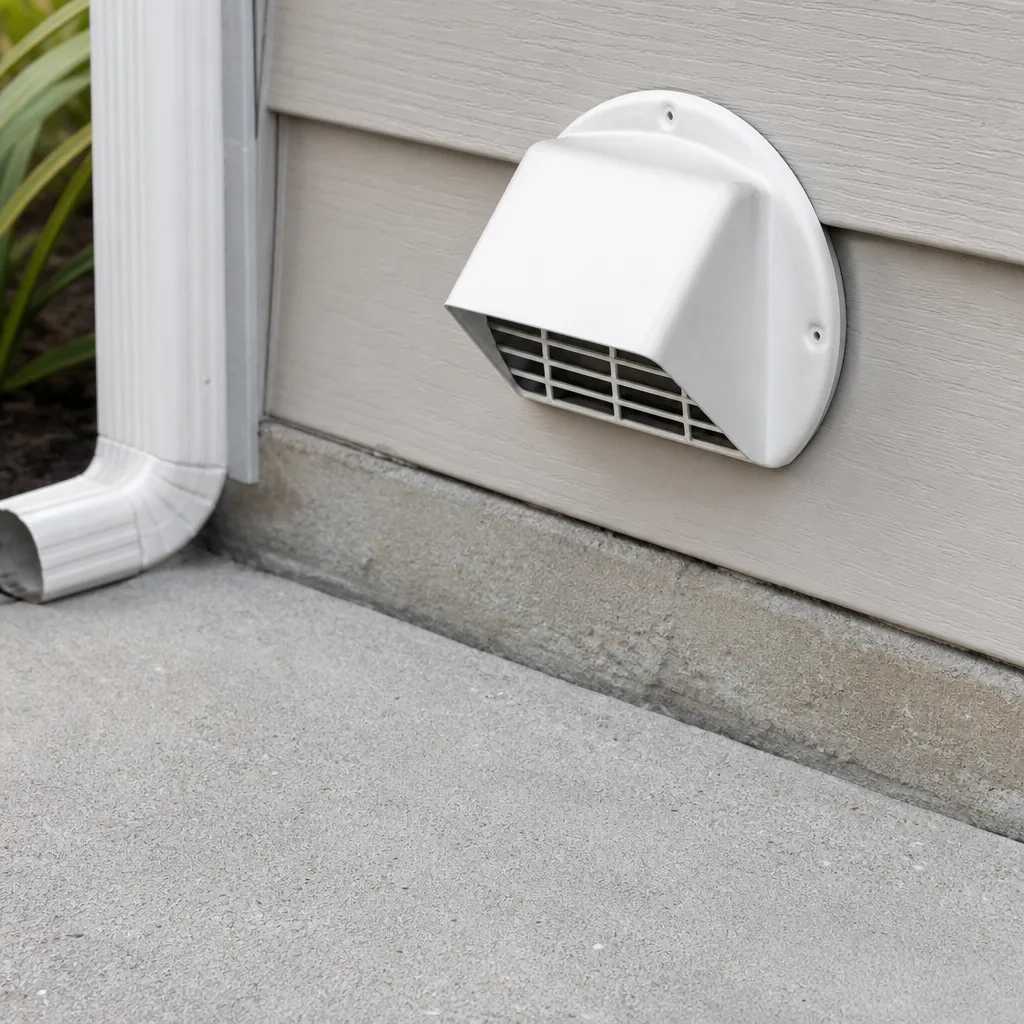
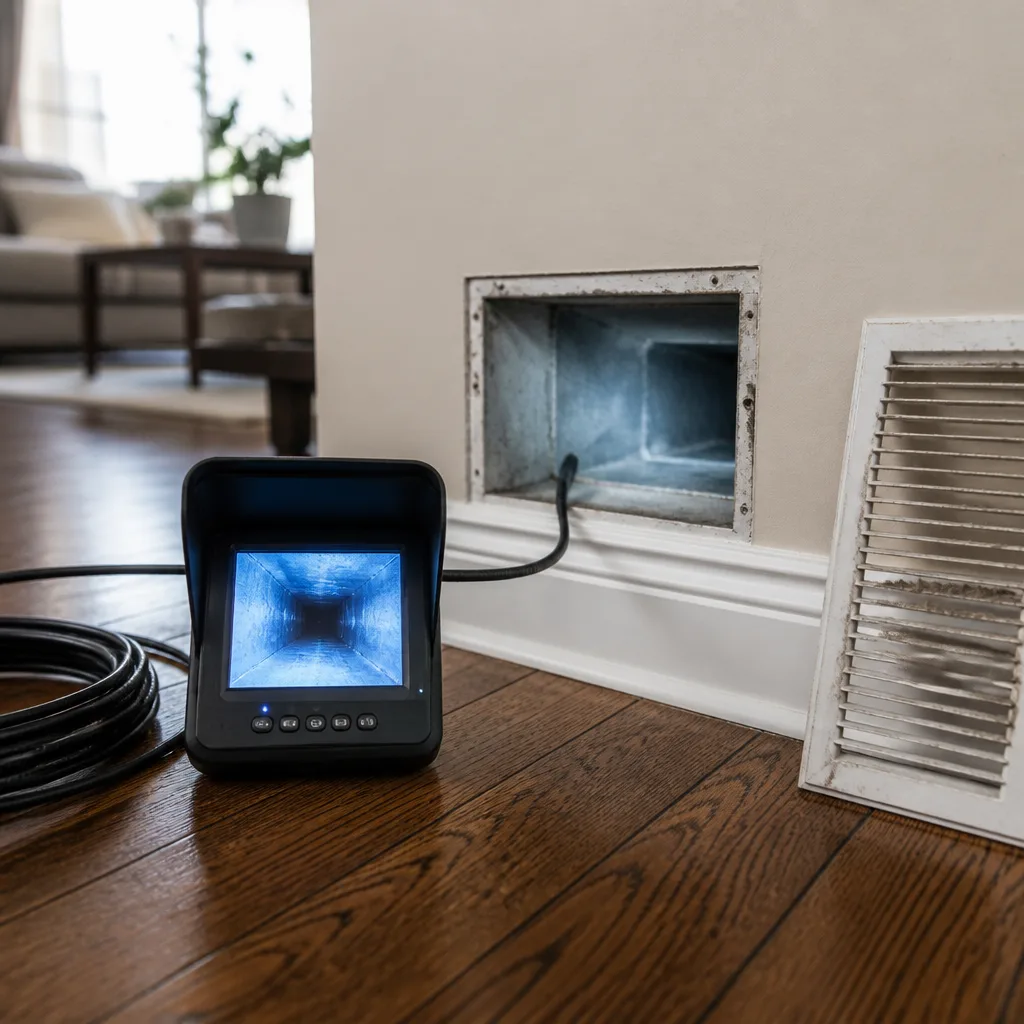
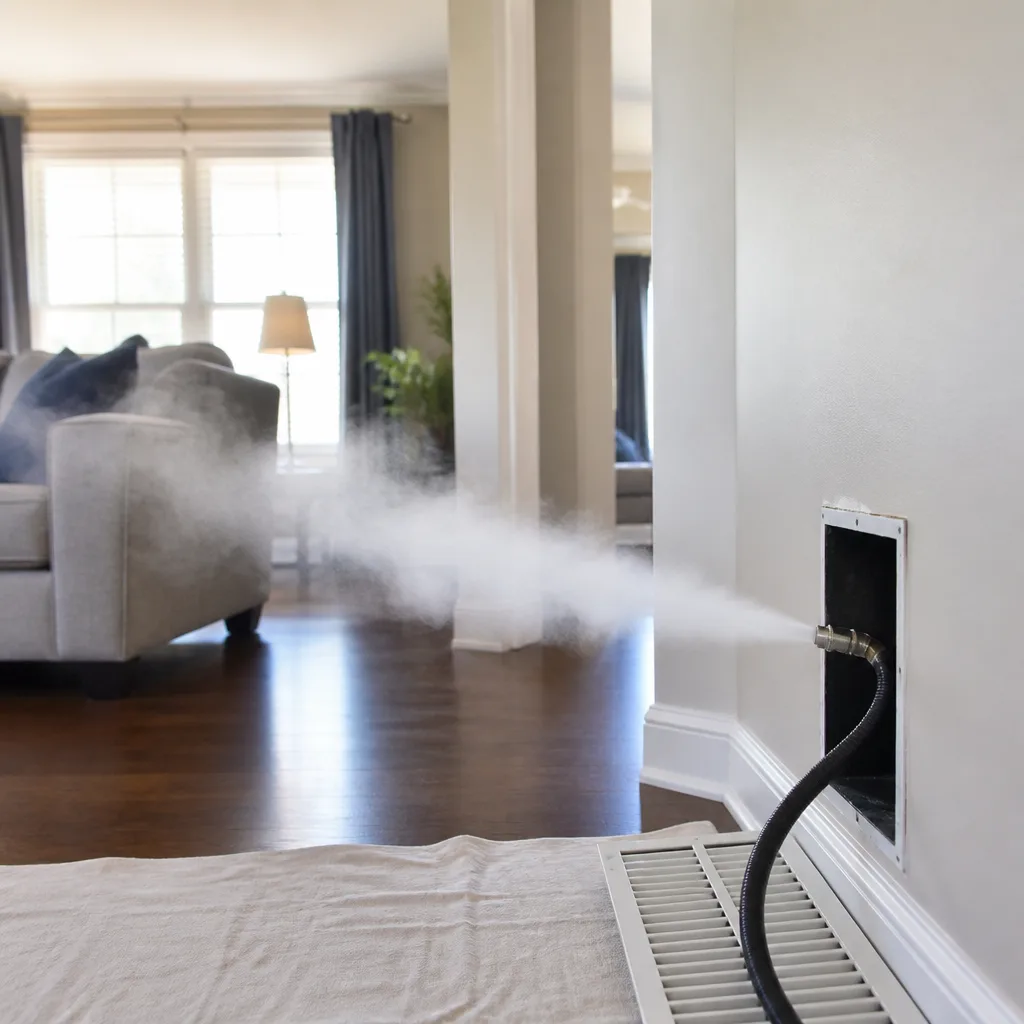
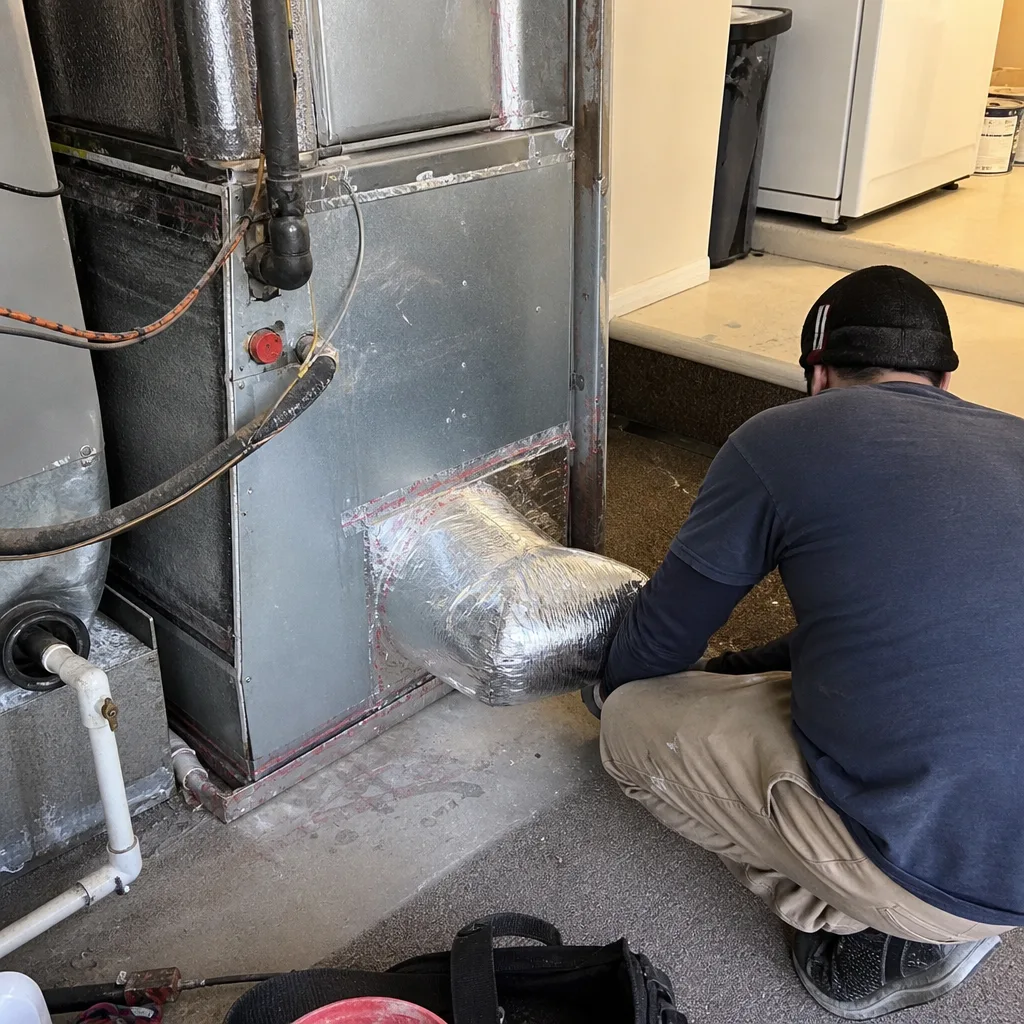
Whole-system duct and dryer vent check with before-and-after photos - you see exactly what came out of your vents
That "$99 whole-house special" is a bait ad - the real number appears once they are in your hallway, or the "clean" is a shop-vac at the register. We photograph the inside of your ducts before and after instead.
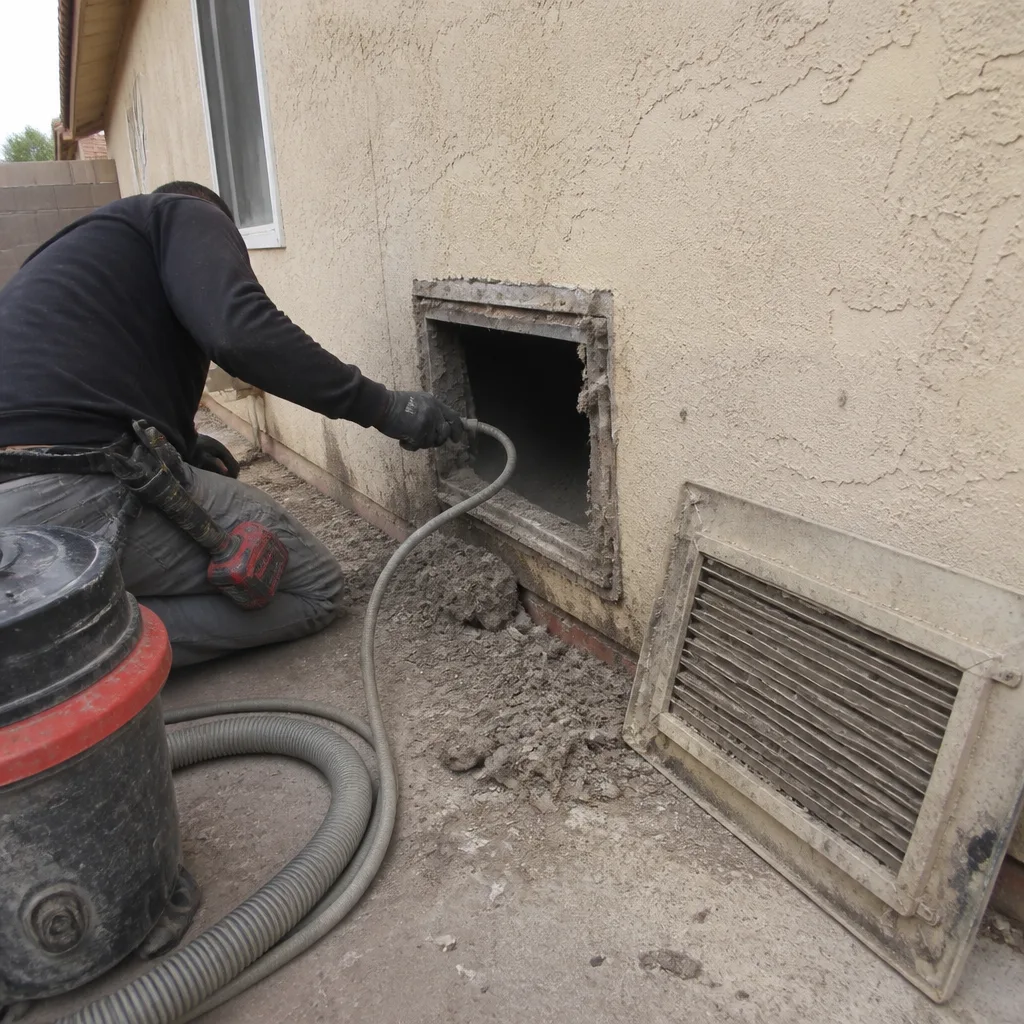 Before
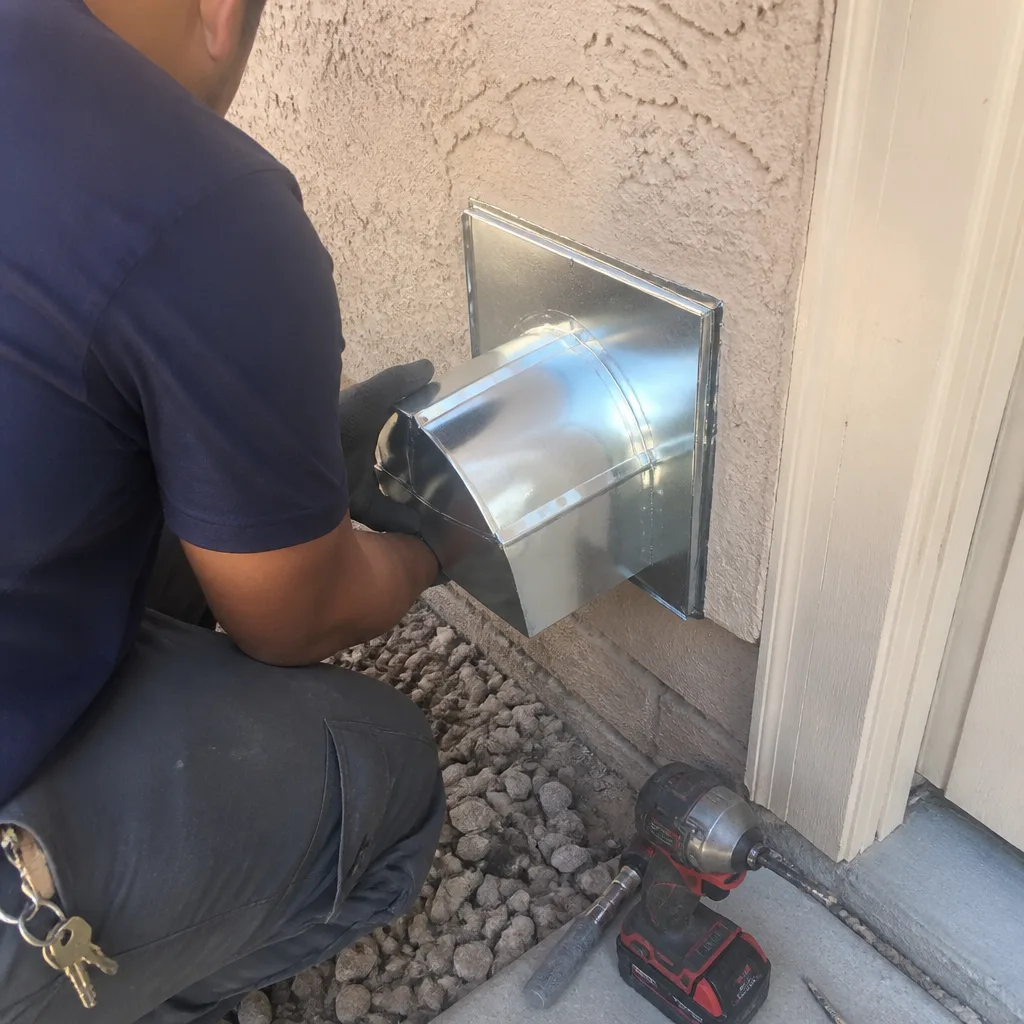 After
After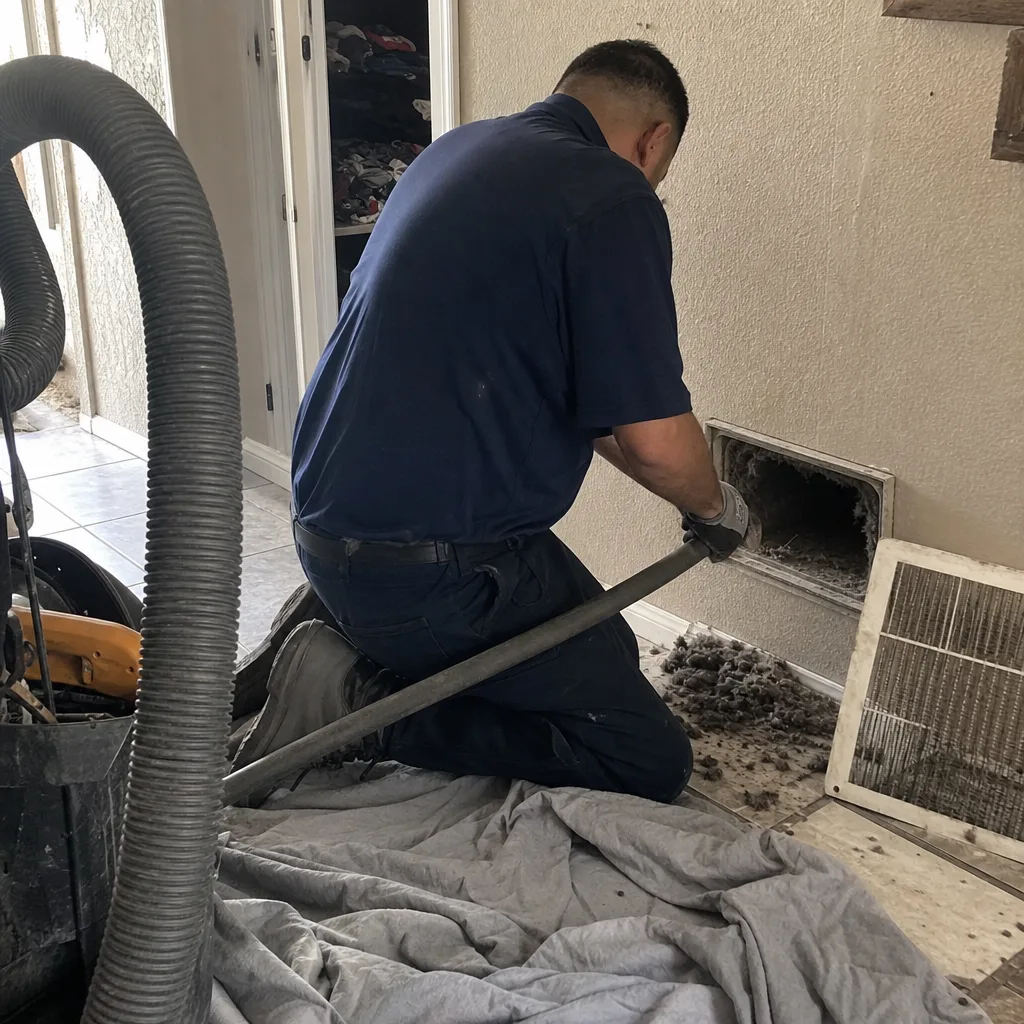 Before
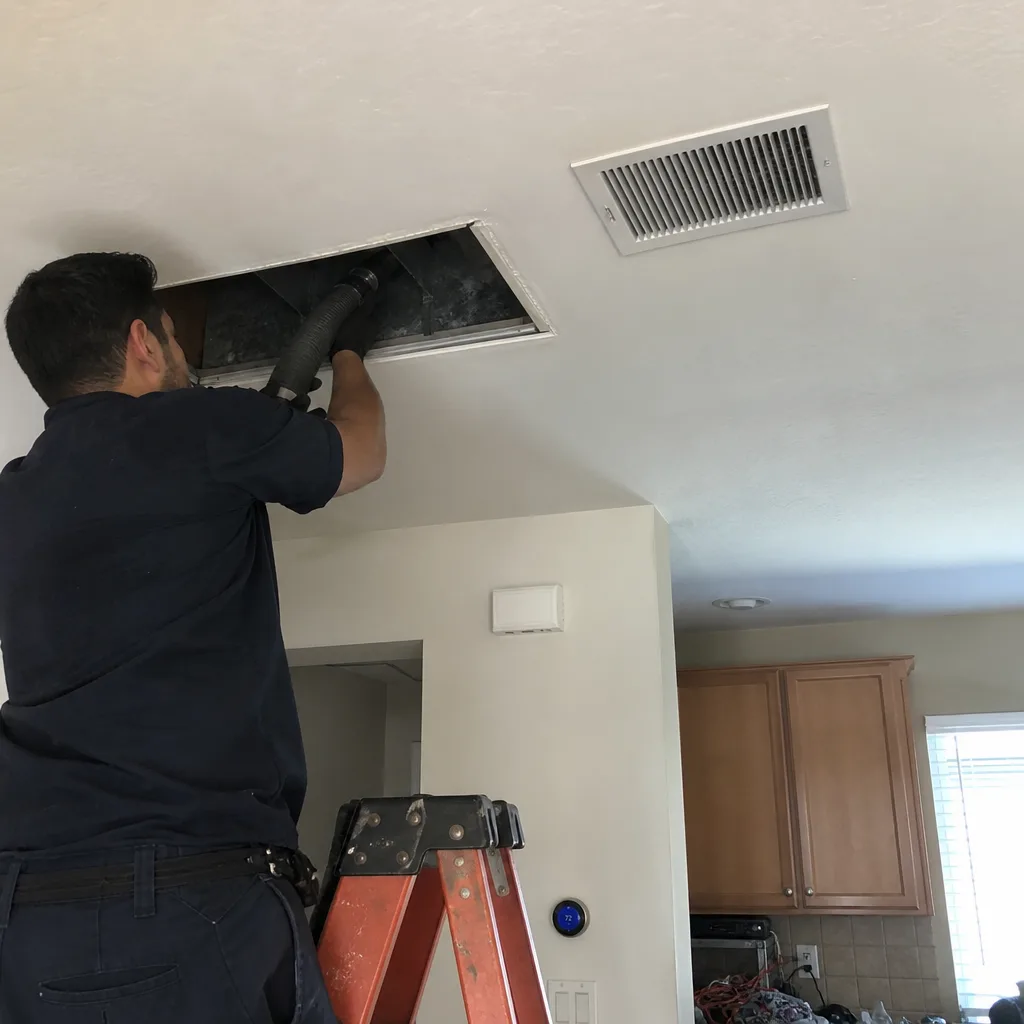 After
After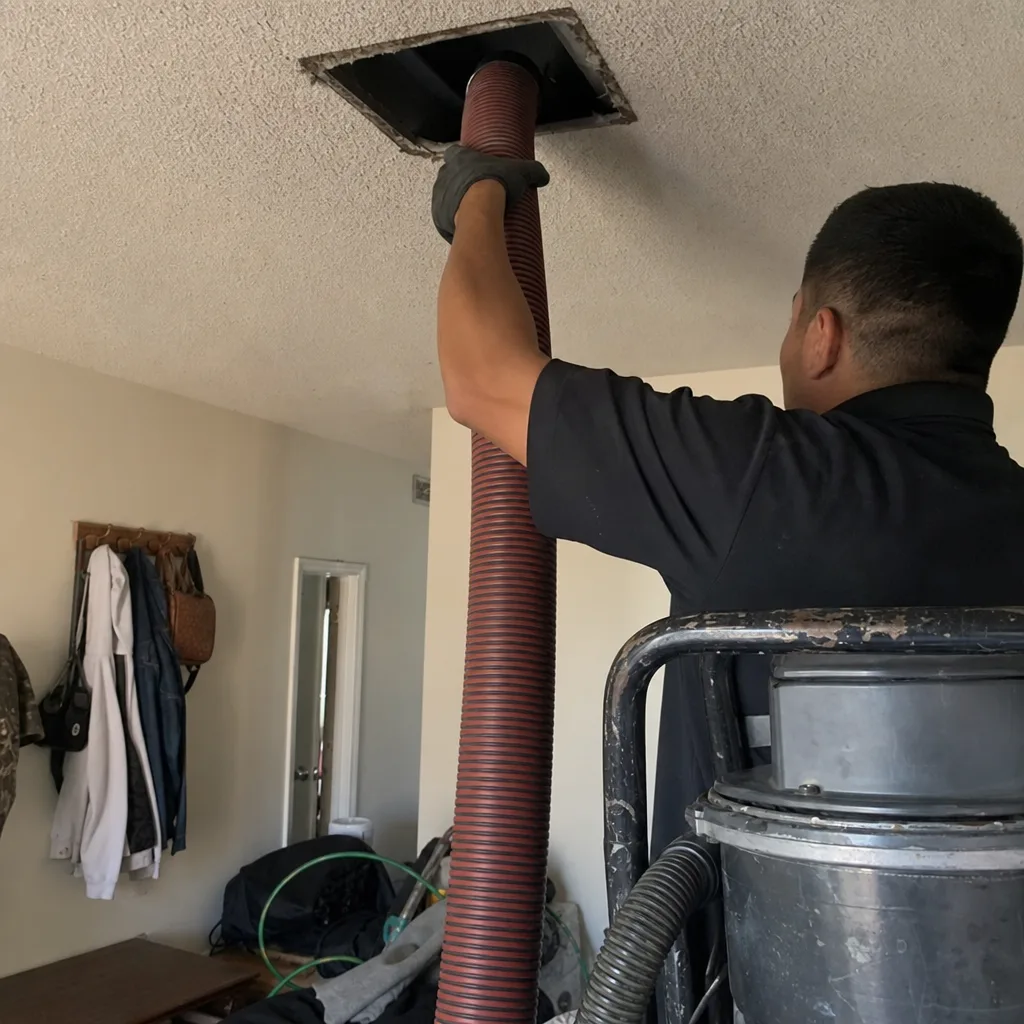 Before
 After
AfterAir Duct Cleaning Permits, Codes & Inspections in AZ: What You Need to Know
Here’s the counterintuitive fact that costs Gilbert homeowners at closing: air duct cleaning itself requires zero permits in Arizona, but the repairs that proper cleaning routinely reveals often do. In 2023, a homeowner in Gilbert’s Power Ranch neighborhood discovered that a previous contractor’s unpermitted flex duct replacement, done after a routine cleaning found disconnected runs, had never been recorded with Maricopa County. The buyer’s lender flagged it. The sale stalled for 11 days while the seller paid retroactive permit fees, a re-inspection, and a penalty. This guide maps exactly where the permit line sits, what Arizona law requires contractors to disclose, and how to protect your home’s inspection history even when no permit is technically required. For a deeper dive, see our The Complete Guide to Air Duct Cleaning in Gilbert.
Quick Answer
Air duct cleaning alone, defined as debris removal from existing ductwork without modification, does not require a permit anywhere in Arizona under the current Mechanical Code. However, any repair, replacement, or reconfiguration of ducts, including flex duct swaps, trunk line resealing that alters airflow design, or plenum modifications, triggers permit requirements under the 2021 IMC as adopted by Maricopa County and enforced by the Gilbert Building Safety Division. The critical distinction is maintenance versus alteration.
Table of Contents
- Maintenance vs. Alteration: Where the Permit Line Sits
- Arizona Mechanical Code: What Applies to Residential Ductwork
- Gilbert Building Safety Division Requirements
- When Mold Discovery Stops the Job: Arizona Remediation Laws
- How Permit History Appears on County Records
- Documentation That Protects You When No Permit Is Required
- Common Mistakes to Avoid
- When to Call a Professional
- Frequently Asked Questions
BeforeAfterMaintenance vs. Alteration: Where the Permit Line Sits
The Arizona Mechanical Code, which incorporates the 2021 International Mechanical Code (IMC) with state amendments, draws a bright line between maintenance and alteration. Understanding this distinction saves Gilbert homeowners from both unnecessary permit costs and costly unpermitted work.
Maintenance (no permit required):
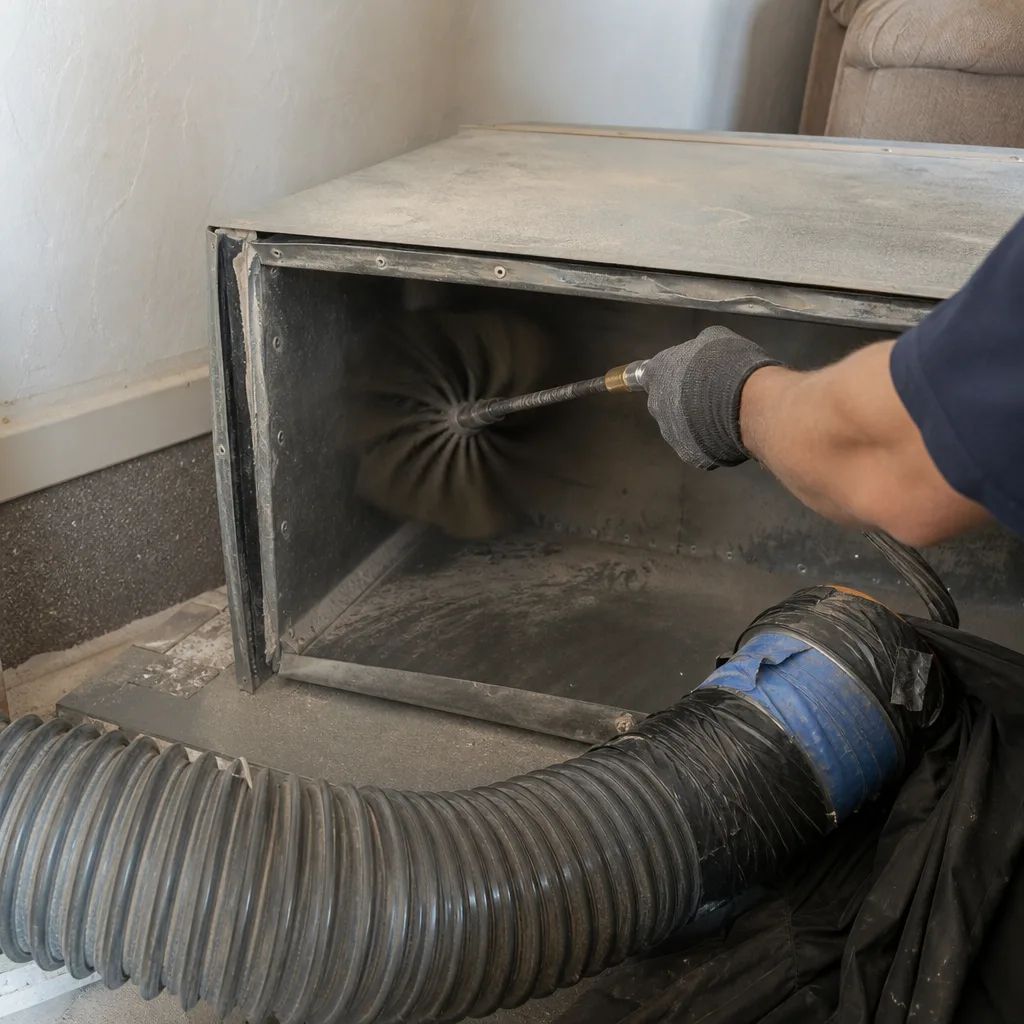
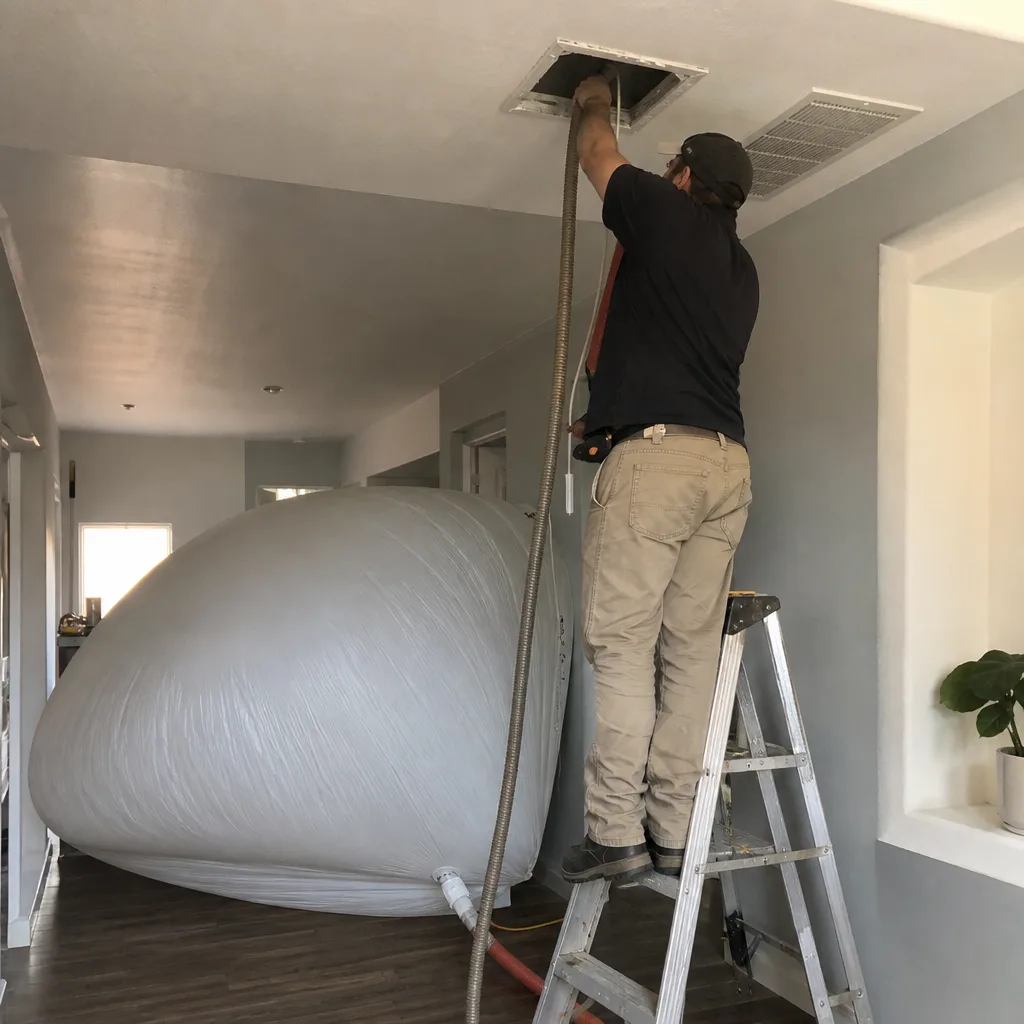
- Debris removal from existing duct runs using negative-pressure extraction or mechanical agitation
- Register and grille removal for access, provided original locations are restored
- Visual inspection with cameras or borescopes
- Application of EPA-registered sanitizers to existing surfaces, provided no physical modification occurs
- Filter replacement and basic blower compartment cleaning
Alteration (permit required):
- Replacement of any section of flex duct, metal duct, or duct board, regardless of length
- Resealing or reconnection of trunk lines where the original design is modified
- Plenum repair or replacement
- Addition, relocation, or removal of supply or return registers
- Installation of in-duct UV lights, electronic air cleaners, or whole-home humidifiers that require electrical or duct modification
- Any work that changes the original HVAC design capacity or airflow distribution
In our experience across Gilbert’s neighborhoods, from Agritopia to Seville, the most common trigger is flex duct replacement. A our Air Duct Cleaning services crew finds a collapsed or disconnected flex run, offers to replace it, and completes the work same-day. If that replacement wasn’t permitted and inspected, it doesn’t exist in your home’s official record.
The practical test we apply at CleanRun Air Duct Cleaning Gilbert home: if a tool cuts, fastens, or reconfigures the duct system beyond its original state, we stop and discuss permit requirements before proceeding. Haven Standard Clause 1, our written upfront pricing protocol, includes a scope review that flags potential permit triggers so the homeowner sees the full picture before any work starts.
Arizona Mechanical Code: What Applies to Residential Ductwork
Arizona operates under a modified version of the 2021 IMC, with state-specific amendments published by the Arizona Department of Housing. For residential ductwork in Maricopa County, several sections govern what contractors can and cannot do without permit oversight.
IMC Section 106.1 - Work exempt from permit: This section explicitly exempts “minor repairs” to heating and cooling systems. However, the Arizona amendment narrows this exemption: any ductwork modification affecting airflow design, materials, or capacity is not considered minor. The state interpretation, confirmed by Maricopa County Building Departments, holds that flex duct replacement constitutes material modification because it involves specification of insulation R-value, diameter, and length, all of which affect system performance.
IMC Section 603 - Duct construction and installation: When permit-triggering work occurs, this section mandates specific material standards, sealing requirements (mastic or tape rated for the application), and support intervals. Unpermitted work rarely receives the inspection that verifies compliance, meaning the homeowner has no third-party confirmation that these standards were met.
IMC Section 309 - Condensation control: In Gilbert’s climate, where summer attic temperatures exceed 140°F and winter nights occasionally drop below freezing, proper duct insulation is not optional. The code specifies minimum R-values for ductwork in unconditioned spaces. Unpermitted replacements in older Gilbert homes, particularly those built during the 2003-2007 construction boom, often install R-4 flex where R-6 or R-8 is now required for new work.
ARS Title 32, Chapter 10 - Contractor licensing: Arizona law requires anyone performing work that triggers a permit to hold the appropriate license. For residential HVAC and ductwork, this means a Residential (R-39) or Commercial (C-39) Air Conditioning and Refrigeration license, or in some cases a Dual (CR-39) license. A duct cleaning company without this license cannot legally perform permit-required work, even if they possess the technical skill.
The enforcement gap: many duct cleaning operations employ technicians who are competent cleaners but unlicensed for mechanical alteration. When they encounter a repair need, they face a choice: refer the job (and lose revenue) or perform the work illegally. The homeowner rarely knows to ask for license verification specific to the scope.
Gilbert Building Safety Division Requirements
Gilbert’s Building Safety Division enforces the Maricopa County amendments to the 2021 IMC with specific local procedures that differ from neighboring municipalities. Homeowners in Gilbert need to understand these specifics, not generic Arizona guidance.
Permit application process for residential ductwork:
- Licensed contractor submission: Permits must be pulled by a contractor licensed in the appropriate classification. Homeowner permits are permitted for work on owner-occupied single-family residences, but the applicant must demonstrate competency and assume full liability for code compliance.
- Plan review threshold: Simple flex duct replacement on a one-for-one basis typically qualifies for over-the-counter permit issuance without detailed plans. Any redesign, capacity change, or modification to the return air path triggers plan review, adding 3-5 business days.
- Inspection scheduling: Gilbert uses an online inspection request system with next-business-day availability for mechanical inspections in most cases. The inspector verifies material specifications, support methods, and sealing compliance.
- Final approval and recordation: Upon passing inspection, the permit is closed and the work is recorded in Maricopa County’s public records system, accessible through the Assessor’s parcel search.
What changed with the 2021 IMC adoption:
Gilbert adopted the 2021 IMC with Maricopa County in January 2023, replacing the 2012 version. For ductwork, the significant changes include:
- Tighter leakage testing requirements for new duct systems and substantial alterations, now requiring verification by duct blaster test in many cases
- Updated reference standards for flexible duct connectors, requiring specific labeling and installation methods
- Clarified definitions that place more repair scenarios in the “alteration” category, particularly where energy code compliance is affected
In Gilbert’s 85234 and 85296 ZIP codes, where much of the housing stock dates to the early 2000s, we’ve observed that original flex duct is reaching end of service life simultaneously. This creates clusters of permit activity that the Building Safety Division has staffed for, but homeowners should expect 2-3 week total timelines for permitted repairs during peak seasons.
The Gilbert-specific cost reality: permit fees for residential mechanical work run approximately $85-$150 for simple duct replacement, plus the contractor’s time for application and inspection attendance. This is not a prohibitive cost. The hidden cost is in unpermitted work discovered later, when retroactive permitting requires opening walls or ceilings to verify concealed work, or when sale negotiations stall.
When Mold Discovery Stops the Job: Arizona Remediation Laws
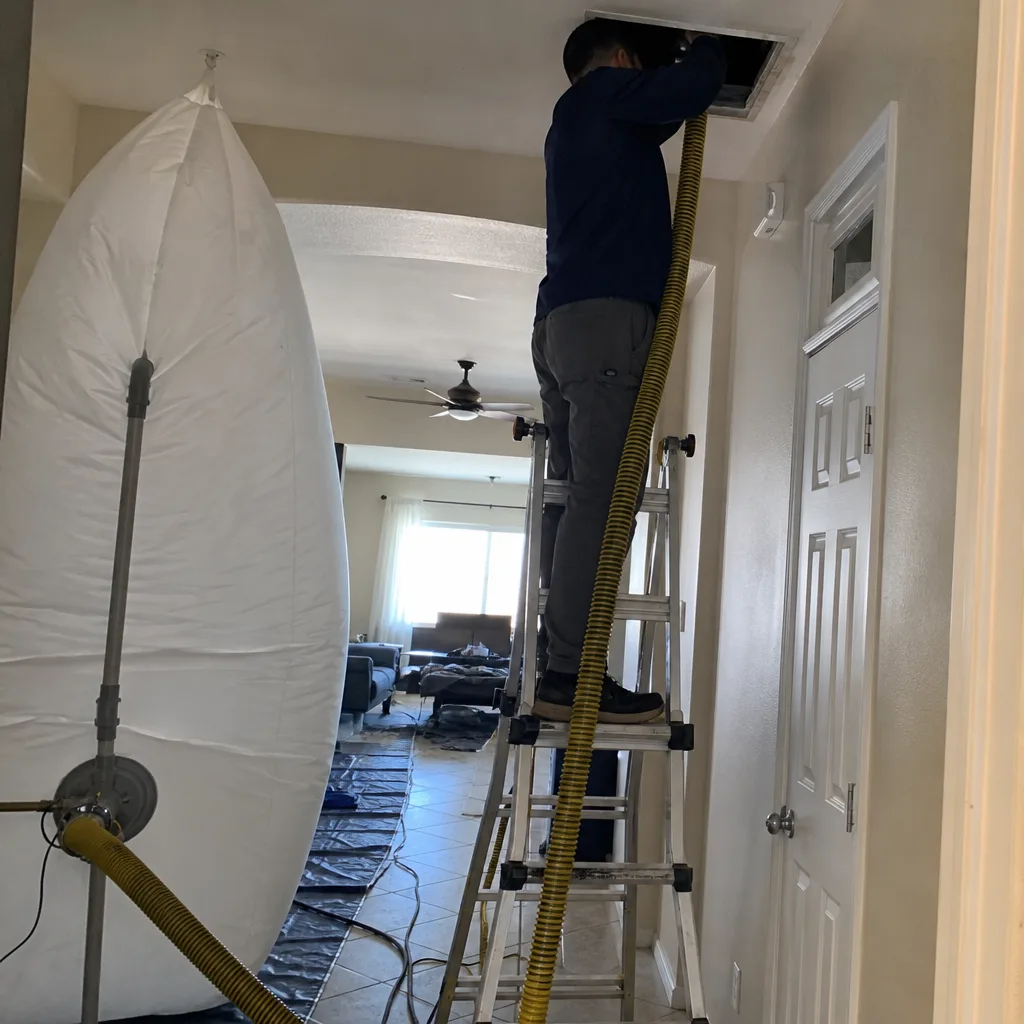
This is where Arizona’s regulatory framework surprises many homeowners. A duct cleaning technician who finds visible mold growth inside ductwork-one of the key Air Duct Cleaning Warning Signs: A Gilbert Homeowner’s Reference Guide-is not automatically authorized to remove it. The state draws sharp lines between cleaning, remediation, and assessment, with licensing requirements that many contractors either don’t know or don’t disclose.
Arizona’s mold regulatory structure:
Unlike some states, Arizona does not have a standalone mold remediation statute. Instead, mold-related services fall under several regulatory categories:
- Assessment: Identifying and documenting mold conditions. No specific state license required, but assessors who represent findings as health-related may trigger Arizona Department of Health Services oversight.
- Remediation: Physical removal or treatment of mold-contaminated materials. When this involves HVAC systems, the work typically requires a contractor’s license in the appropriate classification (R-39/C-39/CR-39 for ductwork) plus adherence to OSHA and EPA guidelines.
- Post-remediation verification: Clearance testing to confirm effective remediation. This is not legally mandated in Arizona but is standard practice for reputable operators and often required by insurers.
The stop-work trigger:
At CleanRun, our protocol under Haven Standard Clause 4 (Documented Findings) requires technicians to photograph any suspected mold, cease cleaning operations in affected runs, and present findings to the homeowner with a clear recommendation for licensed remediation assessment. We do not proceed with cleaning that could aerosolize spores without proper containment, even when the homeowner prefers to continue.
This isn’t overcaution. In Gilbert’s monsoon season, typically July through September, humidity spikes combined with air conditioning create condensation conditions in attic ductwork that favor mold growth. We’ve documented Aspergillus and Cladosporium species in homes near the Santan Mountains where attic ventilation was compromised by builder-grade installations. Cleaning these systems without containment spreads spores throughout the living space.
What to ask if mold is found:
- Is the technician licensed for mold remediation, or are they referring to a licensed remediation contractor?
- Will the work follow EPA Mold Remediation in Schools and Commercial Buildings guidelines, adapted for residential HVAC?
- Is post-remediation verification testing included, and who performs it (independent third-party preferred)?
- Will the remediation scope be documented in writing with before/after photos, similar to a cleaning record?
The equipment distinction matters here. Our Rotobrush systems and Nikro negative-air machines are designed for particulate removal, not mold remediation. For jobs requiring remediation, we refer to Arizona-licensed remediation contractors and document the handoff in the customer’s job record.
How Permit History Appears on County Records
Maricopa County maintains a unified permit database accessible through the Assessor’s parcel search and, with more detail, through individual municipal building department portals. Understanding what appears, what doesn’t, and why it matters protects homeowners from future transaction complications.
What the record shows:
Each permitted project receives a unique permit number, tied to the property’s Assessor’s Parcel Number (APN). The public record includes:
- Permit type and description (e.g., “Mechanical – Residential – Ductwork Replacement”)
- Contractor name and license number
- Permit issue date, inspection dates, and final status
- Valuation declared for fee calculation
What the record does NOT show:
- Cleaning-only services, which require no permit
- Unpermitted work, by definition
- Work performed by homeowners on their own residences without permit (though this creates liability exposure, it doesn’t appear in the record unless discovered)
The resale problem:
Arizona Revised Statutes Section 32-1122 requires sellers to disclose known defects and material facts affecting property value. Unpermitted mechanical work, once known, must be disclosed. More critically, many purchase contracts and lender requirements now include specific permit verification clauses for mechanical systems, particularly in homes sold within 10 years of significant work.
In Gilbert’s competitive resale market, where homes in neighborhoods like Morrison Ranch and Finley Farms often attract multiple offers, a clean permit history is a transaction lubricant. Conversely, permit gaps create due diligence delays. We’ve spoken with homeowners who accepted lower offers to avoid the uncertainty of buyer-perceived risk from unpermitted work, even when the work itself was technically sound.
The title issue angle:
While unpermitted work rarely creates a direct title defect, it can trigger title insurance exceptions or lender requirements for remediation before funding. In extreme cases, particularly where unpermitted work is discovered to violate HOA architectural guidelines (common in Gilbert’s master-planned communities), the homeowner may face dual compliance obligations.
The documentation we provide at Air Duct Cleaning in Gilbert serves a parallel purpose: even when no permit is required, our written scope and photo record create a paper trail of professional service that supports the homeowner’s disclosure obligations and demonstrates due diligence.
Documentation That Protects You When No Permit Is Required
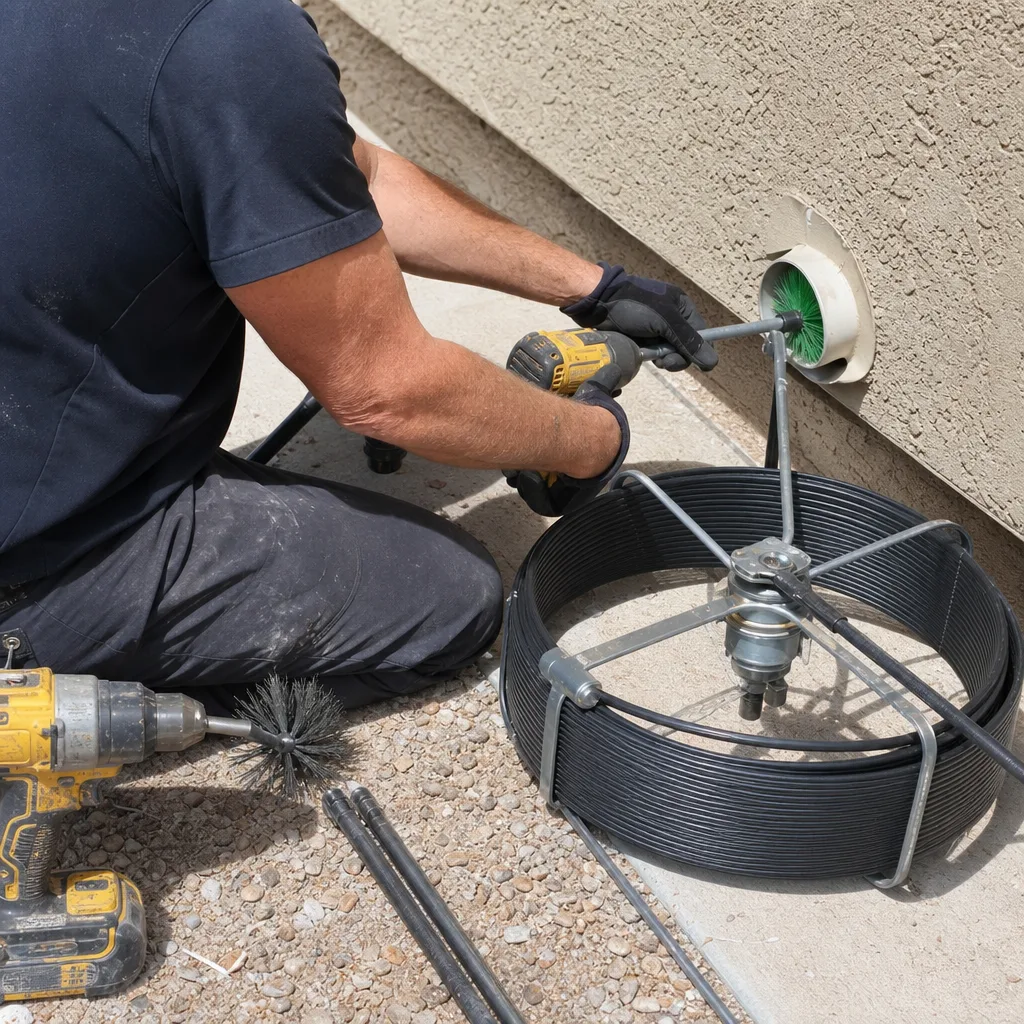
Since air duct cleaning itself requires no permit, the homeowner’s protection depends entirely on what the contractor documents. This is where industry practice varies dramatically, and where CleanRun’s Haven Standard protocols were designed to fill the gap.
The quasi-inspection record concept:
A thorough duct cleaning, properly documented, functions as a non-code inspection that establishes baseline conditions, identifies developing problems, and creates evidence of professional attention. For homeowners, this record serves several purposes:
- Supporting warranty claims with HVAC manufacturers who require maintenance documentation
- Establishing pre-existing conditions for insurance purposes
- Demonstrating due diligence in property maintenance for resale disclosure
- Providing comparative baseline for future cleaning or repair decisions
What comprehensive documentation includes:
- Written scope of work: Specific registers accessed, equipment used, cleaning methods applied, and any anomalies encountered. Not “cleaned all ducts” but “accessed 12 supply registers and 2 return registers; applied negative-pressure extraction with Rotobrush mechanical agitation; removed 2.3 lbs of debris per photo record.”
- Before/after photographic record: Interior of every duct run, time-stamped, with register location identified. This is the core of CleanRun’s Documented Photo Record, included on every visit since 2013.
- Equipment and material specification: What was used, so the homeowner can verify independently. Our standard documentation names equipment manufacturers such as Abatement Technologies and Guardsman when their products are deployed.
- Technician identification: Name and certification of the technician performing work, under Haven Standard Clause 3: Verified Crews.
- Written warranty or guarantee: Our 365-Day Done Right Promise, documented in writing on every job, not merely referenced in marketing materials.
- Recommendations for future action: Any conditions observed that may require attention, with clear distinction between immediate needs and monitoring items.
For Gilbert homeowners specifically, this documentation gains value from local context. A photo showing debris accumulation patterns can indicate issues with Gilbert’s hard water’s effect on humidifier components, or with dust intrusion from the desert environment during our dry spring months. Our technicians note these patterns because they’ve observed them across thousands of local homes.
The Free Second Opinion we offer on any written estimate extends this documentation ethic: bring a competitor’s quote, and we’ll put our own scope and pricing in writing alongside it, so you can compare not just dollars but what those dollars actually purchase.
Common Mistakes to Avoid
- Assuming all ductwork services are maintenance. In Gilbert, we’ve seen homeowners pay for “cleaning” that included unpermitted flex duct replacement, never knowing the work required a permit until resale. Always ask whether any physical modification is included in the scope.
- Accepting verbal scope descriptions. Without written documentation, you have no record of what was or wasn’t done. This matters for warranty claims, insurance, and resale. Haven Standard Clause 1 exists because verbal pricing and scope create disputes.
- Hiring based on lowest price without license verification. Arizona’s Registrar of Contractors maintains an online license lookup. For any work beyond cleaning, verify the contractor’s license classification covers the scope. A residential cleaning business license is not an HVAC contractor license.
- Ignoring monsoon-season moisture findings. Gilbert’s summer humidity spikes create temporary conditions that resolve, but they also reveal chronic problems. A technician who finds moisture in attic ductwork during July should document it, even if it appears dry in October.
- Failing to request photo evidence. In an industry where work is literally invisible, photos are the only proof. Any contractor unwilling to provide before/after images from your specific home, not stock photos, is asking for trust without verification.
- Not checking permit status for prior owner work. When purchasing a Gilbert home, especially those built 2000-2010 with original flex duct, request a permit history review. Unpermitted modifications are common and create future liability.
- Allowing mold cleaning without containment protocol. This is both a health risk and a regulatory concern. If a technician proposes to “treat” mold inside ducts without isolating the work area and establishing negative pressure, they are not following recognized standards.
When to Call a Professional
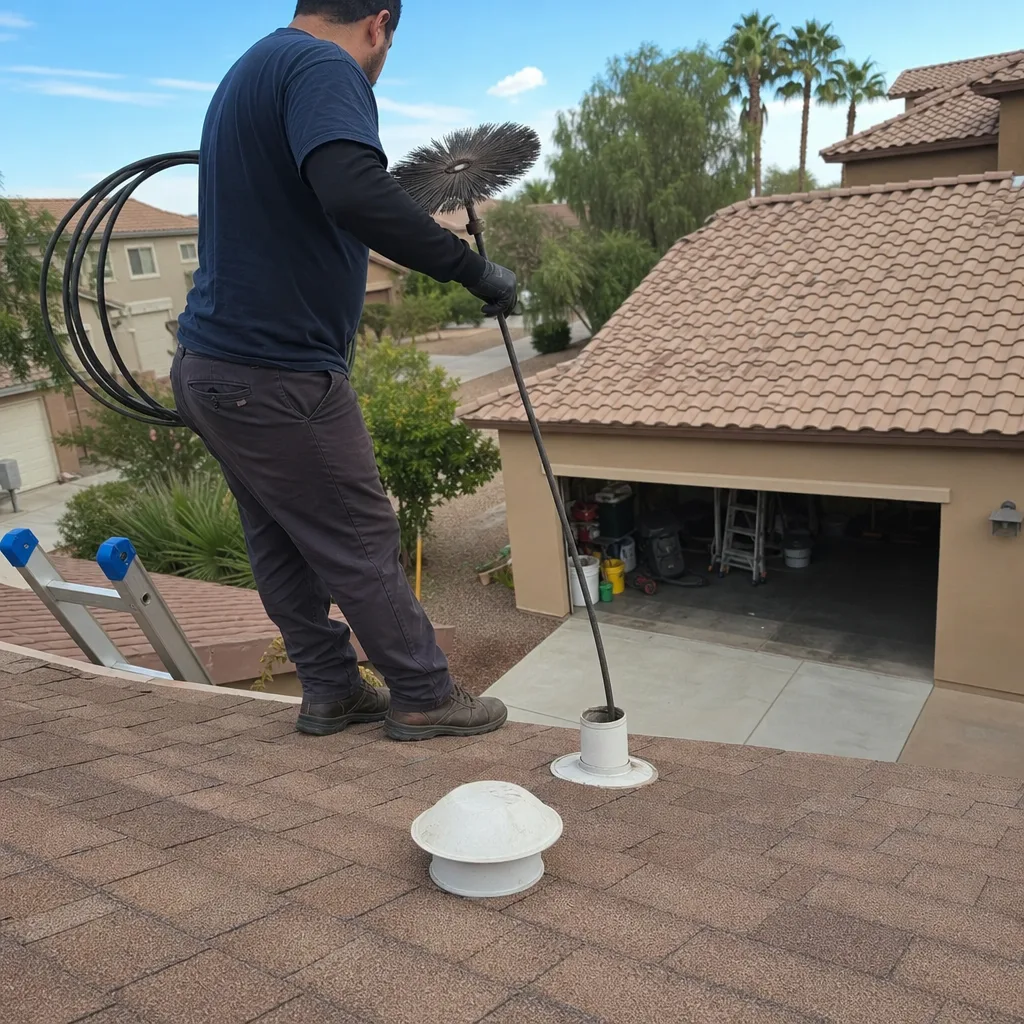
Call a licensed professional when your duct cleaning scope may cross into permit-required territory, when mold is suspected or confirmed, when you’re purchasing a home with undocumented prior work, or when you simply need documentation that protects your investment. HVAC Cleaning in Gilbert and related services should always be performed by operators who can articulate exactly where their work sits relative to permit requirements.
CleanRun Air Duct Cleaning Gilbert offers free estimates in Gilbert - call (520) 666-7643. Every estimate includes a written scope and price before any work begins, and every completed job includes our Documented Photo Record. If you’re uncertain whether your situation requires permitted work, we’ll review it transparently and direct you appropriately, even when that means referring work we cannot legally perform.
Frequently Asked Questions
No. Cleaning existing ductwork to remove debris, without modifying, replacing, or reconfiguring any component, is classified as maintenance under the 2021 IMC as adopted in Maricopa County and requires no permit in Gilbert or anywhere in Arizona. If your contractor proposes any physical modification during the cleaning visit, that portion of work may trigger permit requirements.
The permit itself adds $85-$150 in Gilbert, plus the contractor’s time for application and inspection. The real cost difference appears at resale: unpermitted work may require retroactive permitting with wall/ceiling opening, re-inspection fees, and transaction delays. We quote permitted repair work with all costs included in our written upfront price, so homeowners see the full picture before deciding.
Only if they hold the appropriate Arizona contractor’s license (R-39, C-39, or CR-39) and pull the required permit. Many duct cleaning companies lack this licensing. If they perform the work without either credential, both the contractor and the homeowner are in violation. Always verify license classification through the Arizona Registrar of Contractors before authorizing duct replacement.
Work should stop in affected areas, and the homeowner should be notified with photographic documentation. The cleaning company should either hold appropriate remediation credentials or refer to a licensed remediation contractor. Continuing to clean without containment risks spreading spores. At CleanRun, we document the finding, explain the options, and refer to qualified remediation specialists when needed.
Search Maricopa County Assessor records by your parcel number, then cross-reference with the Gilbert Building Safety Division permit portal. Look for mechanical permits with descriptions including “duct,” “HVAC,” or “mechanical.” Gaps in permit history for known work are red flags. We offer to review permit history with homeowners during our estimate visits, at no charge, as part of our scope assessment.
Possibly. Arizona law requires disclosure of known material defects, and many purchase agreements now include permit verification for mechanical systems. In Gilbert’s master-planned communities with active HOAs, architectural compliance adds another layer. Unpermitted work doesn’t automatically kill a sale, but it creates uncertainty that buyers price into their offers or lenders address with repair requirements.
Keep the written scope of work, any before/after photos, equipment specifications, technician identification, and warranty documentation. This record supports HVAC manufacturer warranty requirements, insurance claims, and resale disclosure. Our Documented Photo Record, included on every CleanRun job since 2013, is designed specifically for this purpose.
We stop, explain the requirement, and provide options. If we hold the appropriate license for the scope, we quote the permitted work with all fees included in our written upfront price. If the scope exceeds our licensing, we refer to qualified contractors and document the handoff. Haven Standard Clause 1 requires written pricing before work starts; this applies equally to cleaning and to any permitted repair we undertake.
The Bottom Line
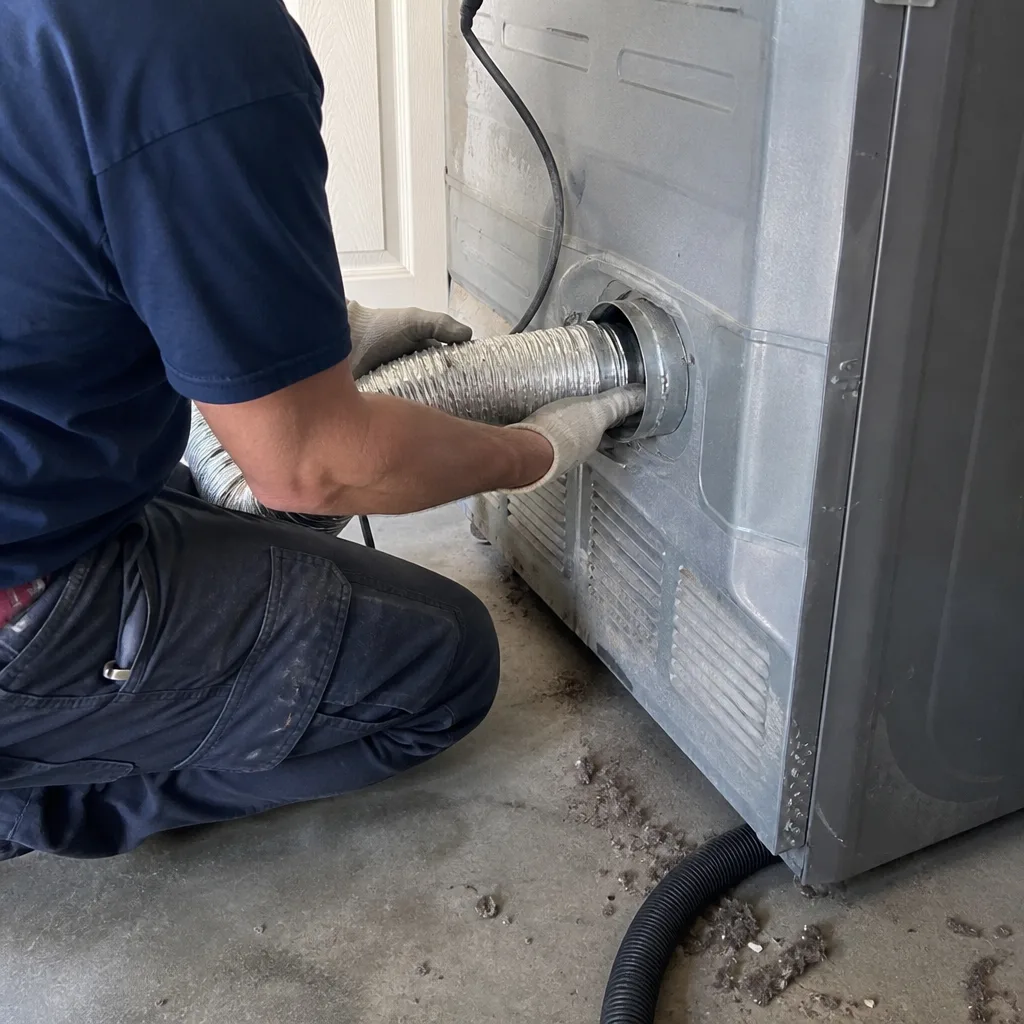
Air duct cleaning in Arizona lives in a regulatory gray zone that benefits informed homeowners and costs the uninformed. The cleaning itself is straightforward and permit-free. The repairs it reveals are not. In Gilbert’s market, where home values and transaction scrutiny are both high, understanding this distinction protects both your indoor air quality and your property’s marketability. Document everything, verify licenses for anything beyond debris removal, and never let convenience override the permit history your future buyer will examine. Explore more guides & resources on our blog.
Written by Tomas Reyes, Owner at CleanRun Air Duct Cleaning Gilbert, serving Gilbert since 2013.